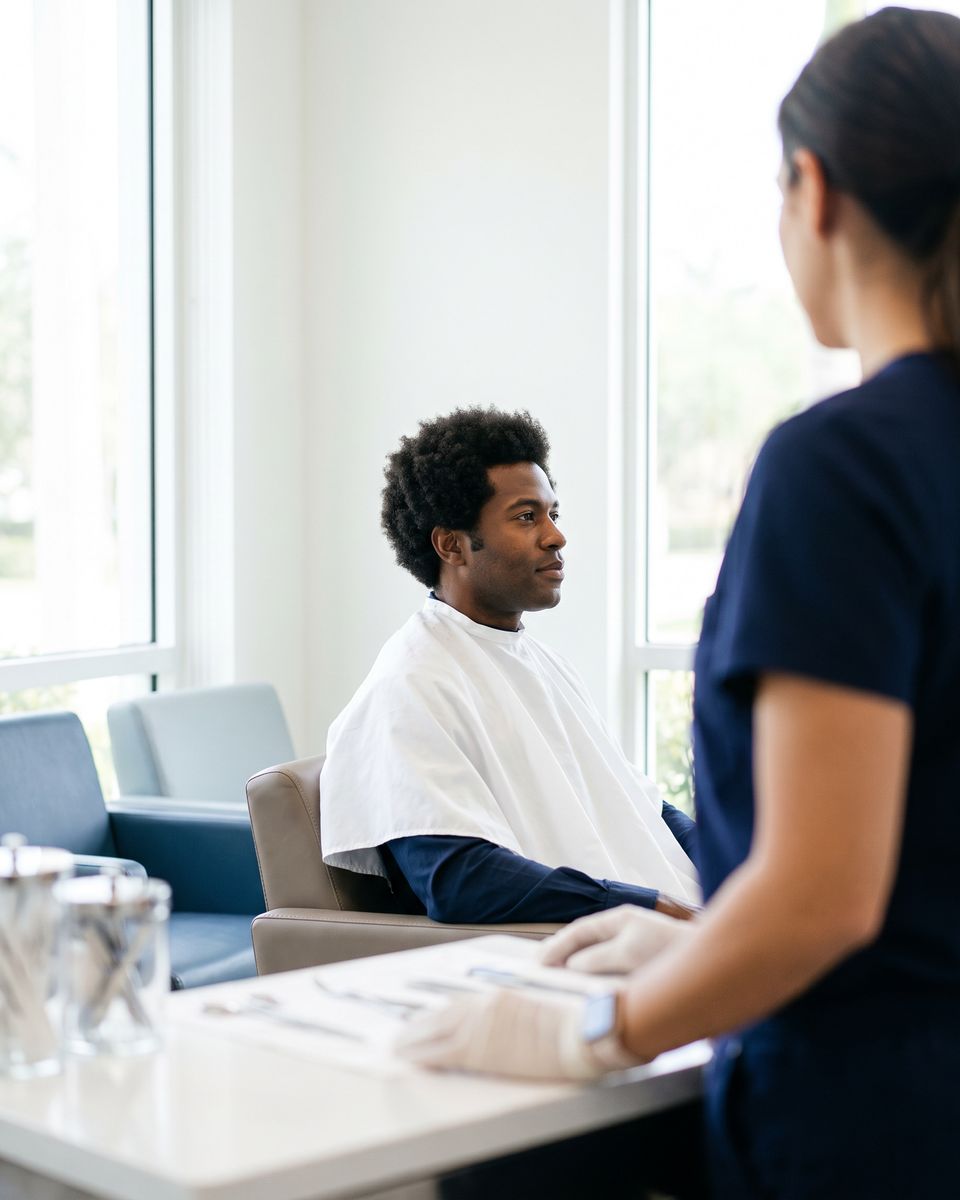
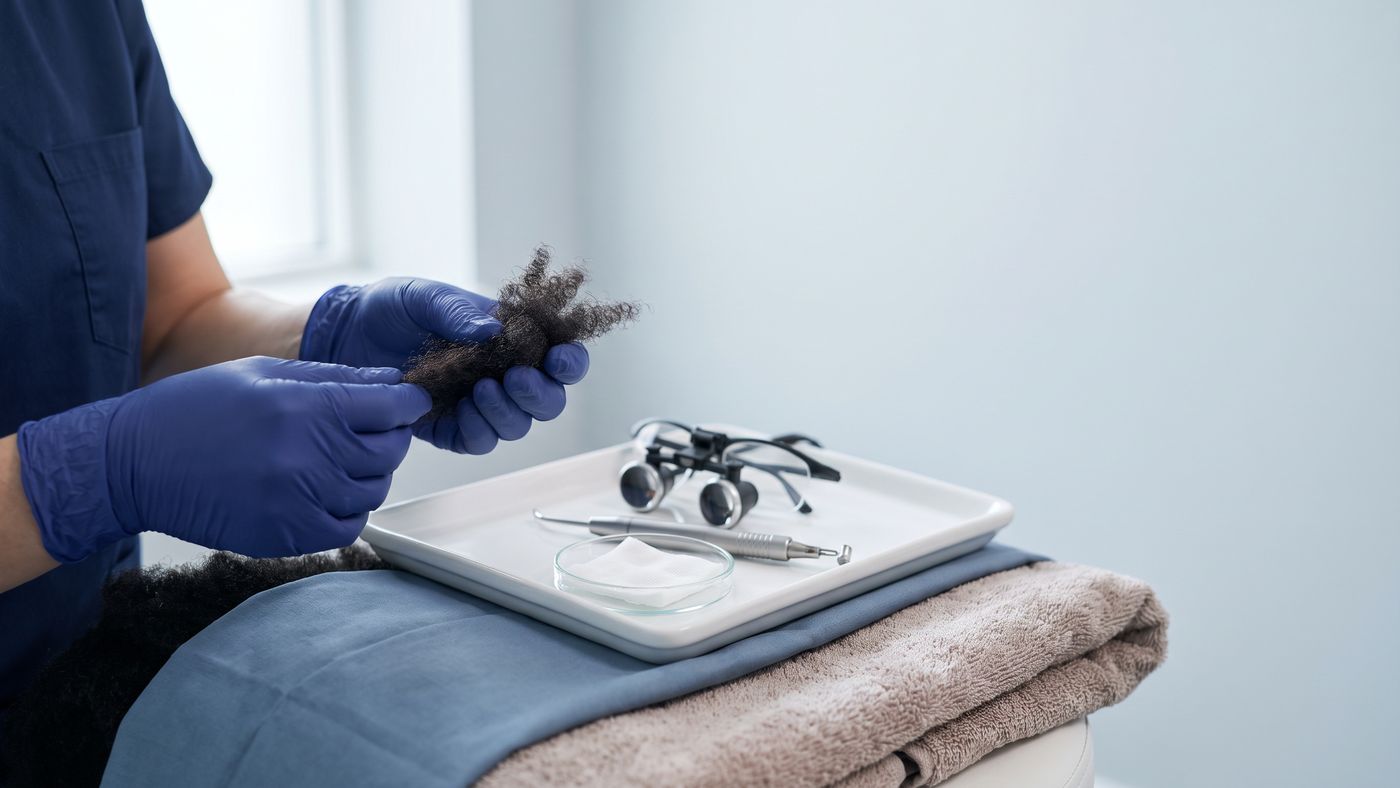
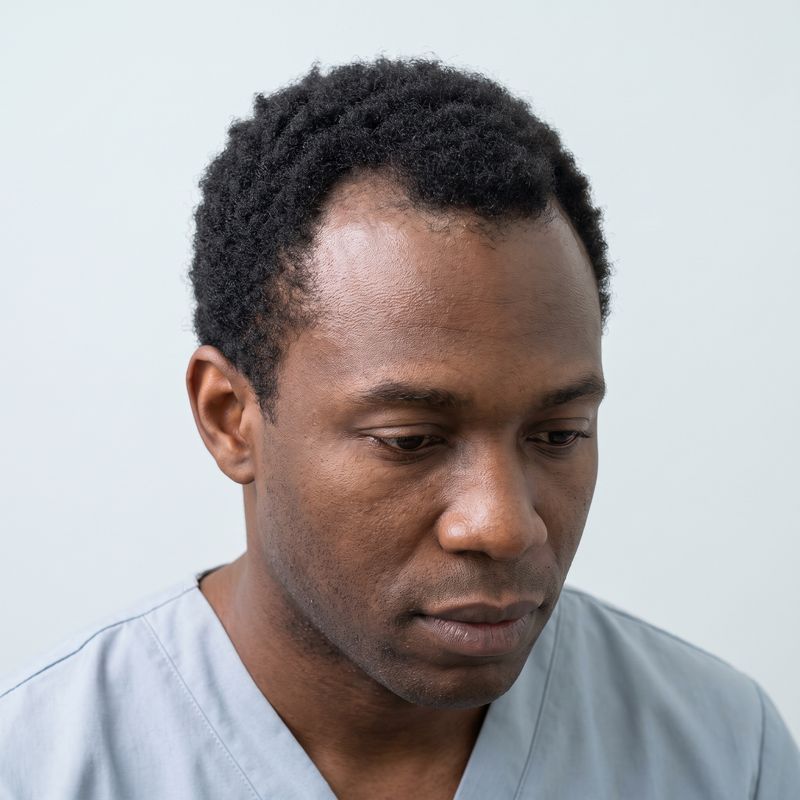
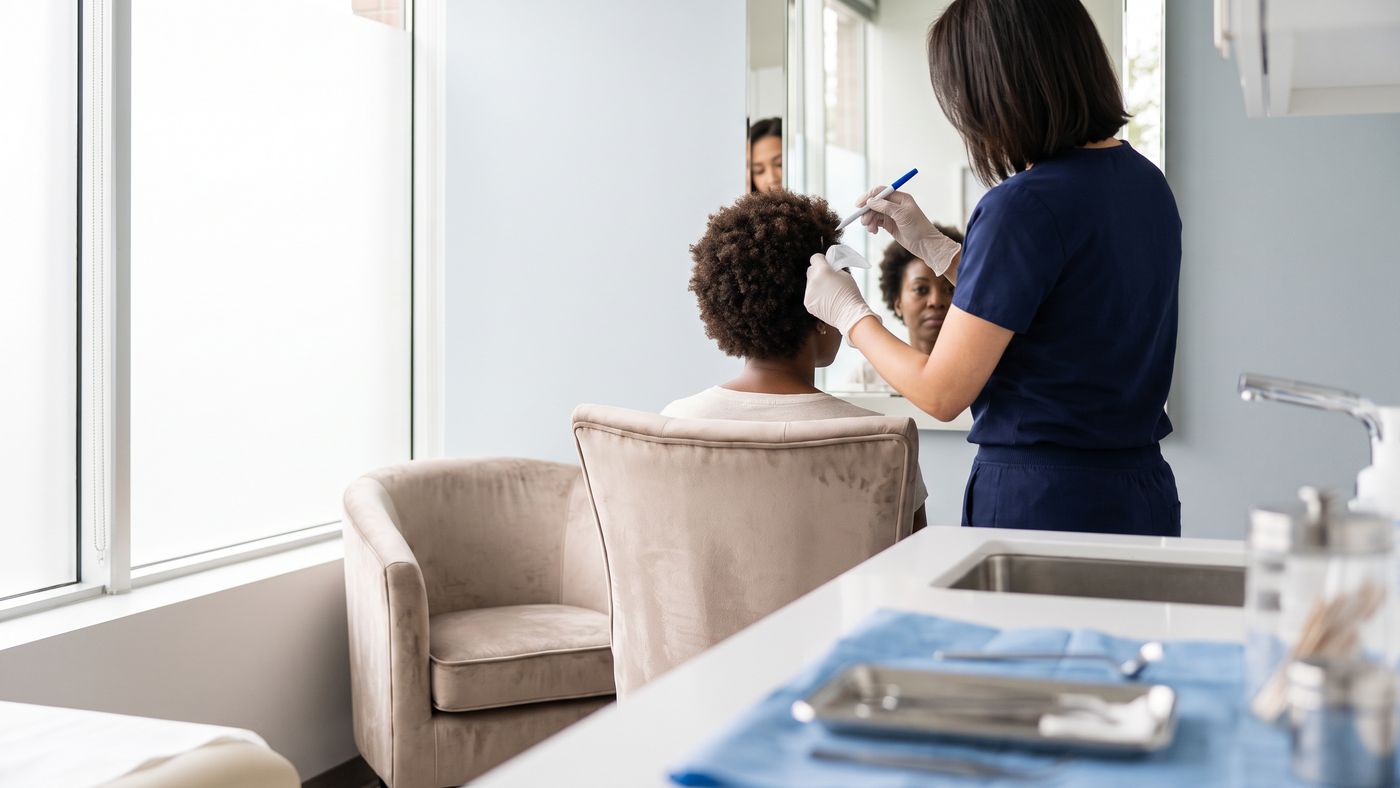
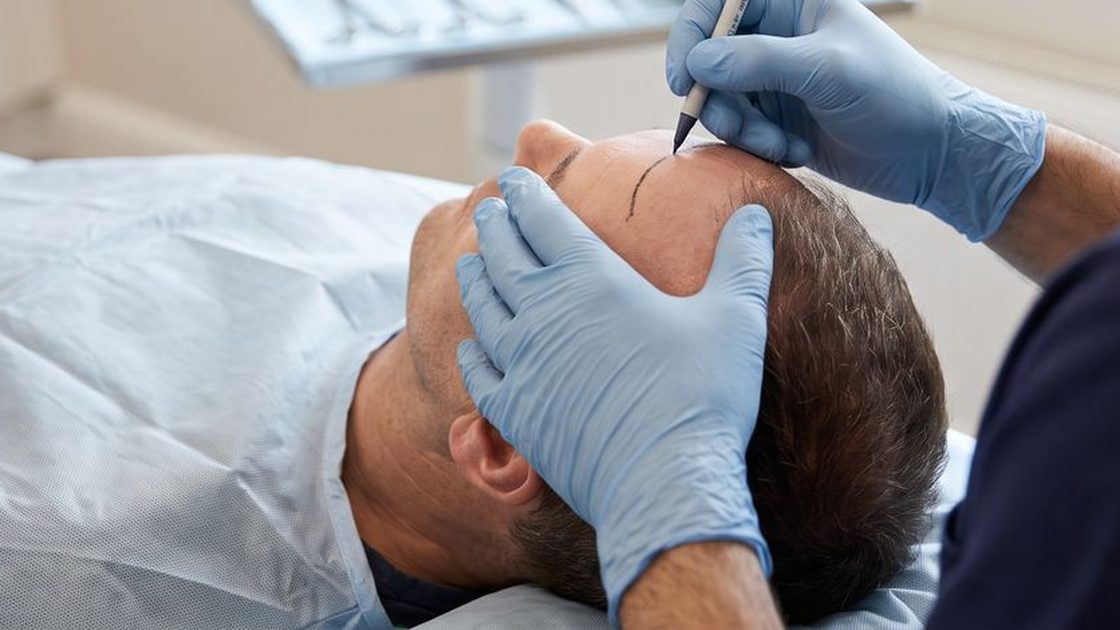
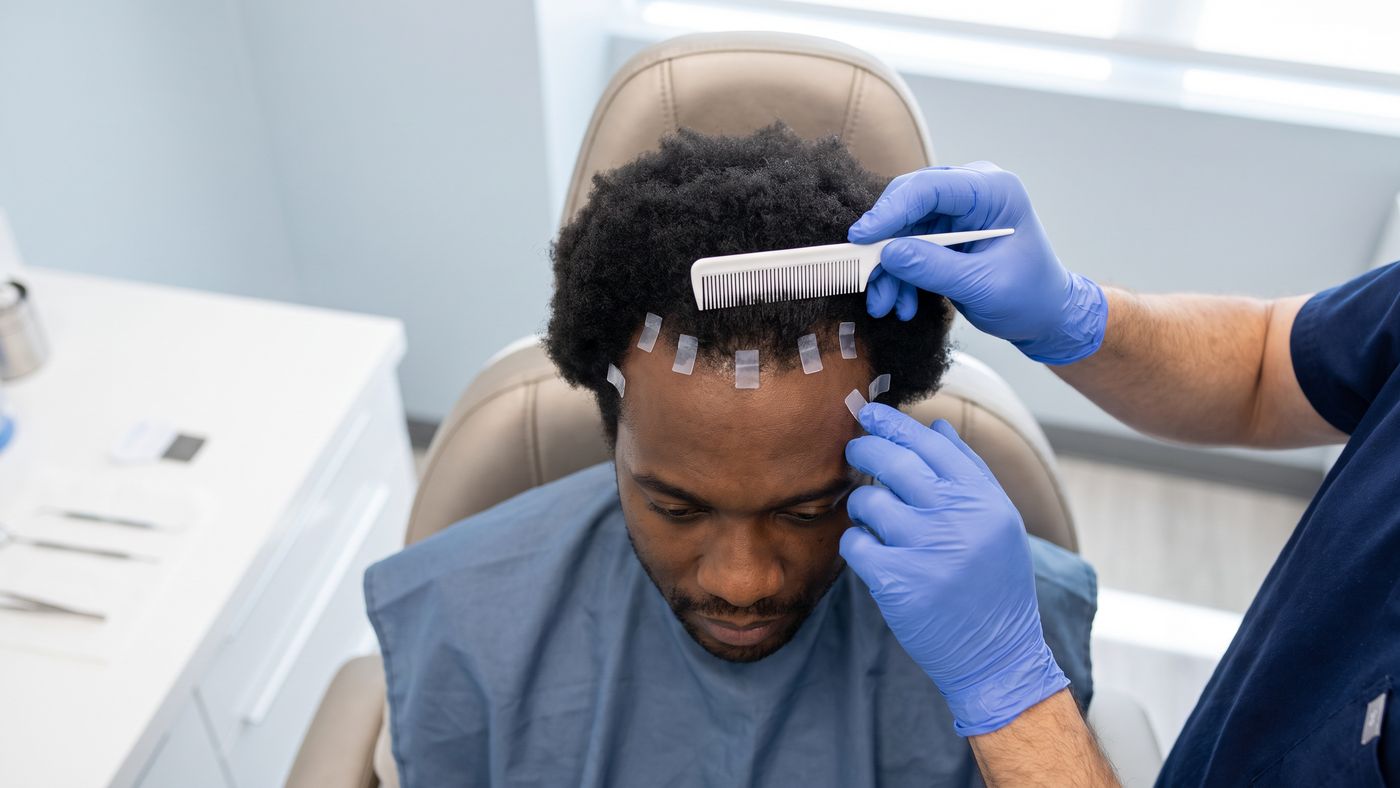
An afro hair transplant is a hair transplant planned for tightly curled, afro-textured hair, whose follicles curve beneath the skin. Those curved follicles need a different approach — our specialist technique protects every curl for high graft survival and natural texture.
An afro hair transplant requires a specialist approach. Afro-textured hair grows from curved follicles beneath the skin, so extraction tools and angles must be adapted to avoid cutting the follicle. Done right, an afro hair transplant delivers high graft survival and natural texture.
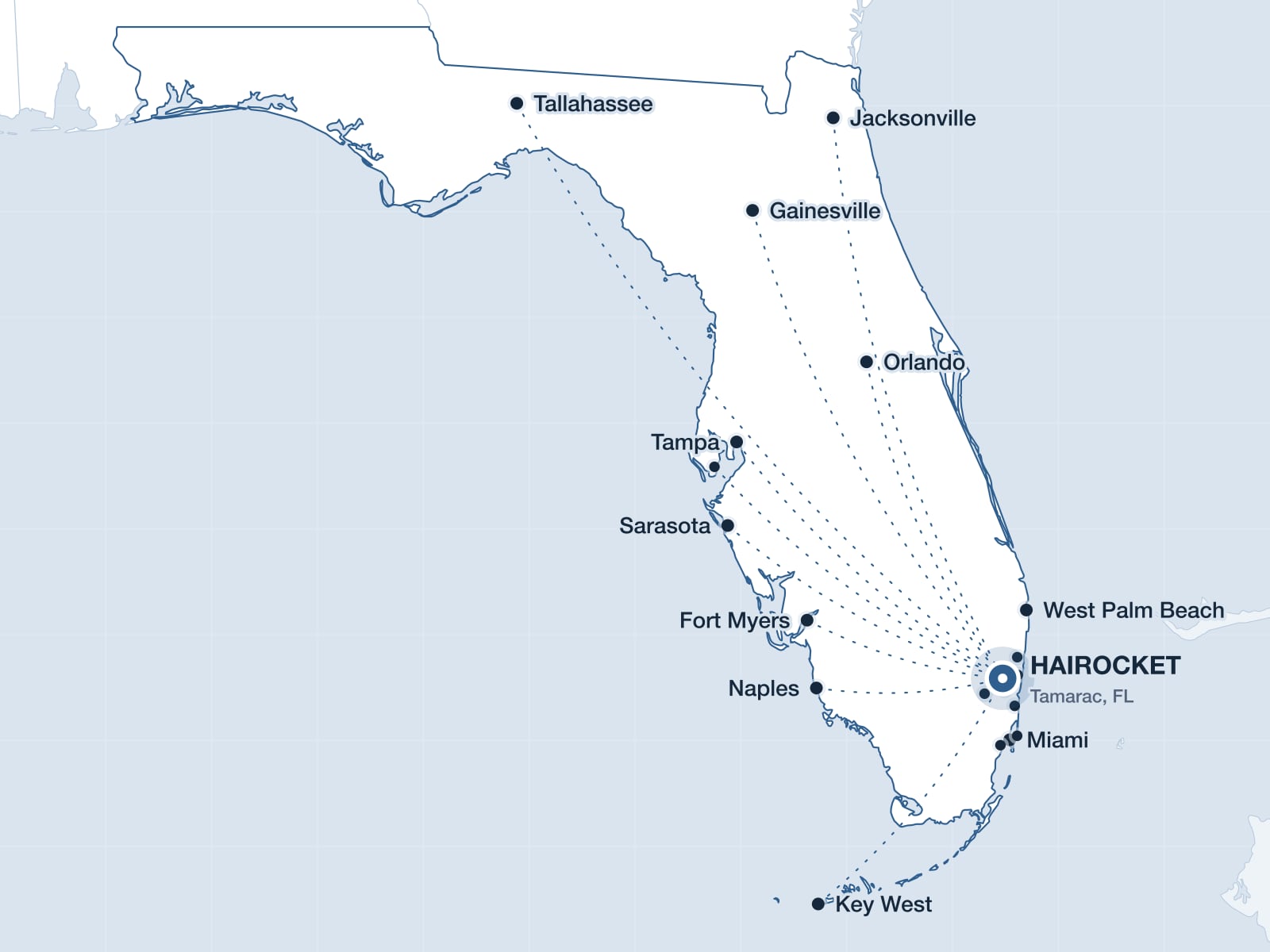
HAIROCKET's Turkish-trained, Florida-licensed surgeons have extensive experience with curly and afro-textured hair. In South Florida, they perform afro hair transplants with curl-aware techniques and follow-up close to home.
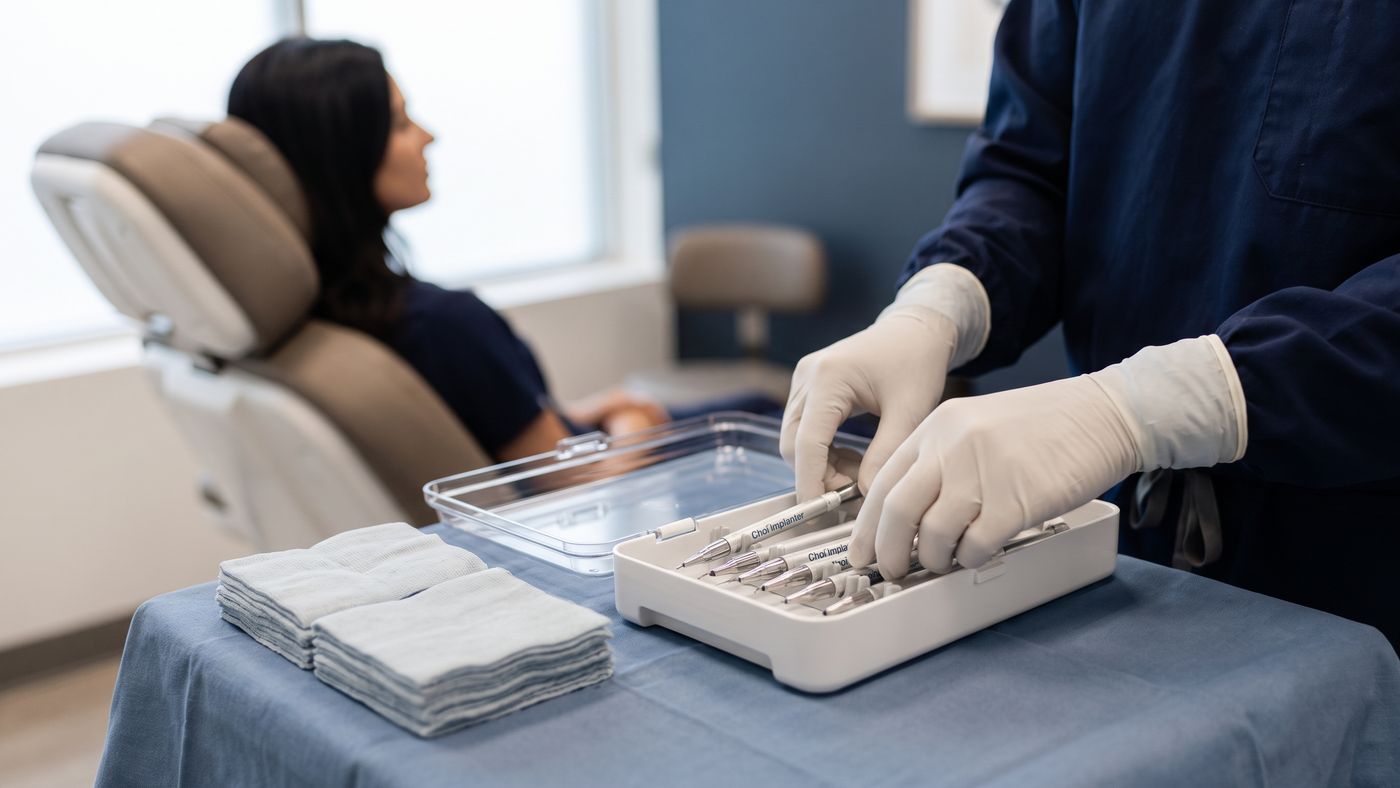
afro-hair-transplant-overview.jpg · 16:9
Afro-Textured Hair: an overview of how the procedure works.
Micro-preciseSub-millimeter instruments at your native hair angle.
Natural densityTighter placement for a fuller, even look.
Faster healingLess redness and crusting in week one.
Technique
Afro-Textured Hair
Duration
7–9 hours
Anesthesia
Needle-free local
Hospital stay
Same-day home
Back to work
3–5 days
Graft survival
90%+
Typical plan
1,500–3,500
Final result
12 months
Turkish expertise · now in America
Afro-Textured Hair: the Turkish technique, performed in South Florida
Turkey's clinics treat patients from Africa, the Middle East and the Americas, giving Turkish-trained surgeons unusual exposure to curly and afro-textured hair. Our surgeons use that experience to plan extraction and implantation for curved follicles — now in America, under Florida licensure.
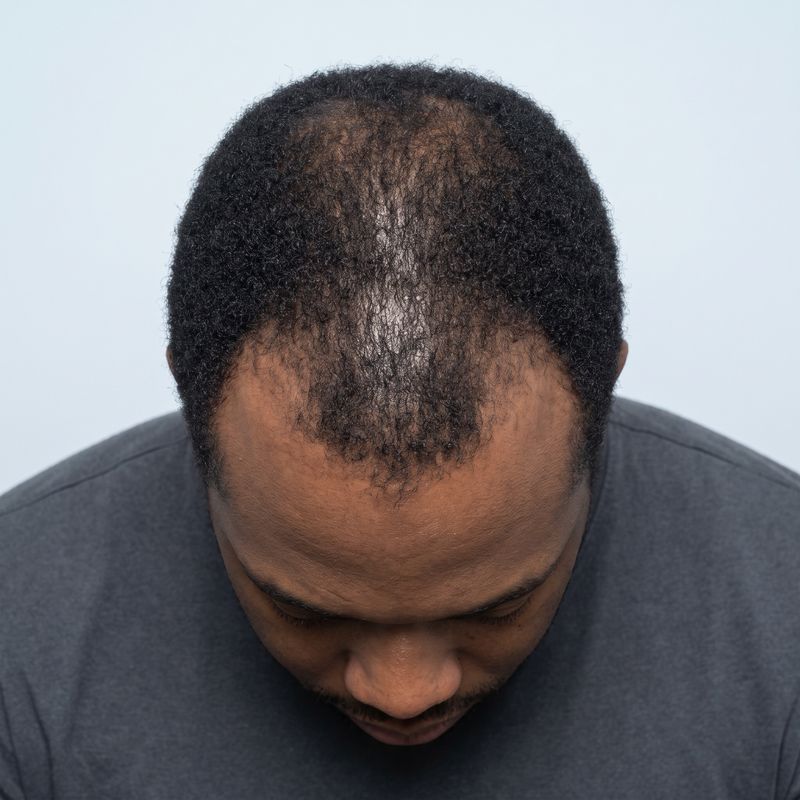
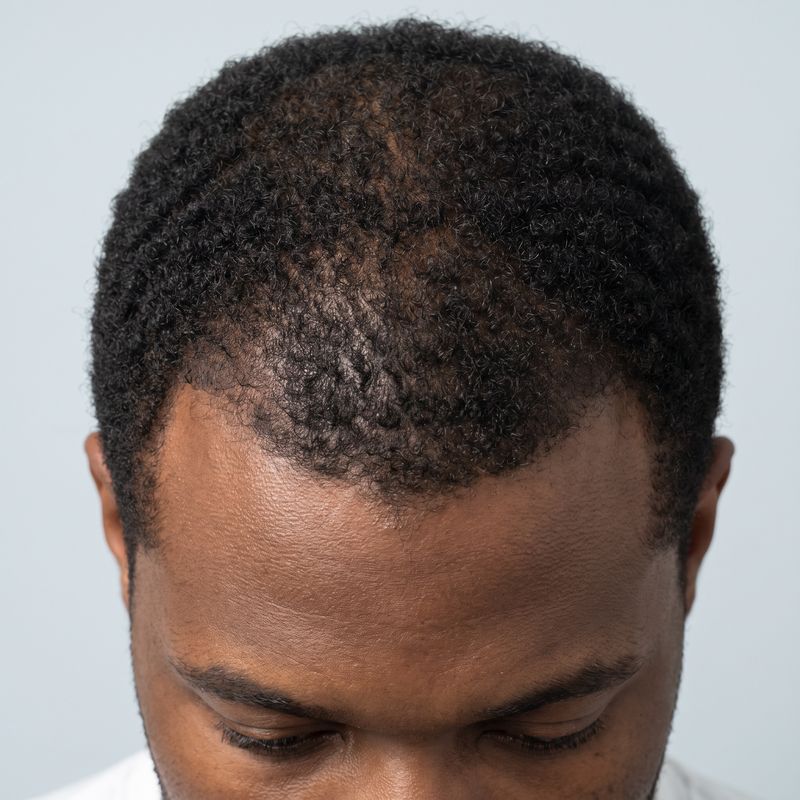
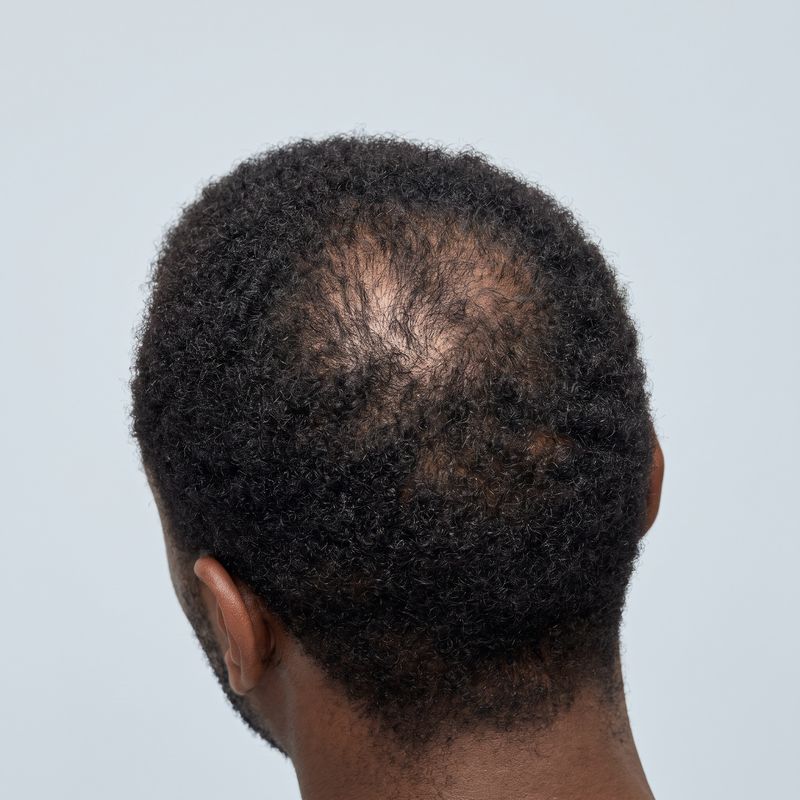
Consented results only. We publish before-and-after photos only of HAIROCKET patients who give written consent, taken under the same light and angles, without retouching. Our gallery opens with our first consented cases — until then, ask to see results in patients with hair like yours during your free consultation, and read how to judge before-and-after photos.
Recovery timeline
What to expect, month by month
Day 1
Go home
Mild swelling, tightness, or pinpoint bleeding can occur after surgery.
Surgery day
Days 2–7
Scab care
Follow washing instructions closely and avoid rubbing the grafted area.
Early healing
Weeks 2–4
Donor settling
Small donor dots and redness usually continue to calm gradually.
Healing phase
Months 1–2
Normal shedding
Transplanted hairs commonly shed before new growth begins underneath.
Shedding phase
Months 3–4
New growth
Early new hairs may appear fine, uneven, or lightly textured.
Early growth
Months 6–12
Visible maturation
Visible change often builds by month six, with final maturation near month twelve.
Results vary
Safety
Risks, side effects & how we minimize them
Common & temporary
Mild swelling for 2–3 days
Redness and small crusts for 7–10 days
Shock loss in months 1–2
Temporary numbness in the donor area
Rare — call us if you notice
Increasing pain after day 3
Fever or spreading redness
Persistent bleeding
Signs of an allergic reaction
Florida-licensed surgeon on site for every procedure
Your surgeon plans your Afro-Textured Hair procedure, draws the hairline with you and personally performs the critical steps. Your written plan names the surgeon who will operate, so you can verify their Florida license before you book.
Verified reviews only. We publish patient reviews only from verified patients, with their written consent. Until then, judge us by what you can check yourself: our surgeons' Florida licenses, real before-and-after results and a written, all-inclusive quote.
In-depth guide
The complete guide to Afro-Textured Hair
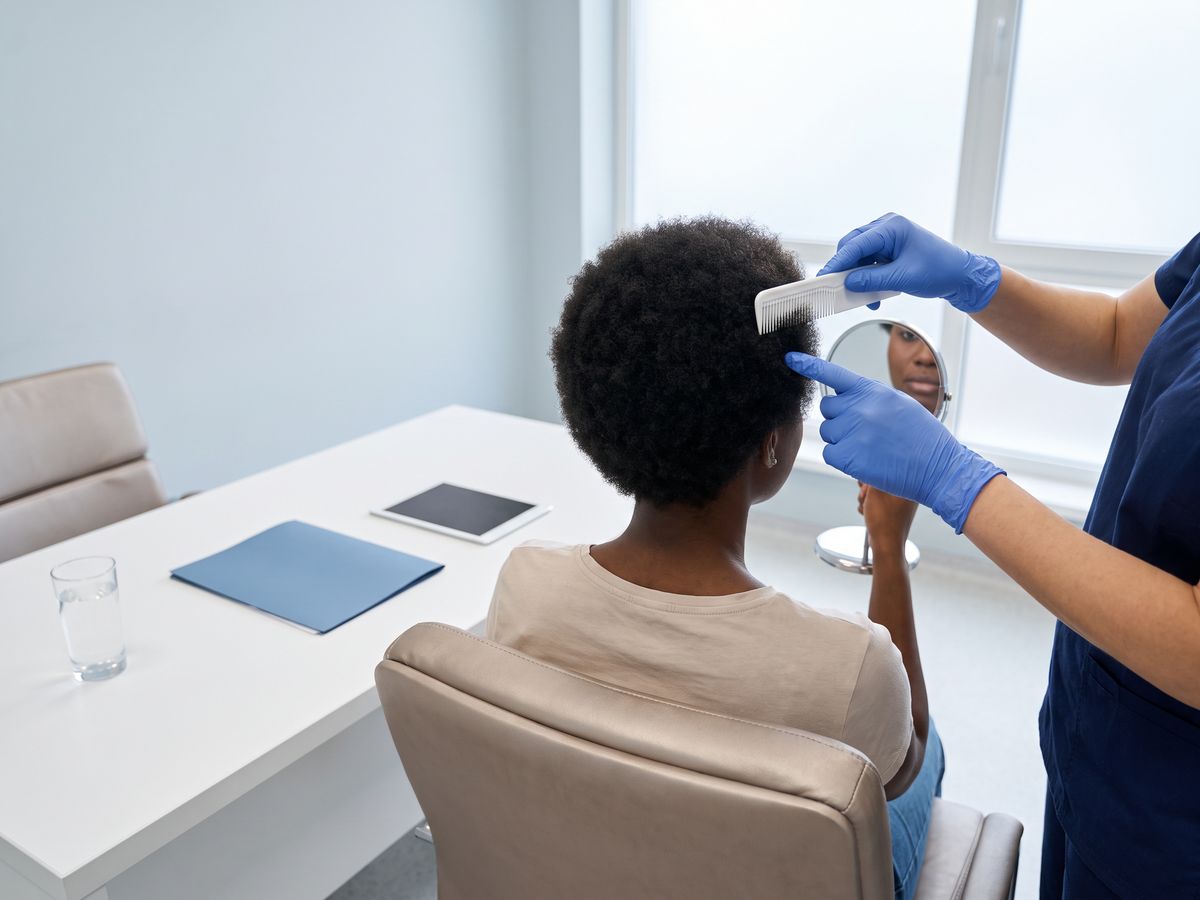
Why afro-textured hair needs different planning
Afro-textured hair often has a curved follicle path below the skin, not just a curl above the skin. That means extraction angle, punch choice, and handling must be planned differently than for straighter hair. At HAIROCKET in Tamarac, Florida, Turkish-trained, Florida-licensed surgeons assess curl direction, donor strength, and the pattern of loss before recommending surgery. Results vary, and the goal is a natural-looking improvement that respects your texture.
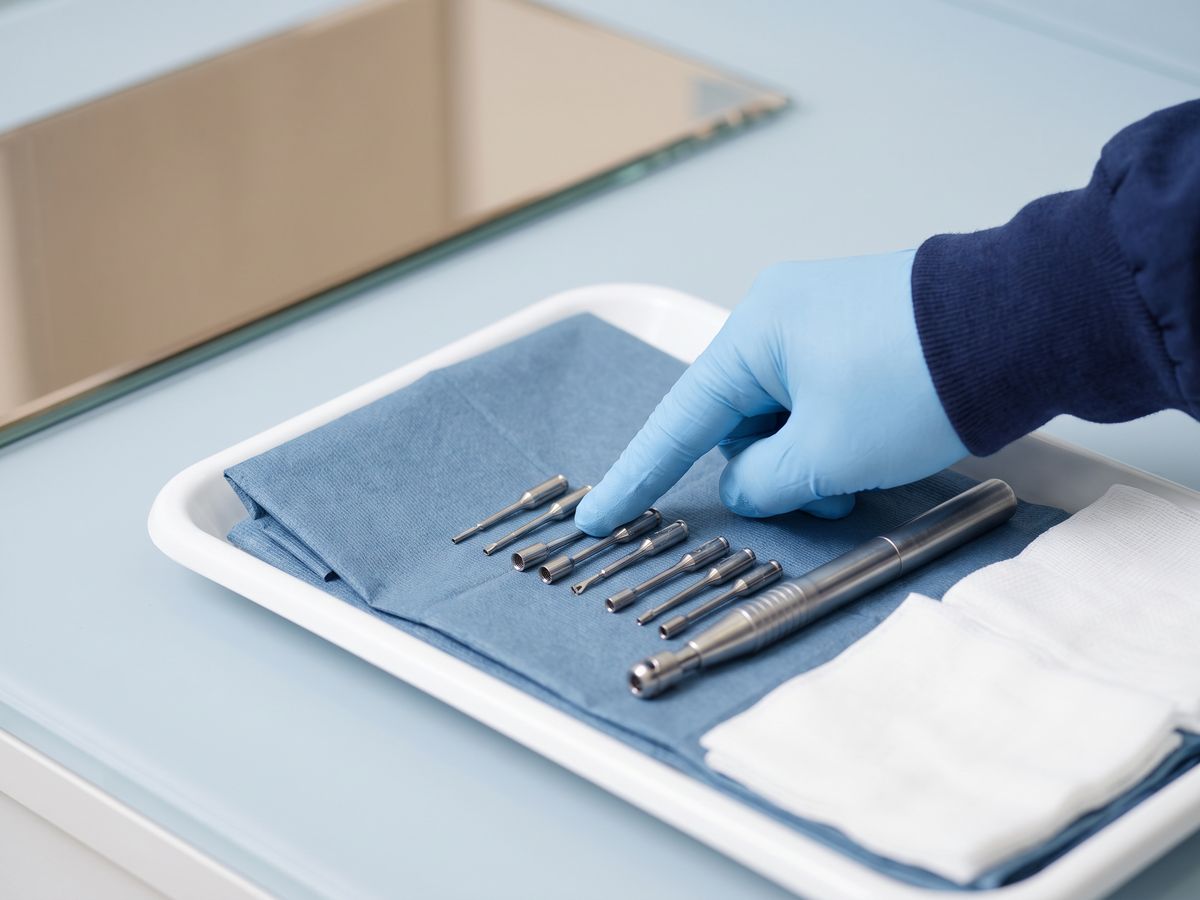
afro-hair-transplant-guide-1.jpg · 16:9
Why afro-textured hair needs different planning
How FUE is adapted for curved follicles
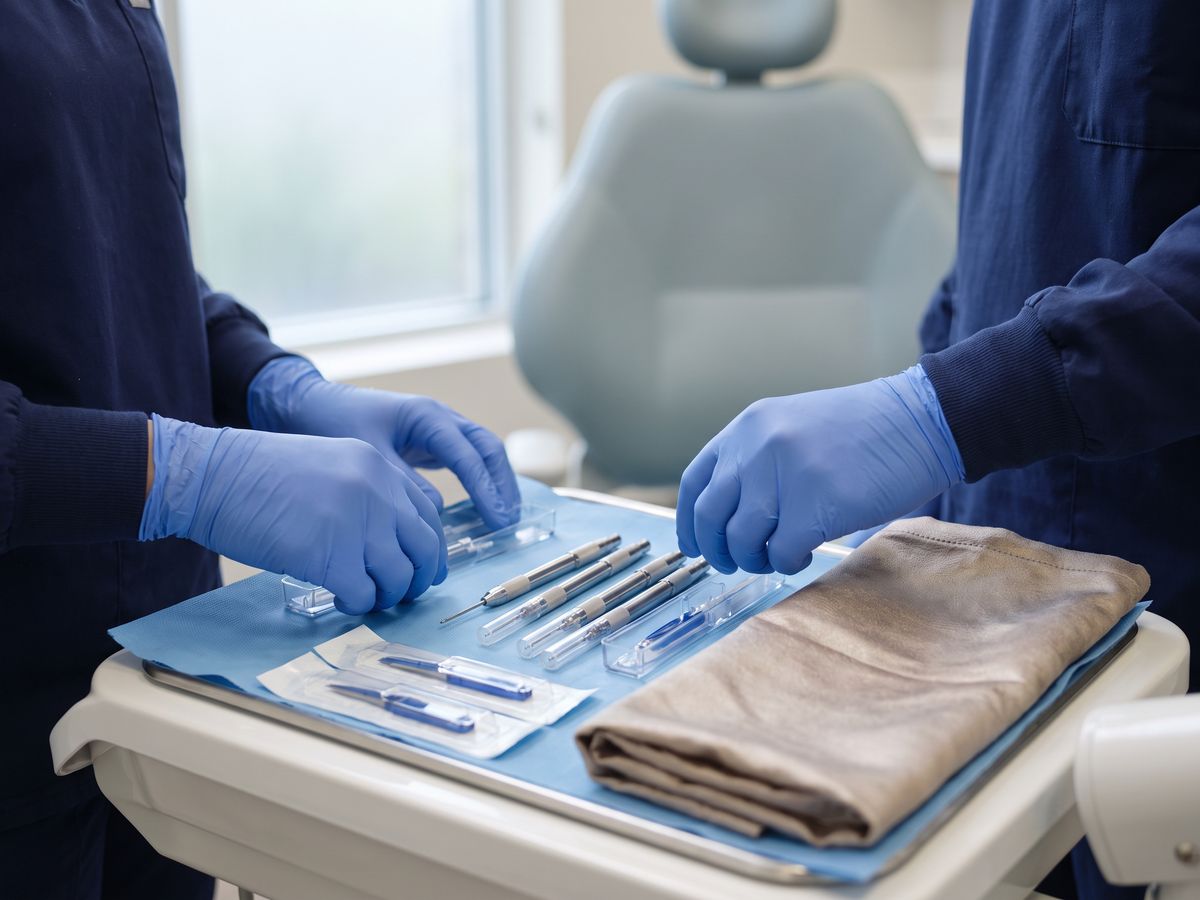
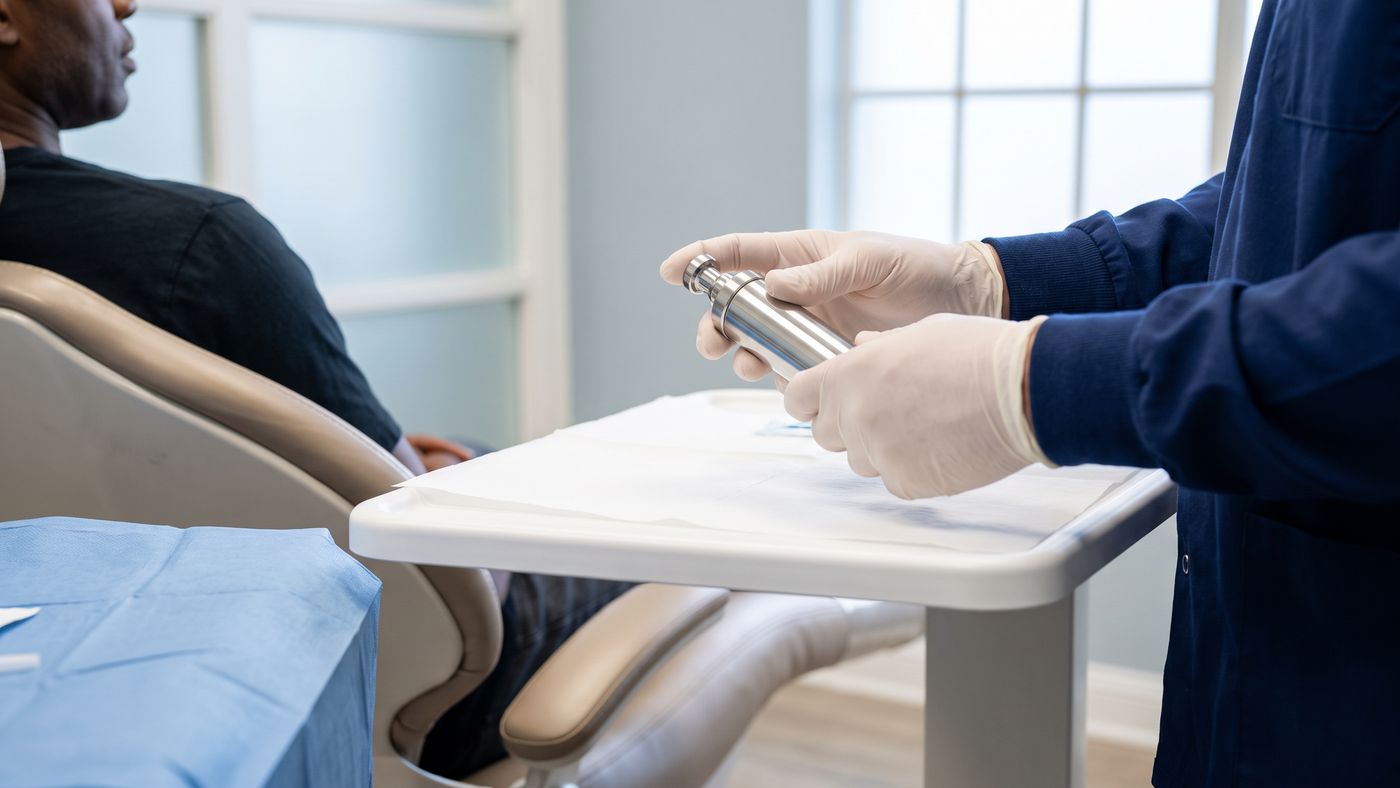
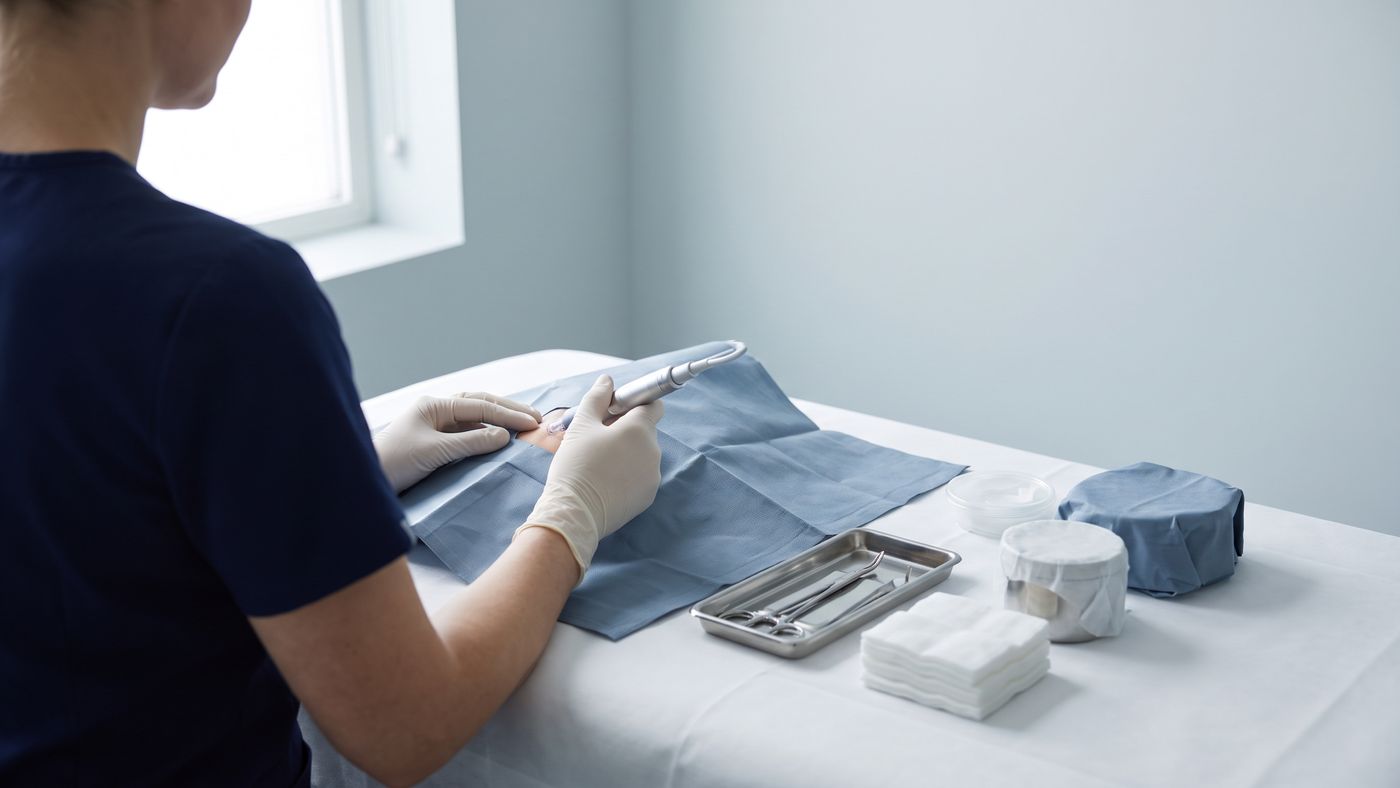
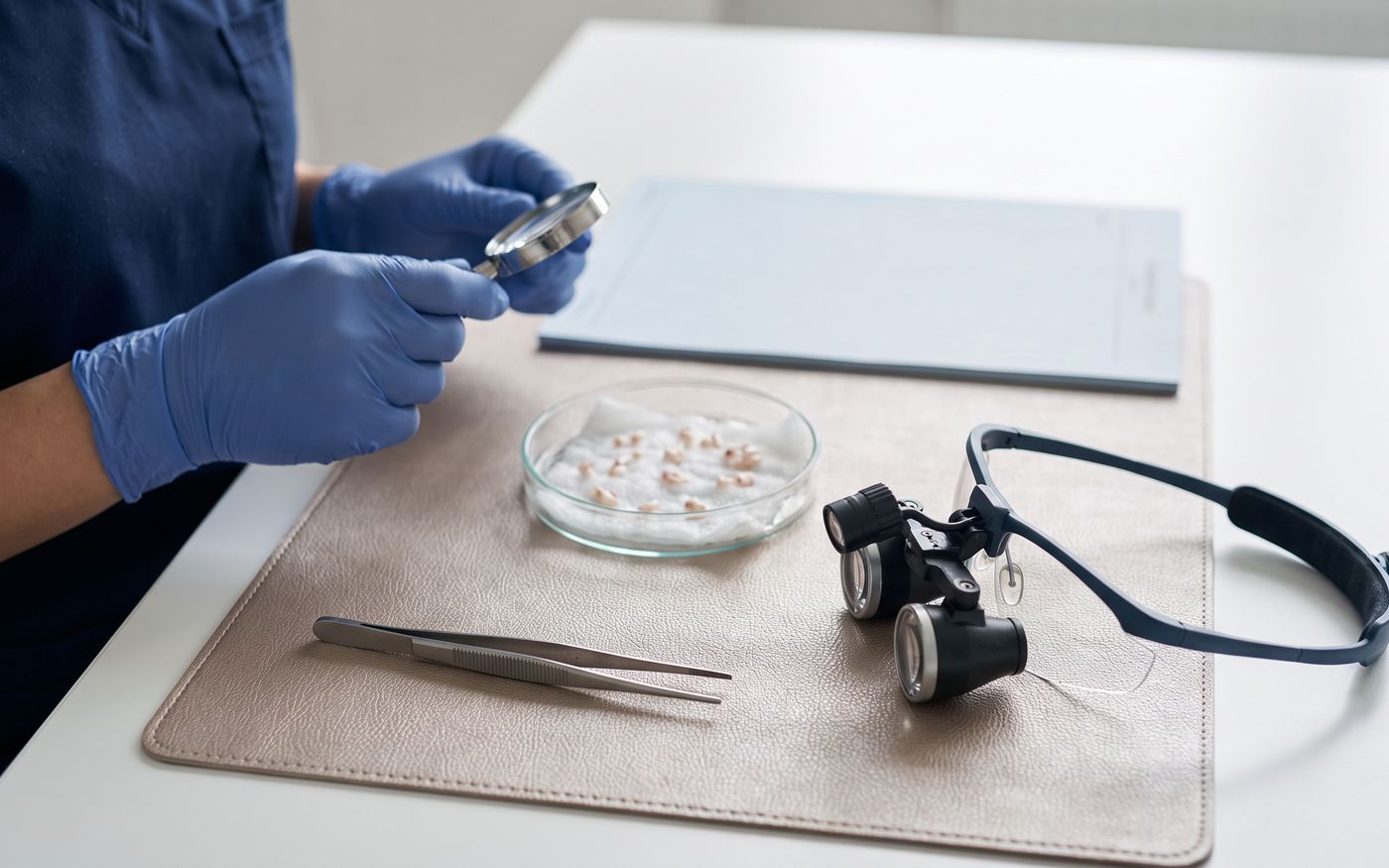
This treatment is an FUE-family scalp hair transplant performed with local anesthesia. A pressure-based needle-free system is used for the first numbing step, then additional local anesthesia keeps the area comfortable. Follicular units are extracted from the back and sides while following the follicle curve as carefully as possible. Channels are then opened in the thinning area, and grafts are implanted to match your hairline design and natural curl direction.
Donor area and graft numbers
Typical afro-textured hair transplant plans may involve about 1,500–3,500 grafts, depending on the area treated, donor availability, and the look you want to achieve. Curly hair can provide strong visual coverage, but safe donor management still matters. Your surgeon balances density goals with preserving the back and sides of the scalp. If the loss pattern is extensive, a staged plan may be discussed rather than overharvesting in one visit.
Healing and growth timeline
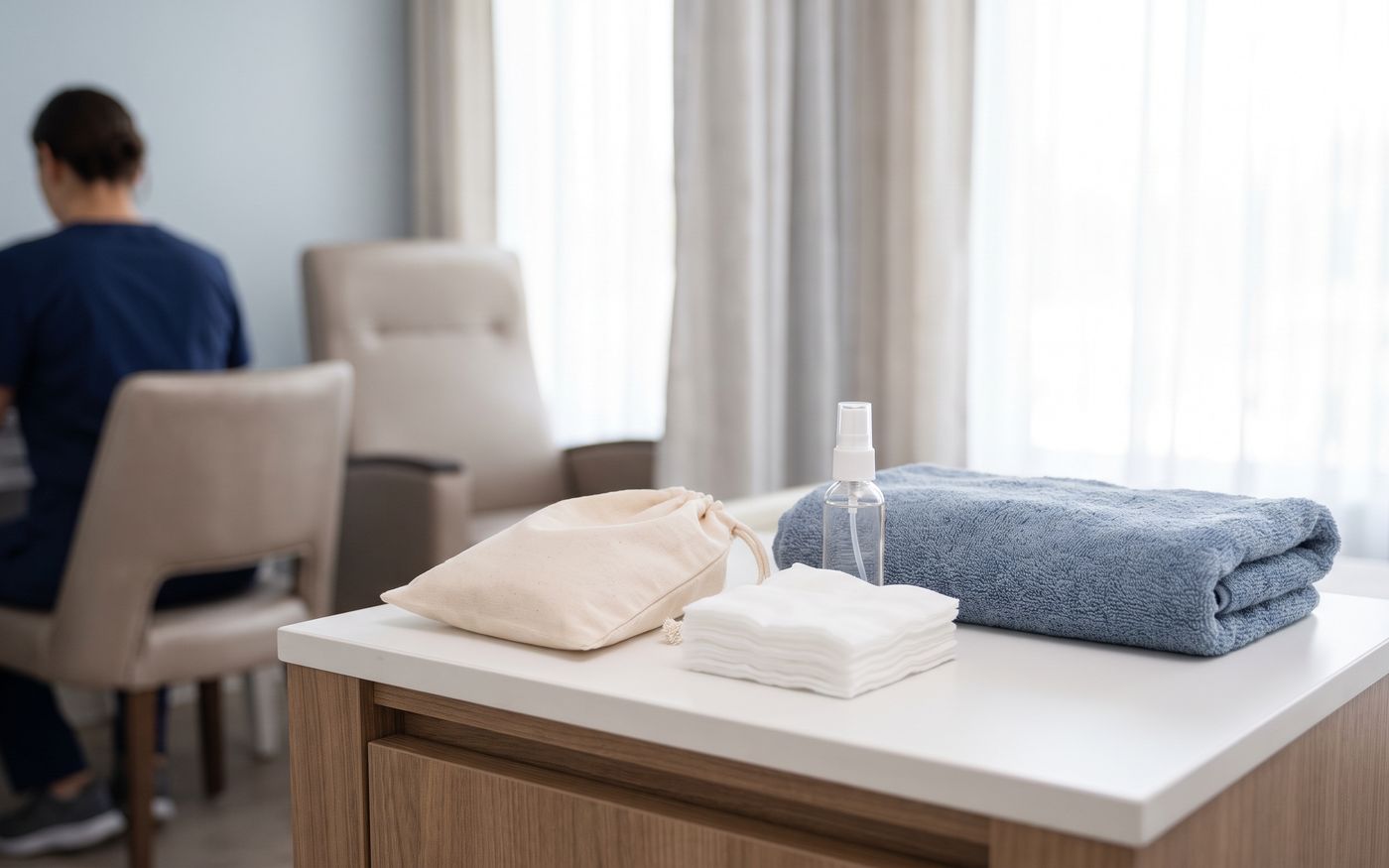
You go home the same day with written aftercare instructions. Small donor dots, mild swelling, scabbing, and temporary shedding are expected parts of recovery. Many transplanted hairs shed during months one and two, then new growth typically begins around months three to four. A more visible change often develops around month six, with final maturation near month twelve. Results vary from person to person based on healing, hair characteristics, and ongoing hair loss.
Protecting native hair after transplant
Transplanted follicles come from areas that are resistant to pattern hair loss, but your native hair can continue thinning. If you have traction alopecia, tight hairstyles must be stopped and the loss should be stable before surgery. Your surgeon may discuss scalp care, medical therapy, or follow-up monitoring to protect existing hair. A transplant adds hair to selected areas; it does not stop every future cause of shedding or thinning.
Glossary
Terms you'll hear
Graft
A follicular unit containing 1–4 hairs, moved as one piece.
Donor area
The back and sides of the scalp, where hair is genetically resistant to loss.
Recipient area
The thinning or bald area where grafts are implanted.
Norwood scale
A 7-stage classification of male pattern hair loss.
Ludwig scale
A 3-stage classification of female pattern hair loss.
Shock loss
Temporary shedding of hair after surgery; it regrows.
Graft survival
The percentage of transplanted grafts that grow.
Hairline design
Planning the shape and irregularity of the frontal hairline.
Questions
Afro-Textured Hair FAQ
Is an afro hair transplant harder than other transplants?
It requires specific experience because follicles are curved. With the right technique, graft survival is excellent.
Does afro-textured hair need fewer grafts?
Often yes — curly hair covers more scalp per graft, creating a fuller appearance.
Can you treat traction alopecia?
Yes, when the loss is stable. Your surgeon will assess whether the area can support grafts.
How is an afro-textured hair transplant different from standard FUE?
The main difference is the curved follicle shape under the skin. Your surgeon adjusts punch angle, extraction technique, and implantation direction to reduce follicle injury and help the new hair grow in a natural curl pattern.
Will the transplanted hair keep my natural curl?
Yes, transplanted grafts are your own follicles, so they are expected to grow with your natural hair characteristics over time. Early growth can look fine or uneven at first, and results vary as the hair matures.
Can this help traction alopecia along my hairline?
It may help when traction alopecia is stable and the scalp can support grafts. If tight styles or active inflammation are still causing loss, your surgeon may recommend waiting and changing hair practices before transplant surgery.
How many grafts are typical for afro-textured hair?
Many plans fall around 1,500–3,500 grafts, but your number depends on donor supply, area size, hairline goals, and whether crown or mid-scalp areas are included. Your surgeon confirms this after an in-person evaluation.
What does an afro hair transplant cost at HAIROCKET?
Afro-textured hair transplants are available in our fixed-price packages: Essential $5,500, Signature $5,750 or Elite $8,000. Each covers all the grafts you safely need, with no per-graft fees. You receive a personalized recommendation after your scalp and donor area are examined.
Will I have visible scarring in the donor area?
FUE-family extraction creates small donor dots rather than a linear incision. These marks usually become less noticeable as healing progresses, but visibility varies with skin response, haircut length, and the number of grafts removed.
When will I see growth after surgery?
Shedding is common during months one and two. New growth often starts around months three to four, with more visible change around month six and maturation near month twelve. Results vary for each patient.
Can my natural hair keep thinning after the transplant?
Yes. Transplanted donor follicles are resistant to pattern loss, but surrounding native hair can continue to thin. Your surgeon may recommend follow-up care or medical options to help protect non-transplanted hair.
Turkish hair transplant expertise — now in America.
Turkey became the world's hair transplant capital by performing more procedures, with more refined techniques, than anywhere else. HAIROCKET brings that expertise to South Florida — Turkish-trained surgeons, licensed in Florida, working to U.S. medical standards. Same artistry. No 10-hour flight.