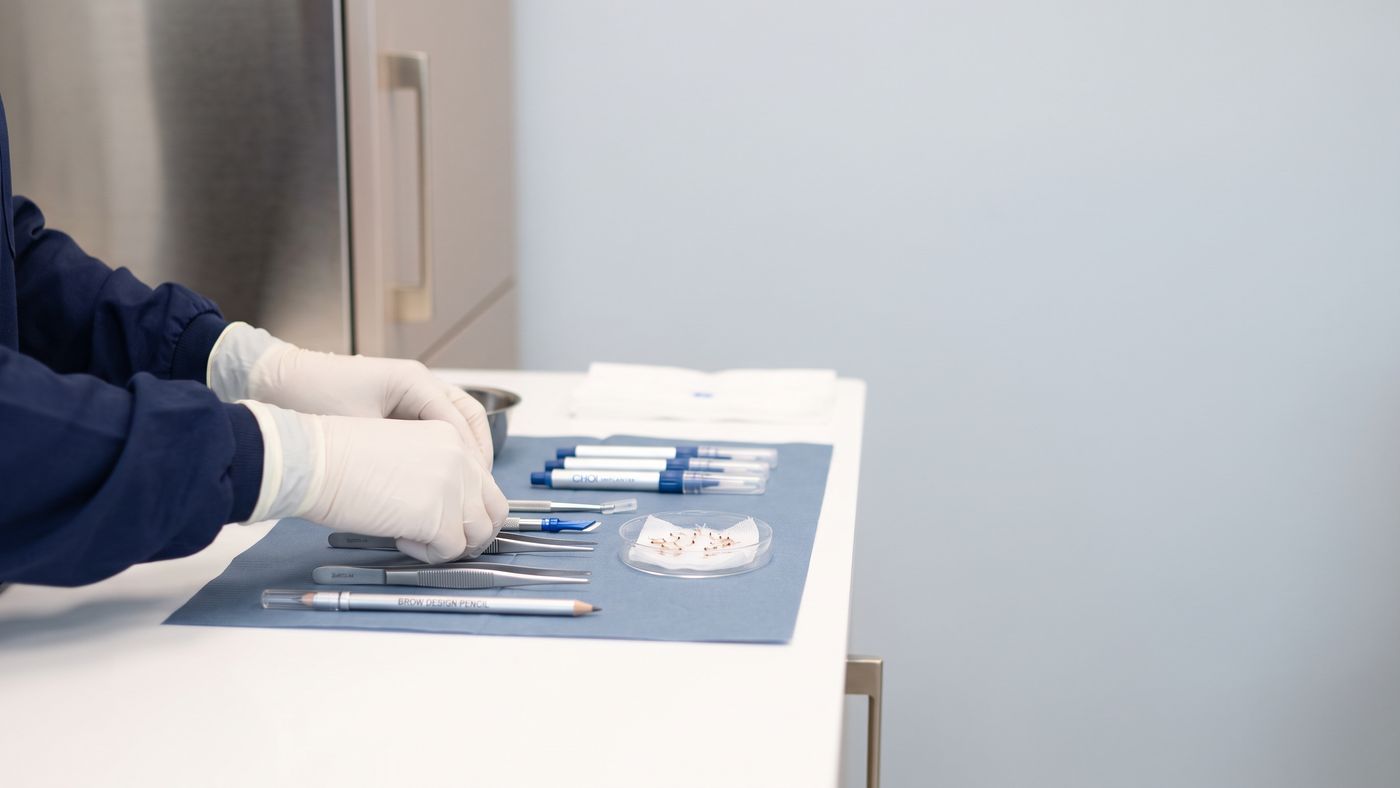
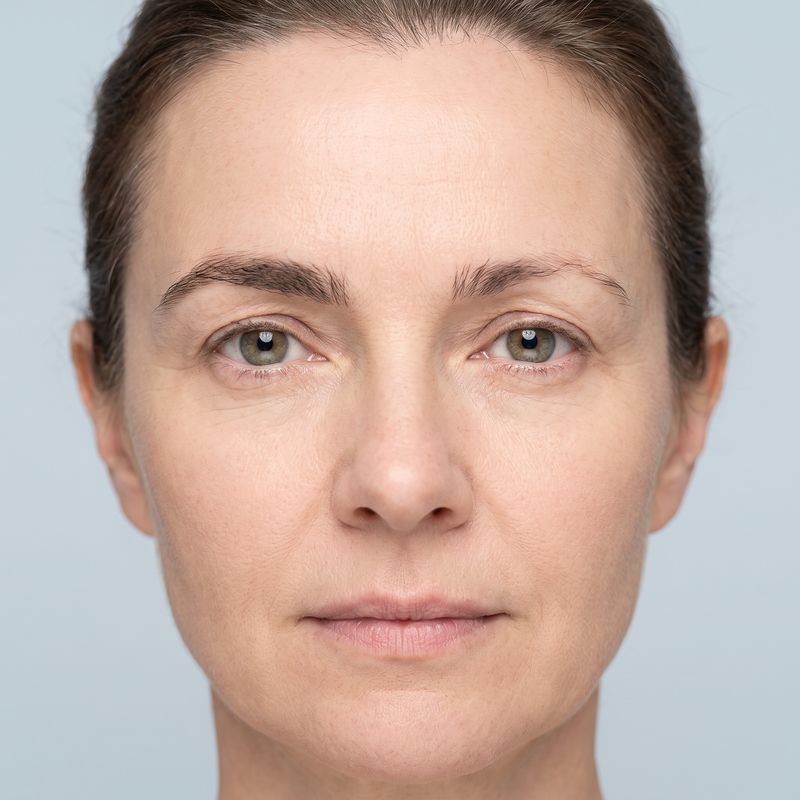
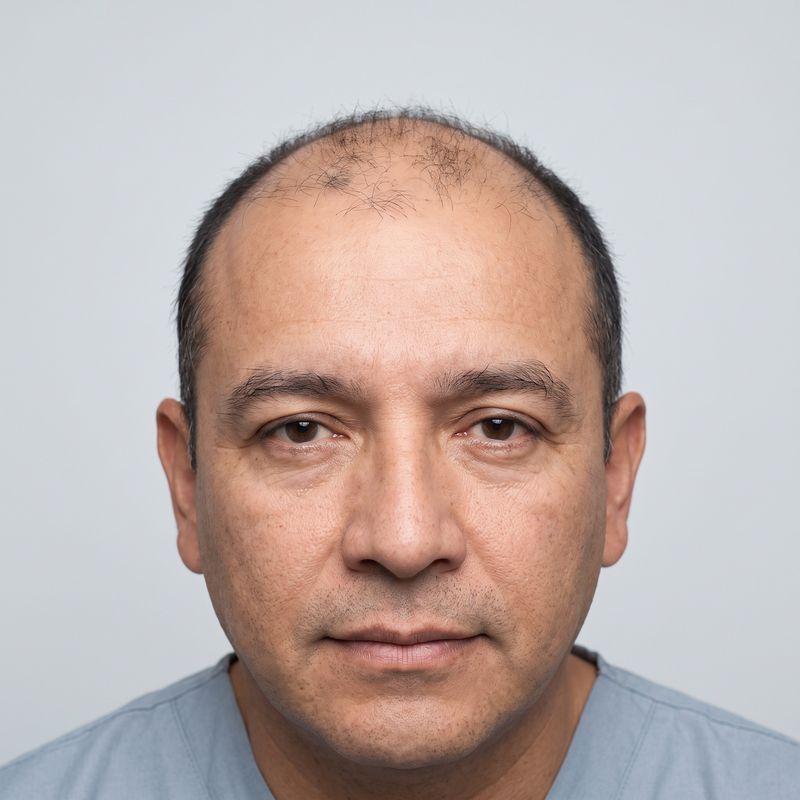
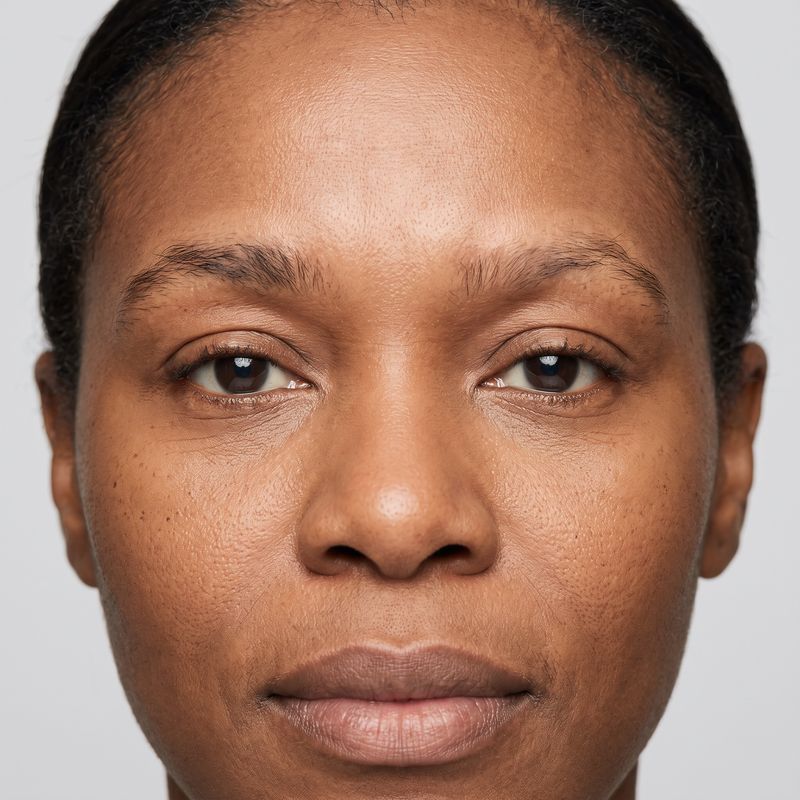
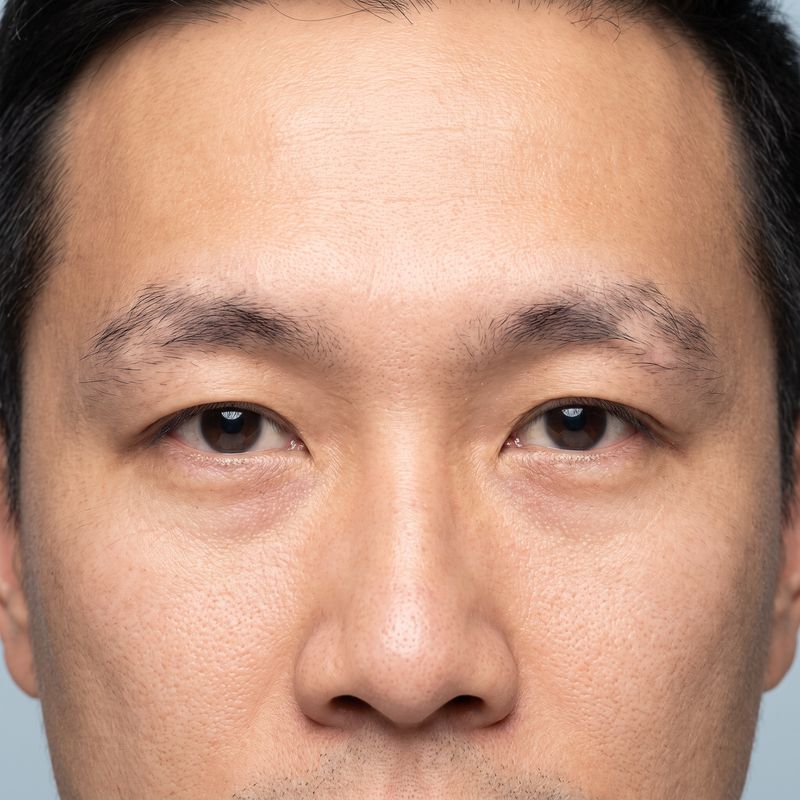
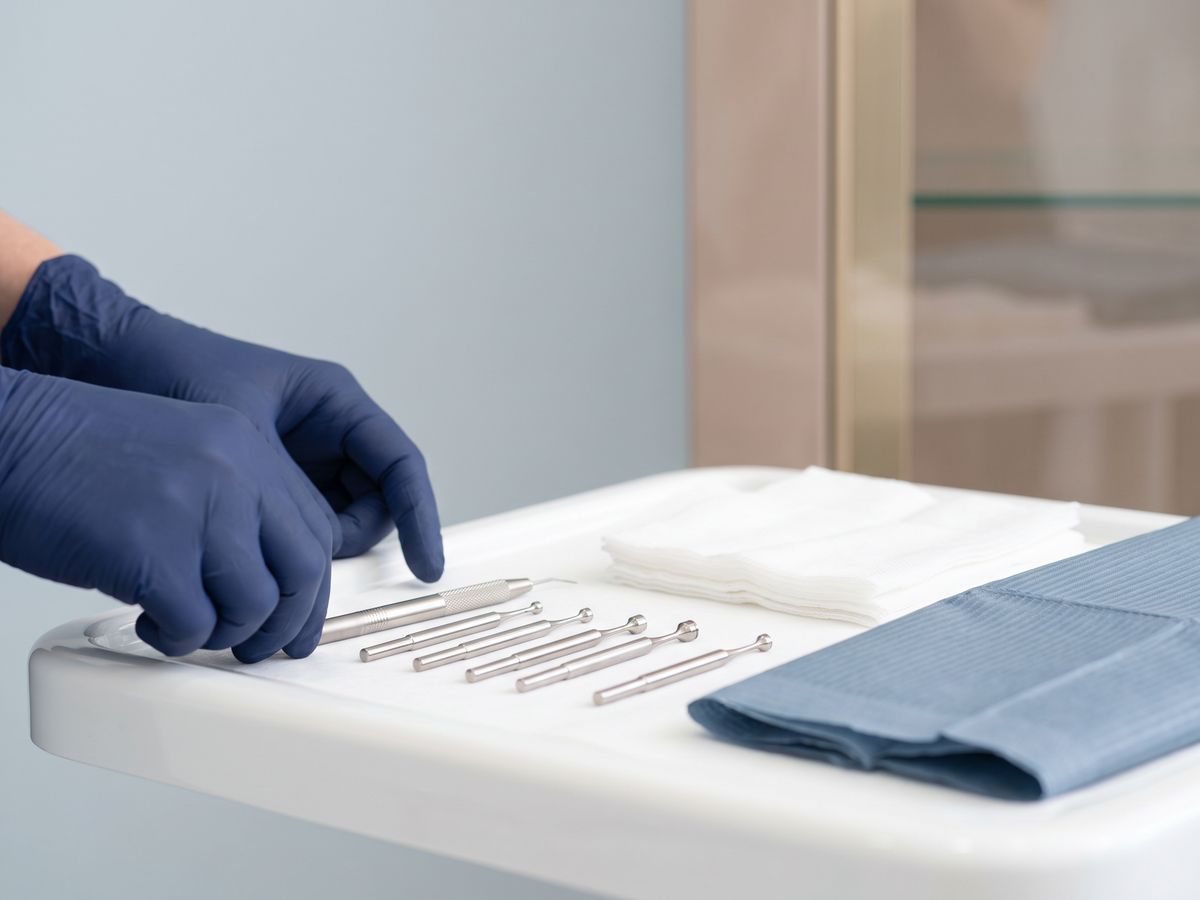
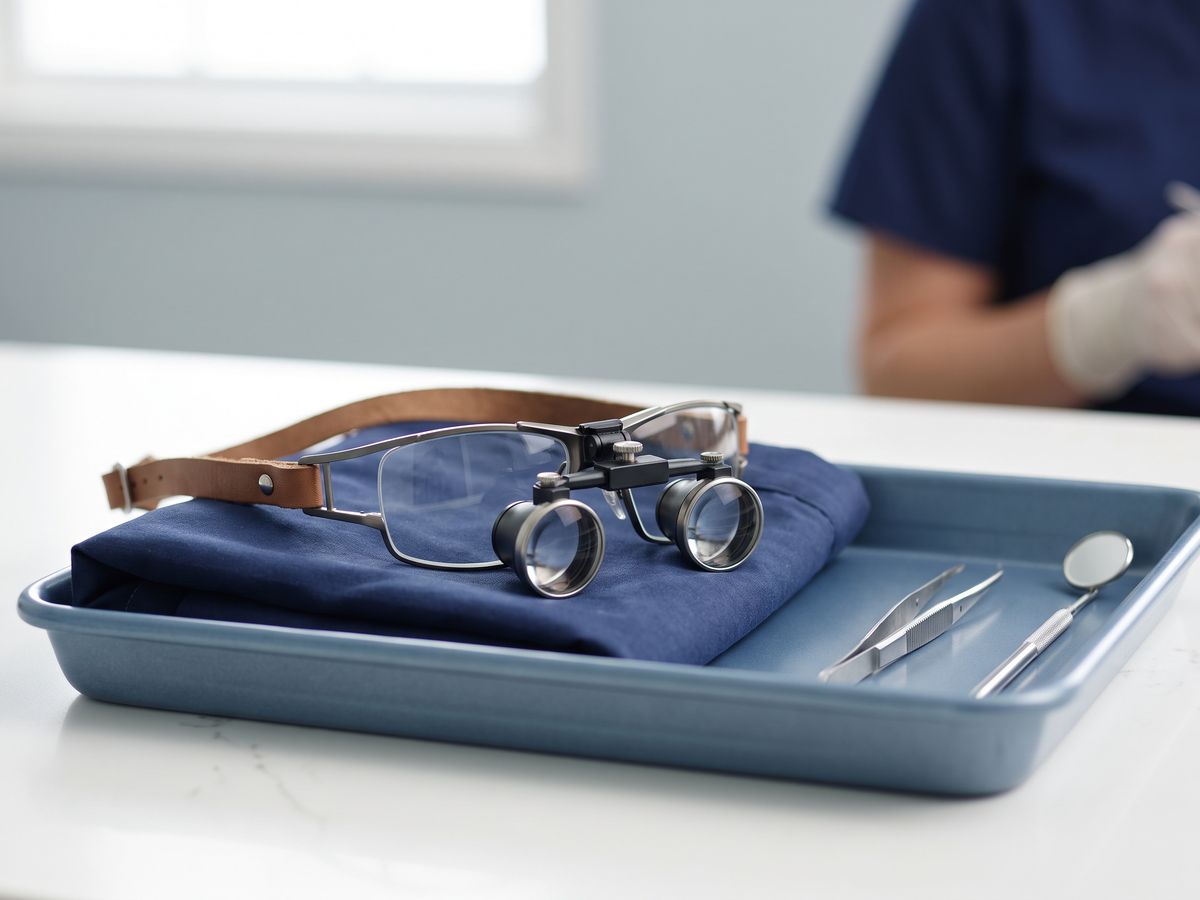
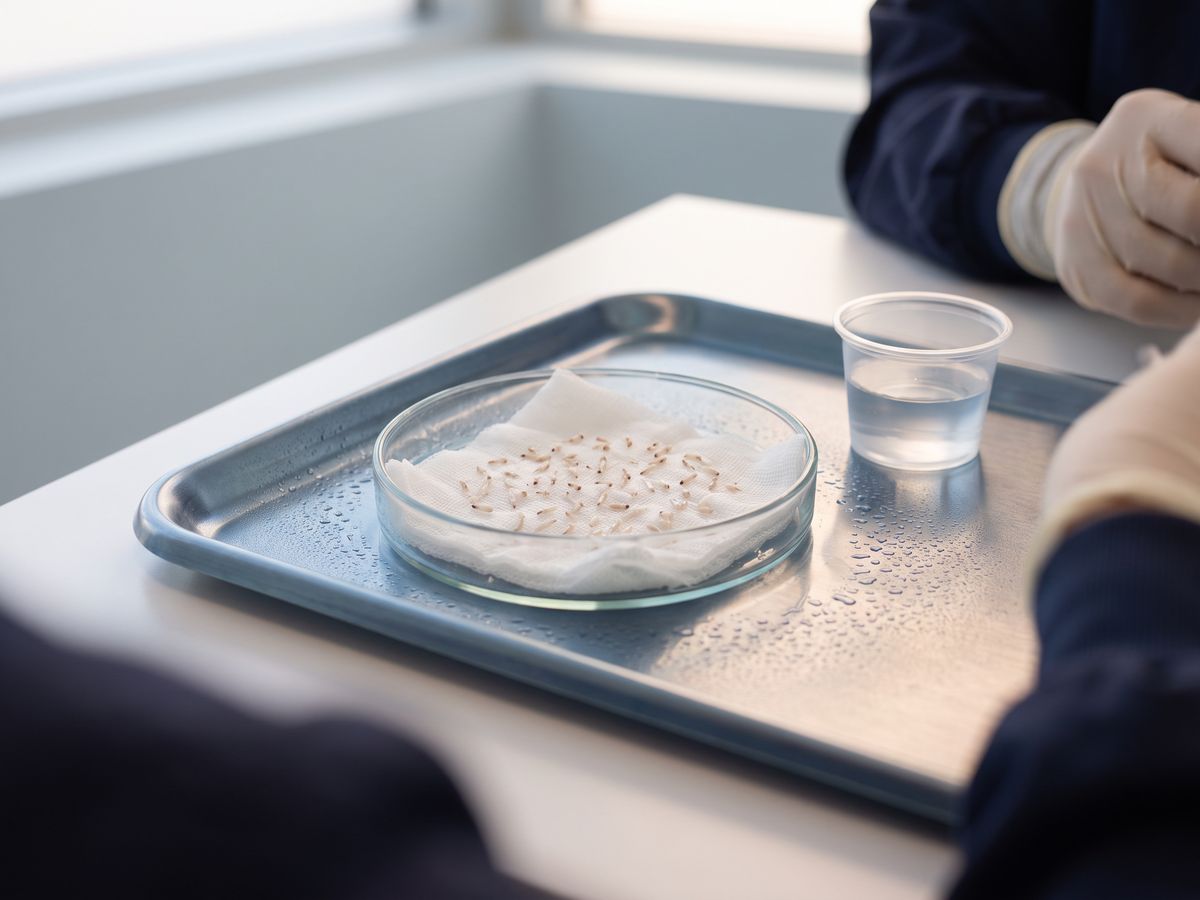
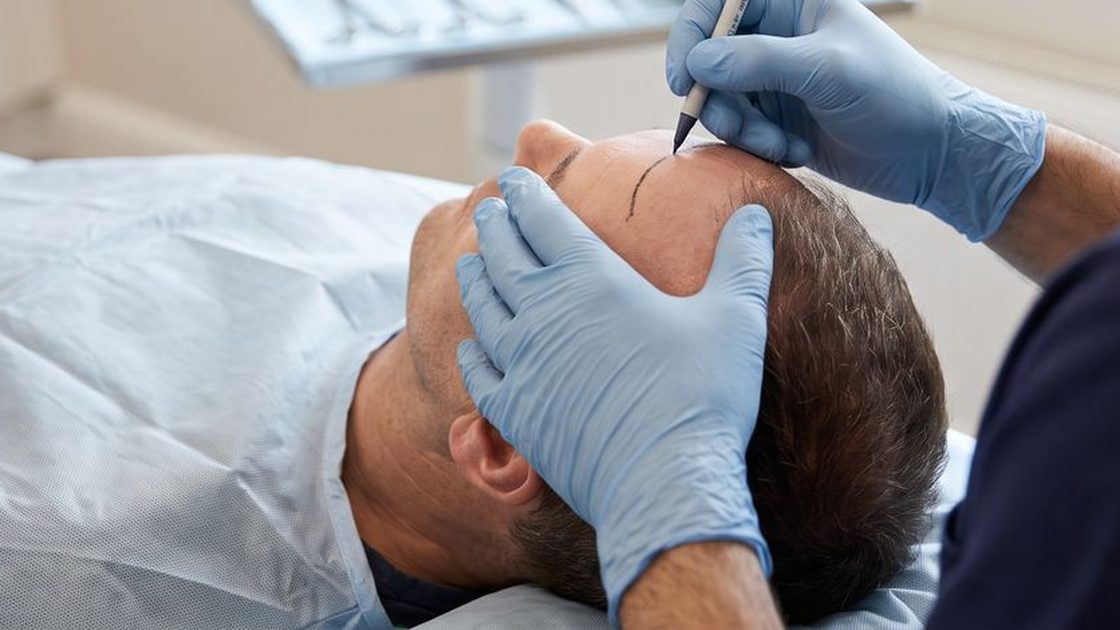
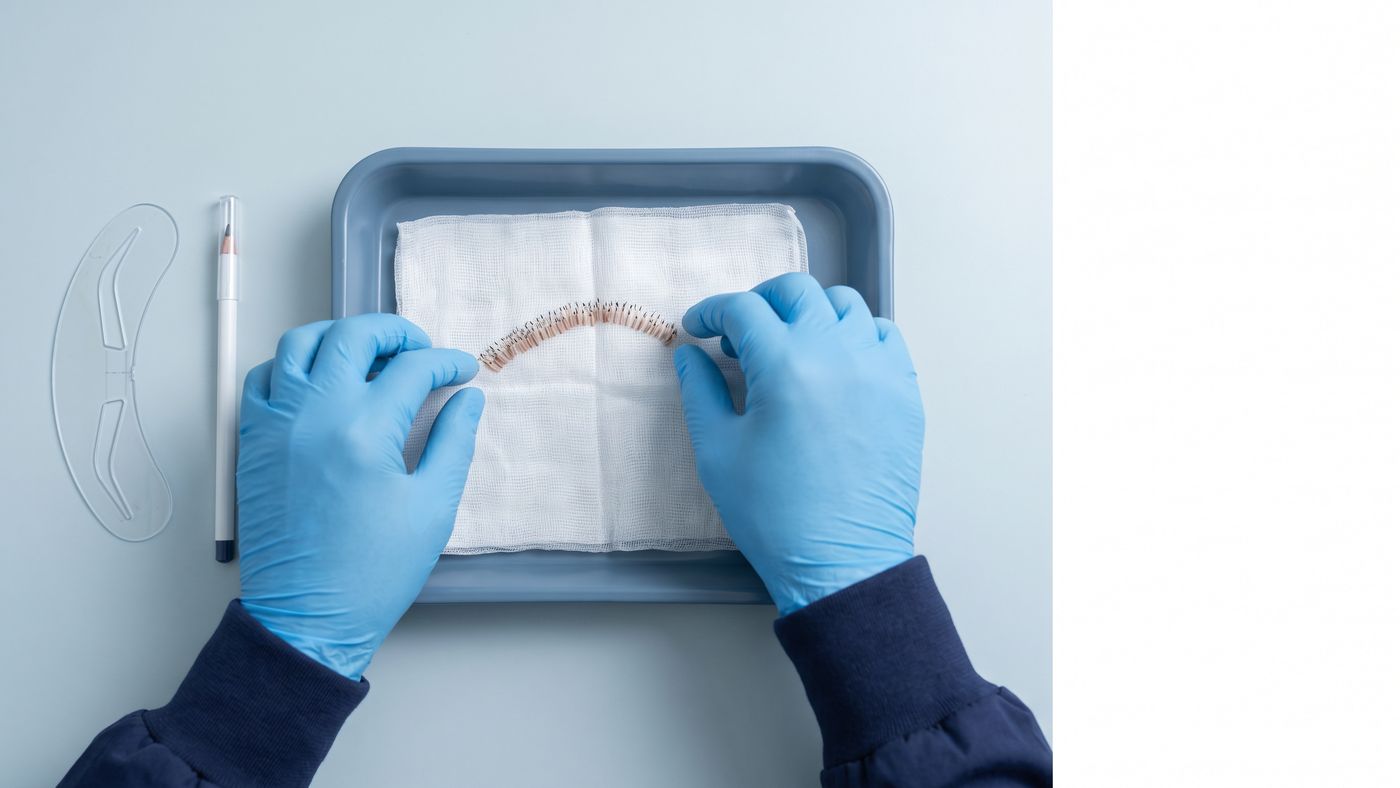
An eyebrow transplant is a procedure that places individual hair follicles from the scalp into the brows to create permanent, natural eyebrows. Each brow is designed hair by hair — for over-plucked, thinning or scarred brows.
An eyebrow transplant restores thin, over-plucked or scarred brows with permanent, natural hair. Single-hair grafts are placed one by one at the flat angle and changing direction of natural eyebrow hair, so brows look soft rather than drawn on.
HAIROCKET's Turkish-trained, Florida-licensed surgeons perform eyebrow transplants in South Florida with the meticulous single-hair technique Turkish clinics are known for.
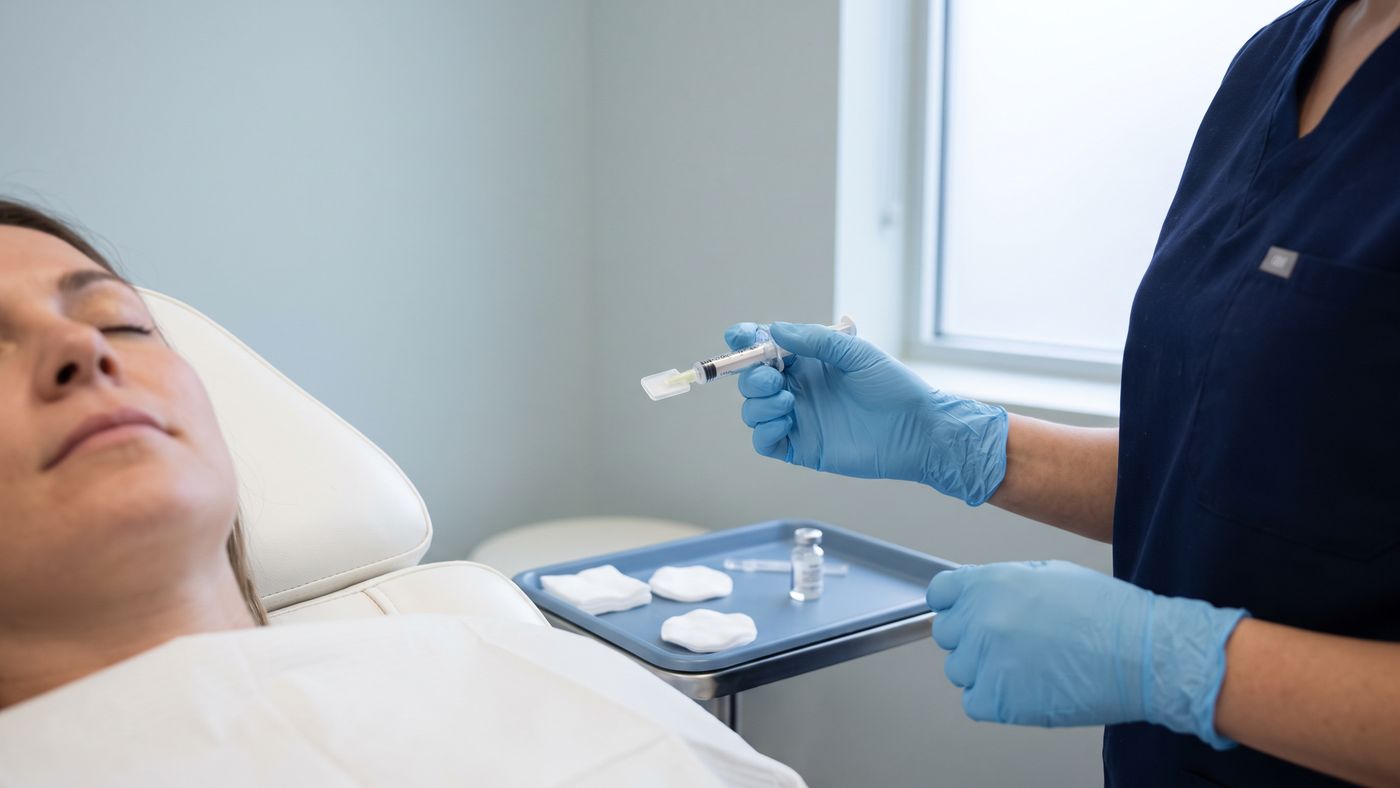
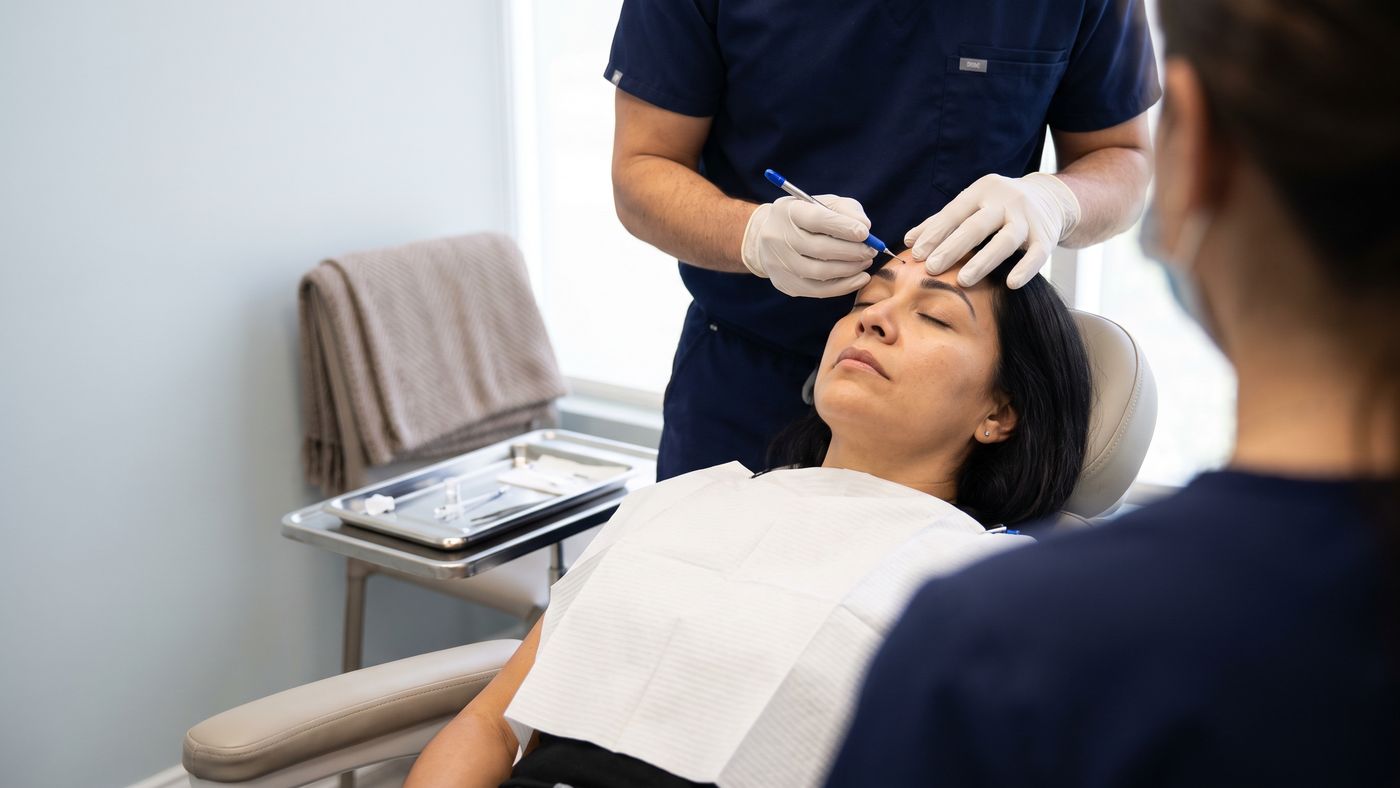
eyebrow-transplant-overview.jpg · 16:9
Eyebrow Transplant: an overview of how the procedure works.
Micro-preciseSub-millimeter instruments at your native hair angle.
Natural densityTighter placement for a fuller, even look.
Faster healingLess redness and crusting in week one.
Technique
Eyebrow Transplant
Duration
3–4 hours
Anesthesia
Needle-free local
Hospital stay
Same-day home
Back to work
1–2 days
Graft survival
90%+
Typical plan
250–600
Final result
9 months
Turkish expertise · now in America
Eyebrow Transplant: the Turkish technique, performed in South Florida
Eyebrow transplants require patience and precision — a few hundred single-hair grafts placed at near-flat angles. Turkish surgeons perform them frequently, and our surgeons bring that experience to America under Florida licensure.
Consented results only. We publish before-and-after photos only of HAIROCKET patients who give written consent, taken under the same light and angles, without retouching. Our gallery opens with our first consented cases — until then, ask to see results in patients with hair like yours during your free consultation, and read how to judge before-and-after photos.
Recovery timeline
What to expect, month by month
Day 1
Fresh grafts
Brows look defined with tiny crusts; avoid rubbing and follow cleaning instructions.
Procedure day
Days 2–4
Mild swelling
Some puffiness around the eyes can appear and usually improves over several days.
Swelling phase
Week 1
Crust care
Crusts begin loosening; keep the area gentle and avoid makeup until cleared.
Early healing
Weeks 2–6
Temporary shedding
Many transplanted hairs shed in the first weeks while follicles settle under the skin.
Shedding phase
Month 3
New growth
Early regrowth may begin around this time, often fine before it gains character.
Growth begins
Month 9–12
Mature brows
Shape and density continue refining; final outcomes vary by healing and hair characteristics.
Final review
Safety
Risks, side effects & how we minimize them
Common & temporary
Mild swelling for 2–3 days
Redness and small crusts for 7–10 days
Shock loss in months 1–2
Temporary numbness in the donor area
Rare — call us if you notice
Increasing pain after day 3
Fever or spreading redness
Persistent bleeding
Signs of an allergic reaction
Florida-licensed surgeon on site for every procedure
Your surgeon plans your Eyebrow Transplant procedure, designs the shape with you and personally performs the critical steps. Your written plan names the surgeon who will operate, so you can verify their Florida license before you book.
Verified reviews only. We publish patient reviews only from verified patients, with their written consent. Until then, judge us by what you can check yourself: our surgeons' Florida licenses, real before-and-after results and a written, all-inclusive quote.
In-depth guide
The complete guide to Eyebrow Transplant
How eyebrow transplant works
An eyebrow transplant moves carefully selected single-hair grafts from the back of the scalp into thin, sparse, over-plucked, or scarred brow areas. The key difference from scalp work is angle. Brow hairs must sit very flat to the skin and change direction across the brow, so the surgeon places each graft with close attention to natural flow and softness.
Because the hairs come from the scalp, they keep scalp-hair behavior after transplant. That means they can grow longer than native brow hair and will need regular trimming. The goal is a fuller, natural-looking brow pattern, but density, texture, and styling needs vary from person to person.
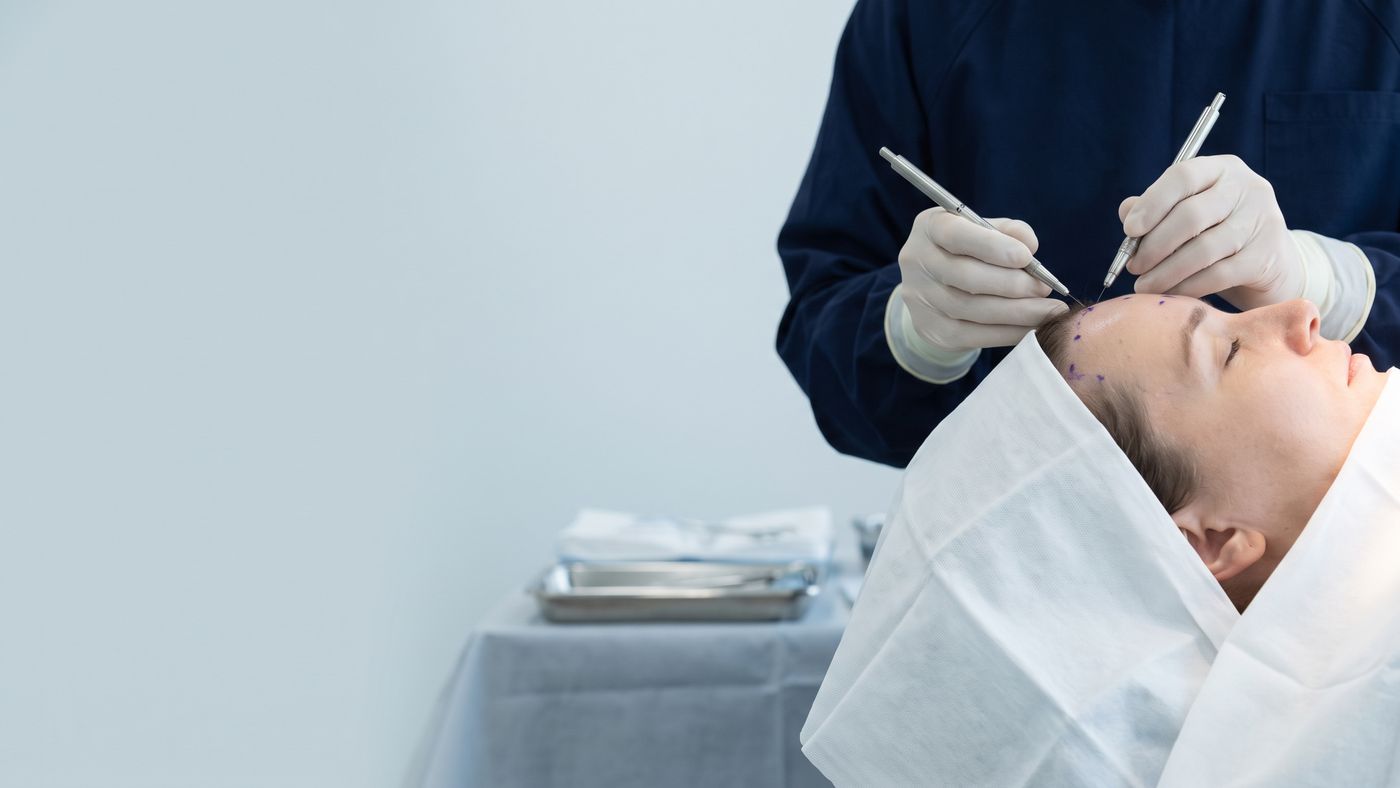
eyebrow-transplant-guide-1.jpg · 16:9
How eyebrow transplant works
Planning your brow shape
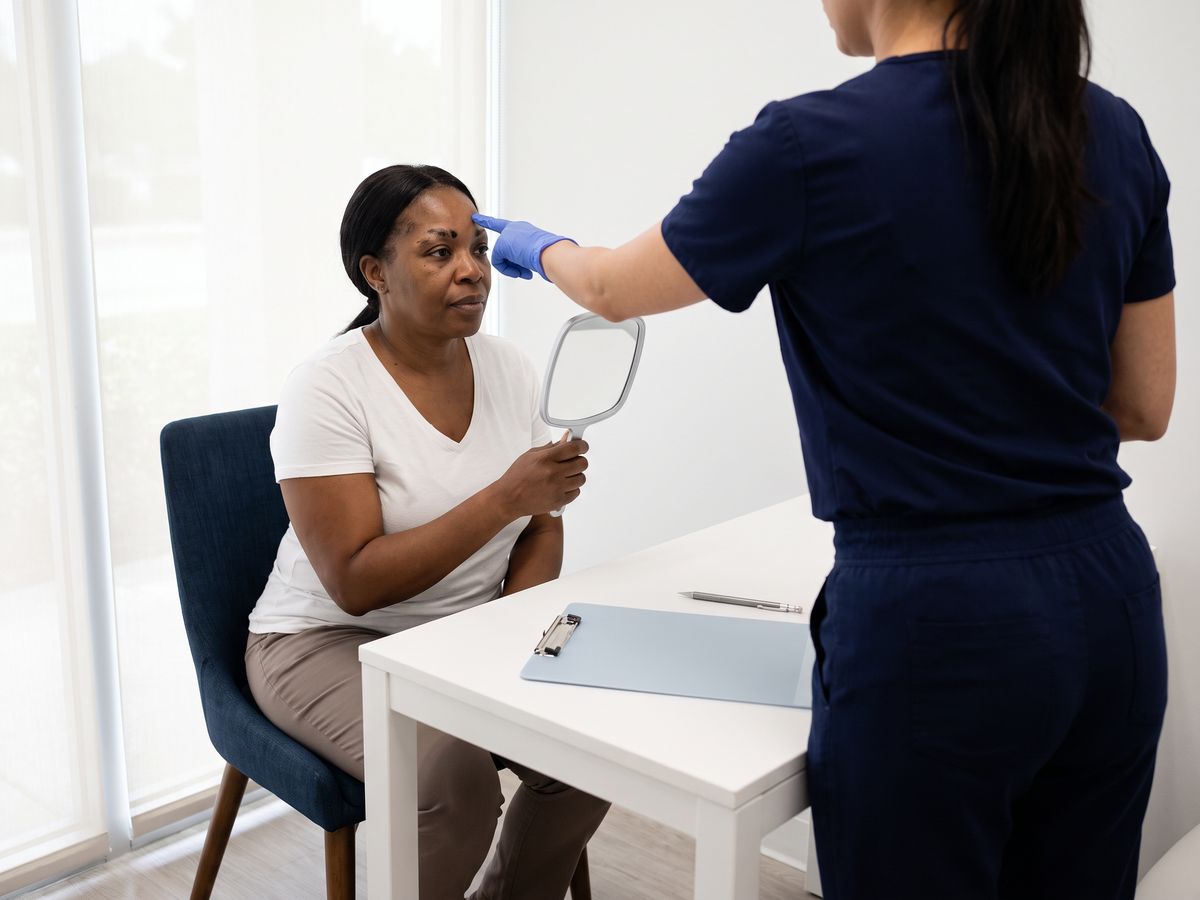
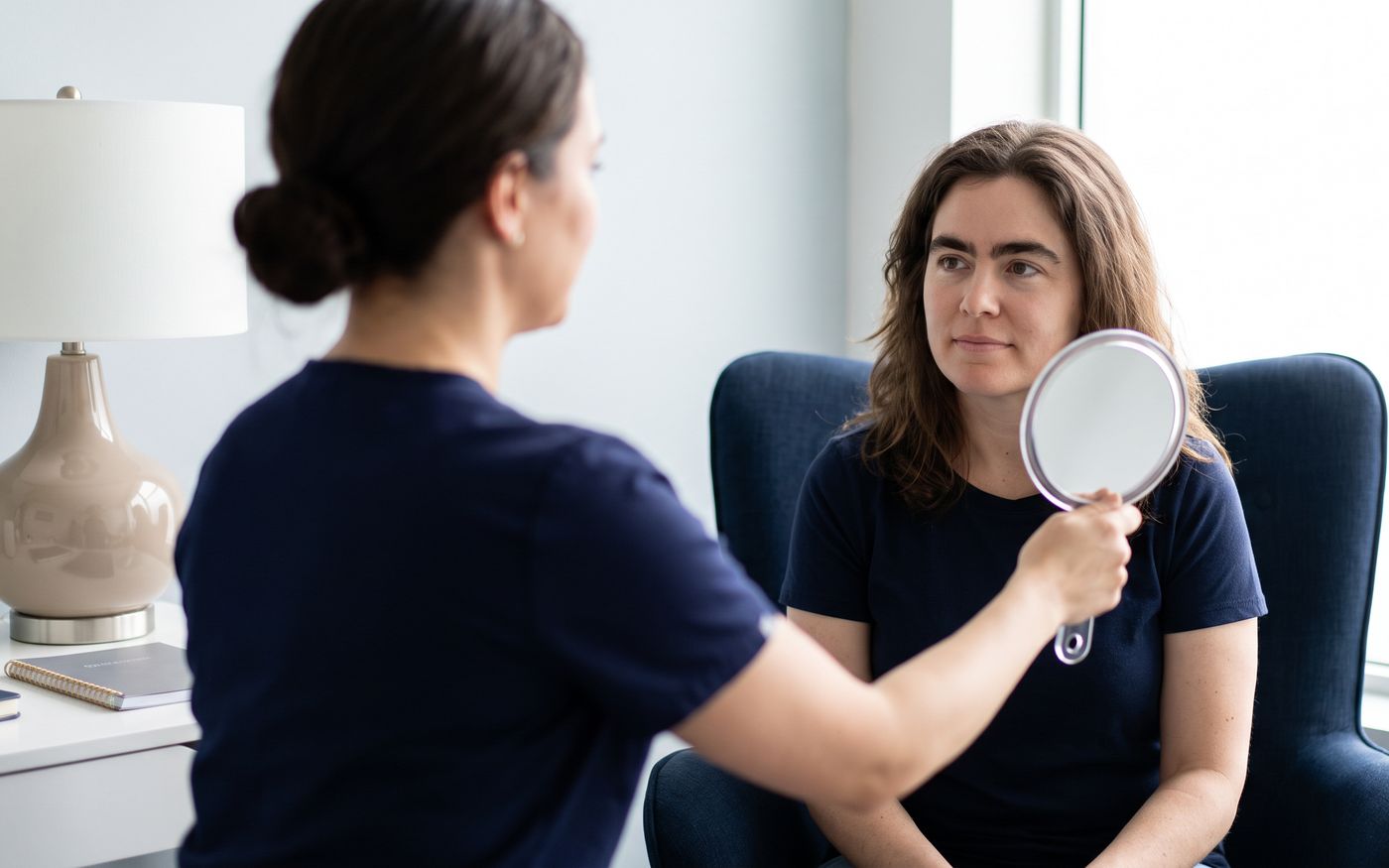
Your visit includes brow design before any grafting begins. The surgeon looks at your facial proportions, existing brow hairs, scars, and the amount of fullness you want. A good plan avoids simply drawing a thick line; it considers the head, arch, body, and tail of the brow as separate areas with different hair directions.
Bring photos if they help explain your preferences, but the final plan should work with your anatomy and donor hair. Some patients need only gap filling, while others need more complete reconstruction. HAIROCKET will also review whether your skin is healthy enough for grafting and whether your expectations are realistic.
What the session feels like
Eyebrow transplant is performed with local anesthesia. You remain awake, and the treated areas are numbed before graft placement. Most sessions take about two to three hours, depending on the number of grafts and the detail needed. The donor area is usually the back of the scalp, where suitable single hairs can be prepared.
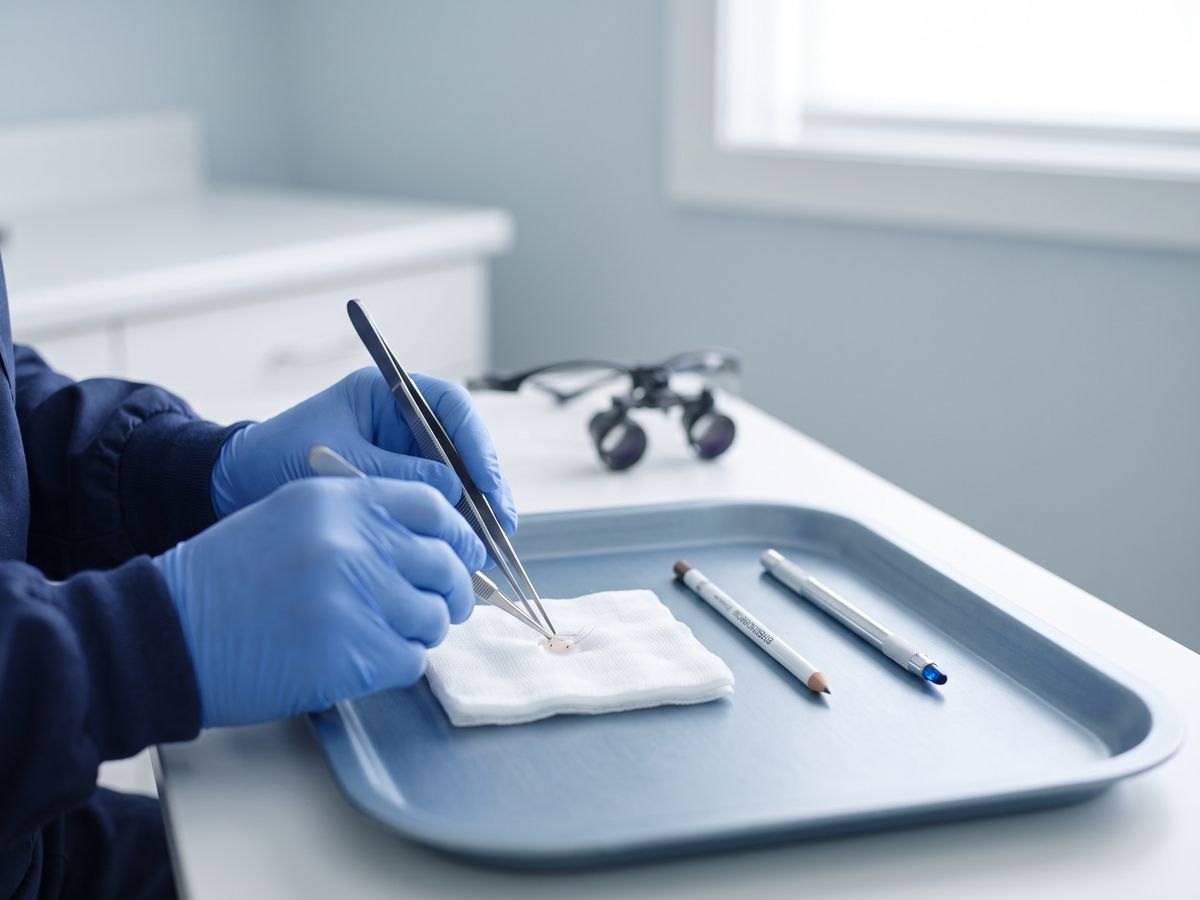
During placement, the surgeon inserts the grafts one by one using fine instruments. You may feel pressure or movement, but sharp pain should be controlled with numbing medicine. Before you go home, you receive instructions for cleaning, swelling control, sleeping position, and what to avoid while the grafts anchor.
Healing and growth timeline
Mild swelling around the eyes is common for a few days after eyebrow transplant. Tiny crusts can form around the grafts and gradually loosen with proper care. It is important not to rub, scratch, or pick at the brows during the early healing period, because the grafts are still settling into the skin.
Shedding in the first weeks is expected and does not mean the transplant failed. New growth often begins around month three, then improves gradually. The final appearance is usually judged around month nine to twelve. Results vary based on healing, hair caliber, skin quality, and how the hairs are trimmed and trained.
Trimming transplanted brows
Transplanted eyebrow hairs are living scalp hairs, so they do not automatically behave like short native eyebrow hairs. As they grow, they may become longer and need regular trimming. Some hairs may also need gentle training with a brow brush or approved styling products once healing is complete.
This maintenance is normal and should be understood before choosing surgery. Trimming helps keep the restored brow shape neat and proportionate. Your team will explain when trimming can safely begin and how to avoid pulling on new hairs while they are still maturing.
Glossary
Terms you'll hear
Graft
A follicular unit containing 1–4 hairs, moved as one piece.
Donor area
The back and sides of the scalp, where hair is genetically resistant to loss.
Recipient area
The thinning or bald area where grafts are implanted.
Norwood scale
A 7-stage classification of male pattern hair loss.
Ludwig scale
A 3-stage classification of female pattern hair loss.
Shock loss
Temporary shedding of hair after surgery; it regrows.
Graft survival
The percentage of transplanted grafts that grow.
Hairline design
Planning the shape and irregularity of the frontal hairline.
Questions
Eyebrow Transplant FAQ
How many grafts does an eyebrow transplant need?
Usually 250–600 grafts, depending on how much fullness you want.
Will transplanted eyebrows need trimming?
Yes — they come from scalp hair and may grow longer, so occasional trimming is normal.
Is an eyebrow transplant permanent?
Yes. Transplanted follicles keep growing for life.
How many grafts are used for an eyebrow transplant?
Most eyebrow transplants use about 250–600 grafts, depending on whether you need small gap filling, scar camouflage, or fuller reshaping. Your surgeon estimates the graft number after examining your brows, donor hair, and goals.
Does an eyebrow transplant hurt?
The procedure is performed with local anesthesia, so the brow and donor areas are numbed. You may feel pressure or movement during the session. Tell the team if you feel discomfort so additional numbing can be considered.
Where do the eyebrow hairs come from?
The grafts usually come from the back of the scalp. The surgeon selects fine single-hair grafts and places them into the brow at a very flat angle to match natural eyebrow direction.
Will my transplanted eyebrows need trimming?
Yes. Because transplanted hairs come from the scalp, they keep scalp-hair behavior and may grow longer than native brow hair. Regular trimming is part of normal long-term care after an eyebrow transplant.
When will I see eyebrow growth?
Transplanted brow hairs often shed during the first weeks. New growth may begin around month three, with continued refinement over time. Final appearance is usually assessed around month nine to twelve, and results vary.
How much swelling is normal?
Mild swelling around the eyes can happen for a few days. Sleeping with your head elevated and following your aftercare instructions can help. Contact the clinic if swelling is severe, worsening, or associated with concerning symptoms.
Can eyebrow transplant cover a scar?
It may improve the appearance of some brow scars by placing single hairs through or around the scarred area. Suitability depends on scar thickness, blood supply, skin quality, and the direction needed for natural-looking growth.
What does eyebrow transplant cost at HAIROCKET?
Eyebrow transplants use the same fixed-price packages: Essential $5,500, Signature $5,750 or Elite $8,000. Your surgeon recommends one based on design complexity, donor needs and whether the goal is subtle filling or more complete brow restoration.
Turkish hair transplant expertise — now in America.
Turkey became the world's hair transplant capital by performing more procedures, with more refined techniques, than anywhere else. HAIROCKET brings that expertise to South Florida — Turkish-trained surgeons, licensed in Florida, working to U.S. medical standards. Same artistry. No 10-hour flight.