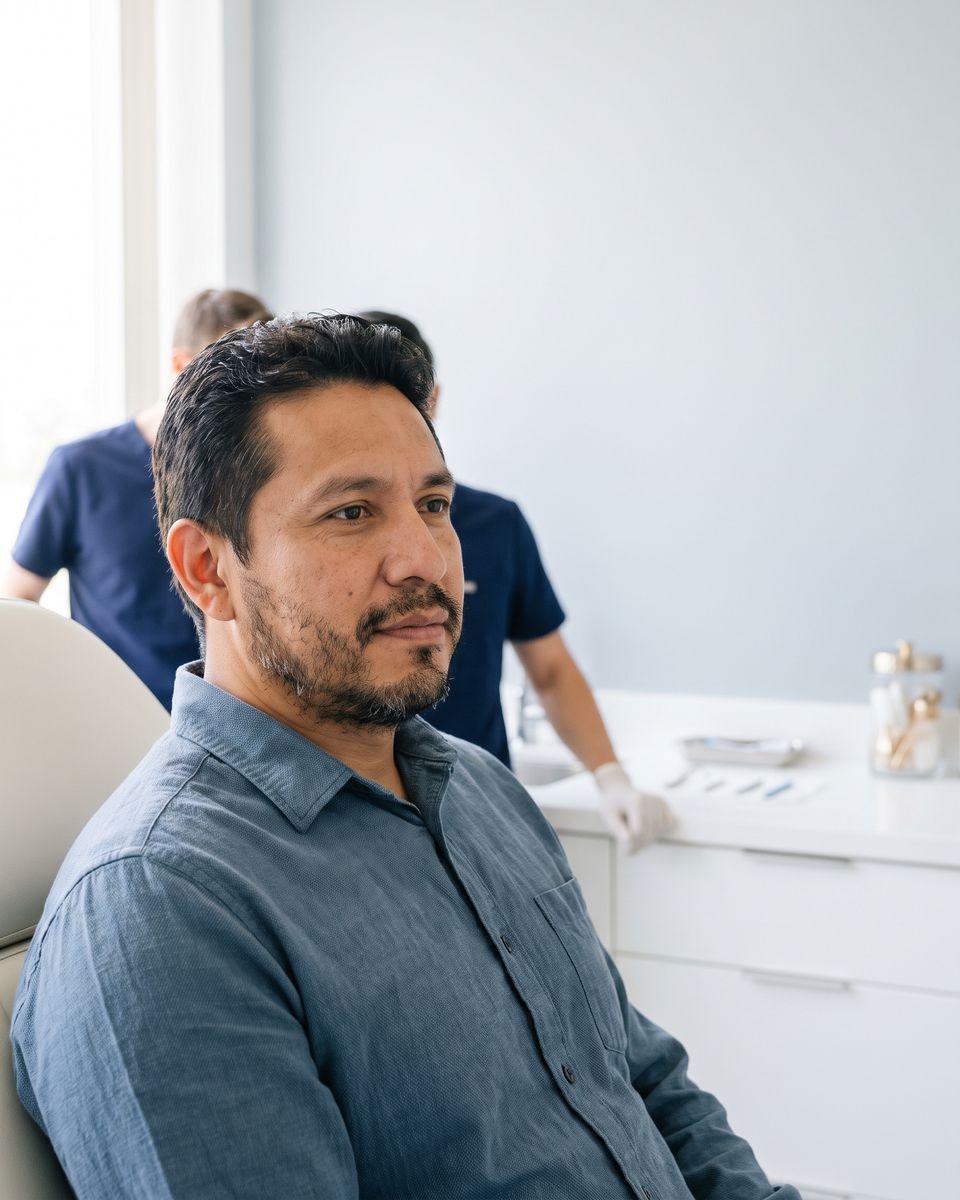
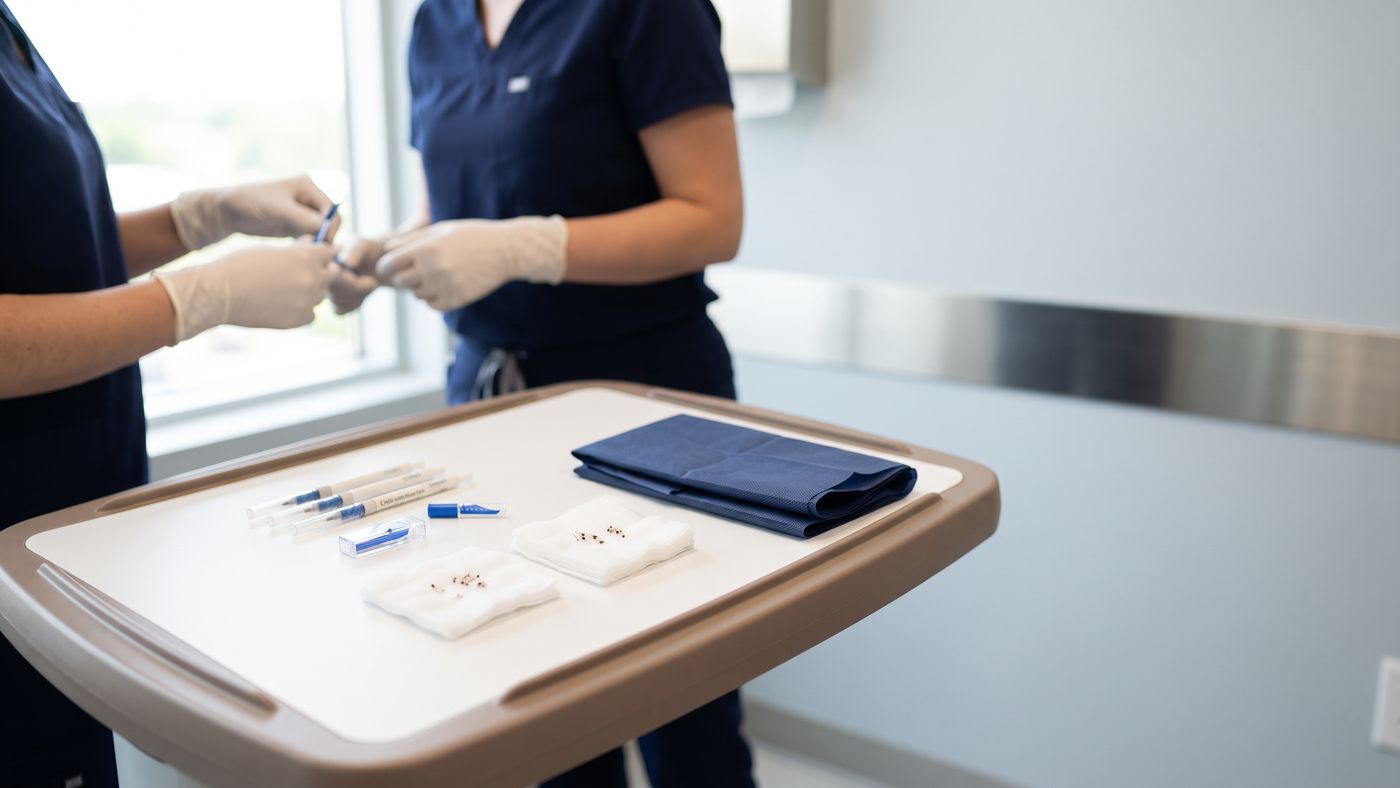
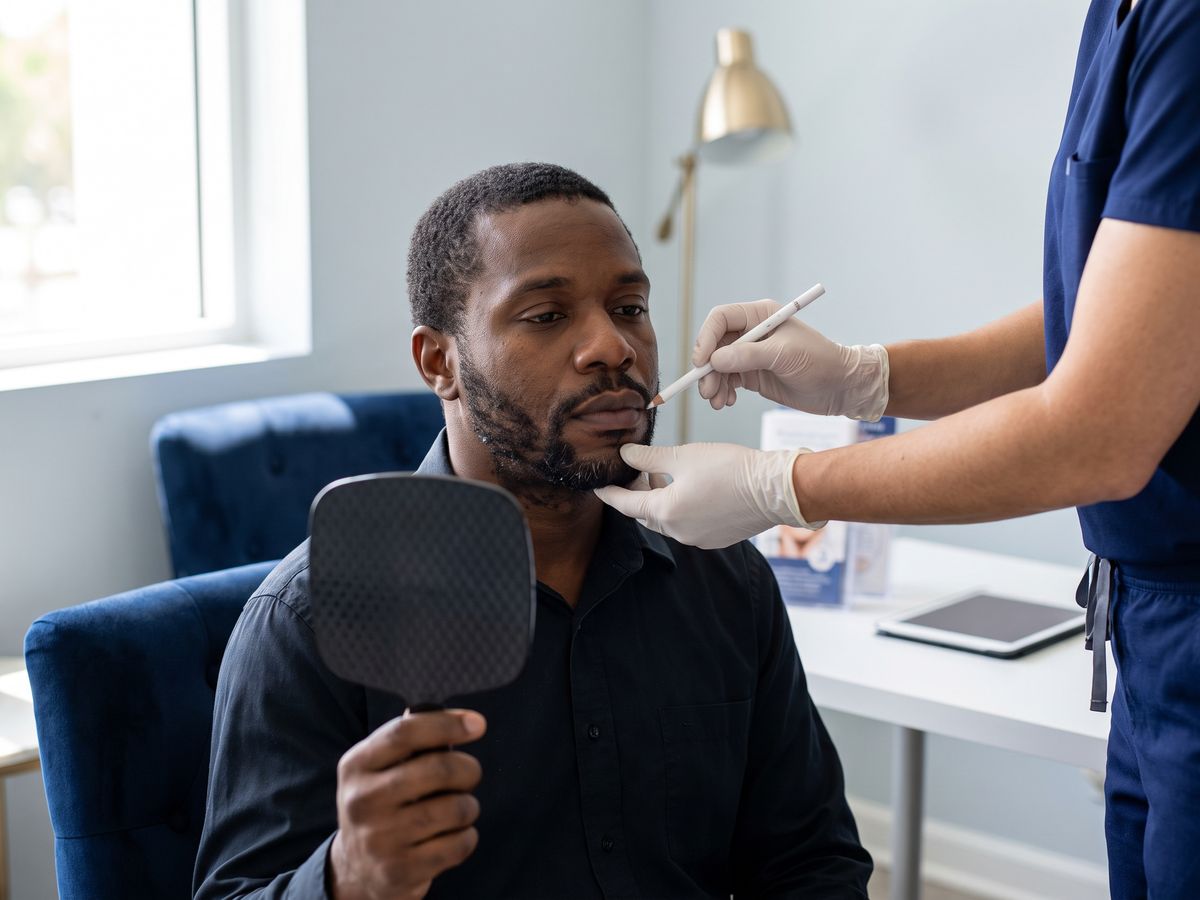
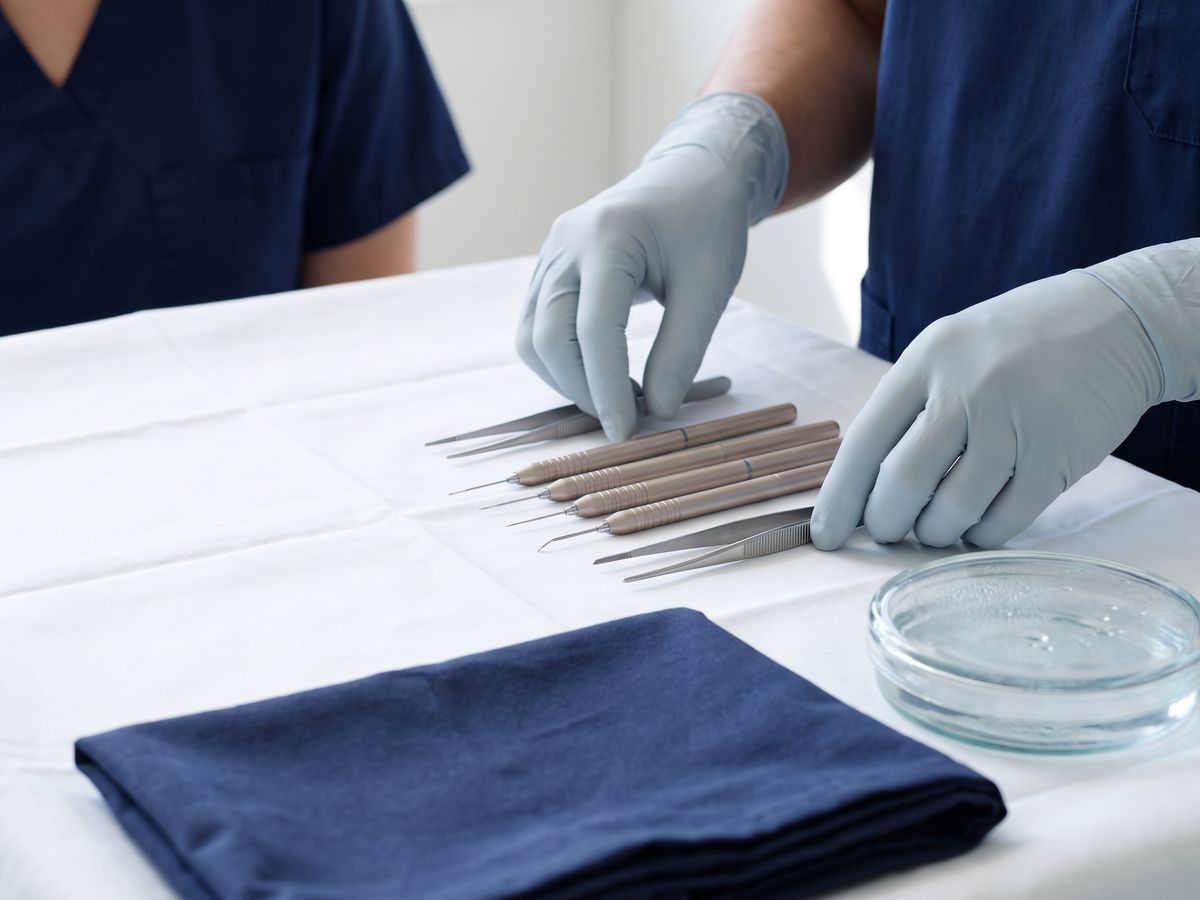
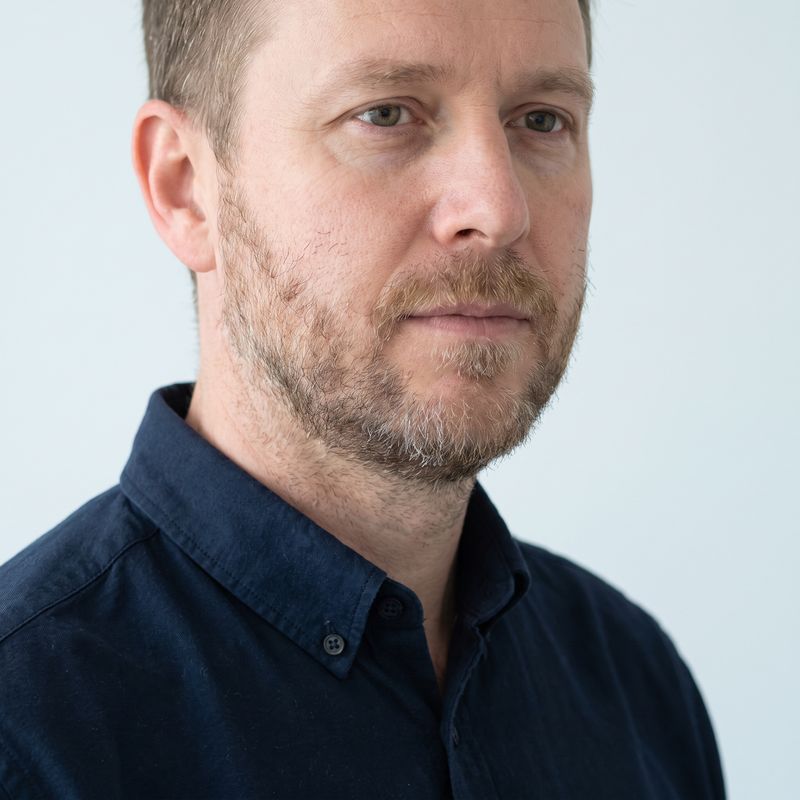
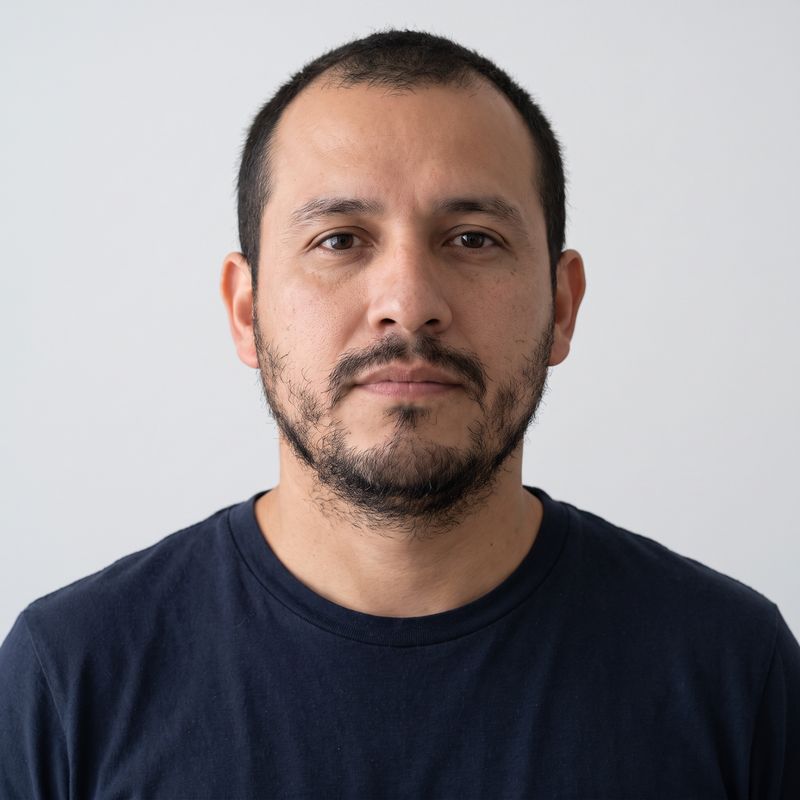
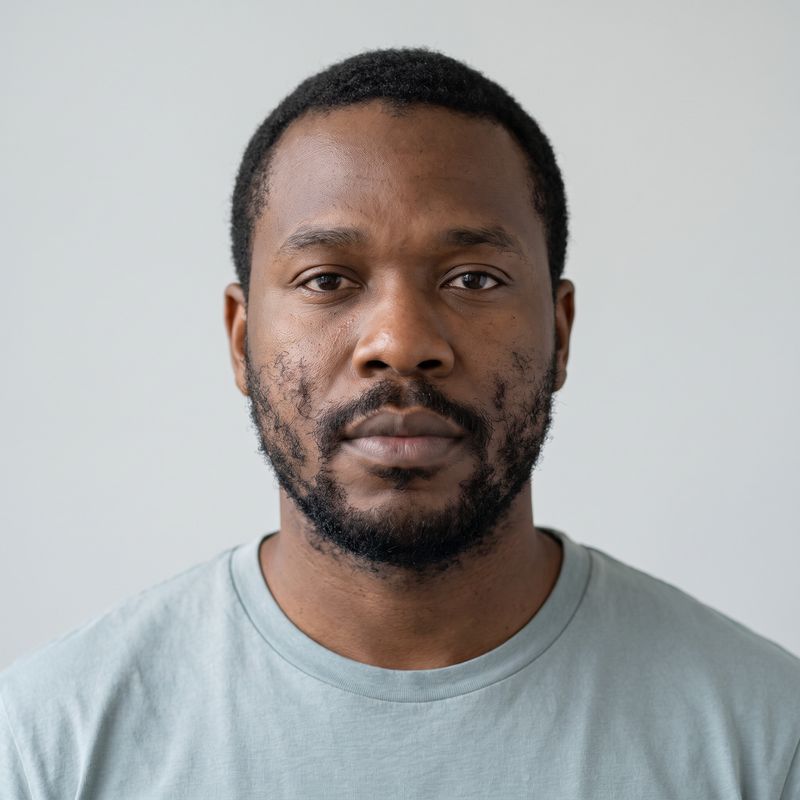
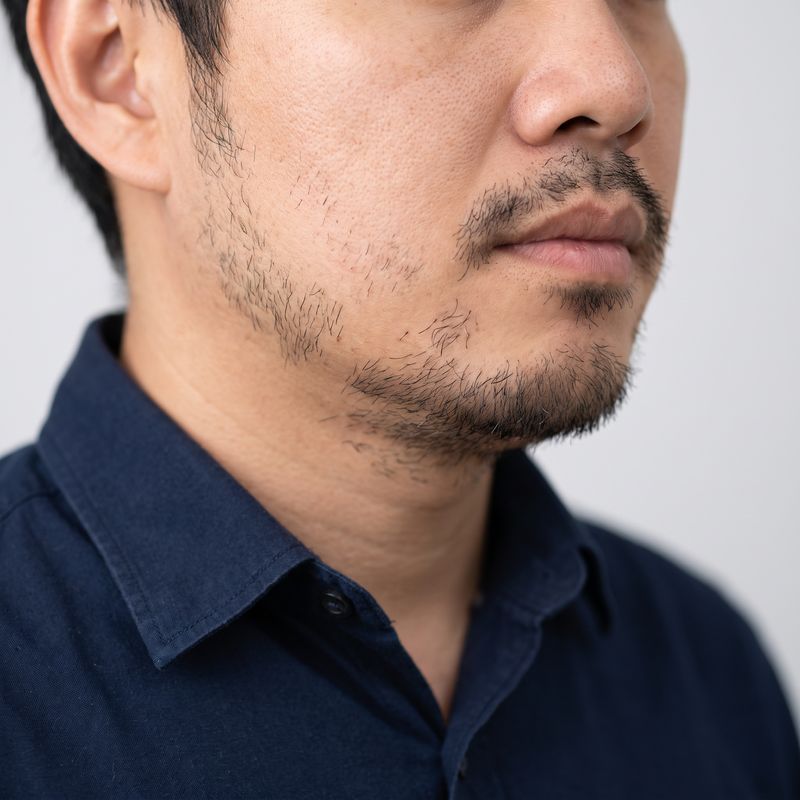
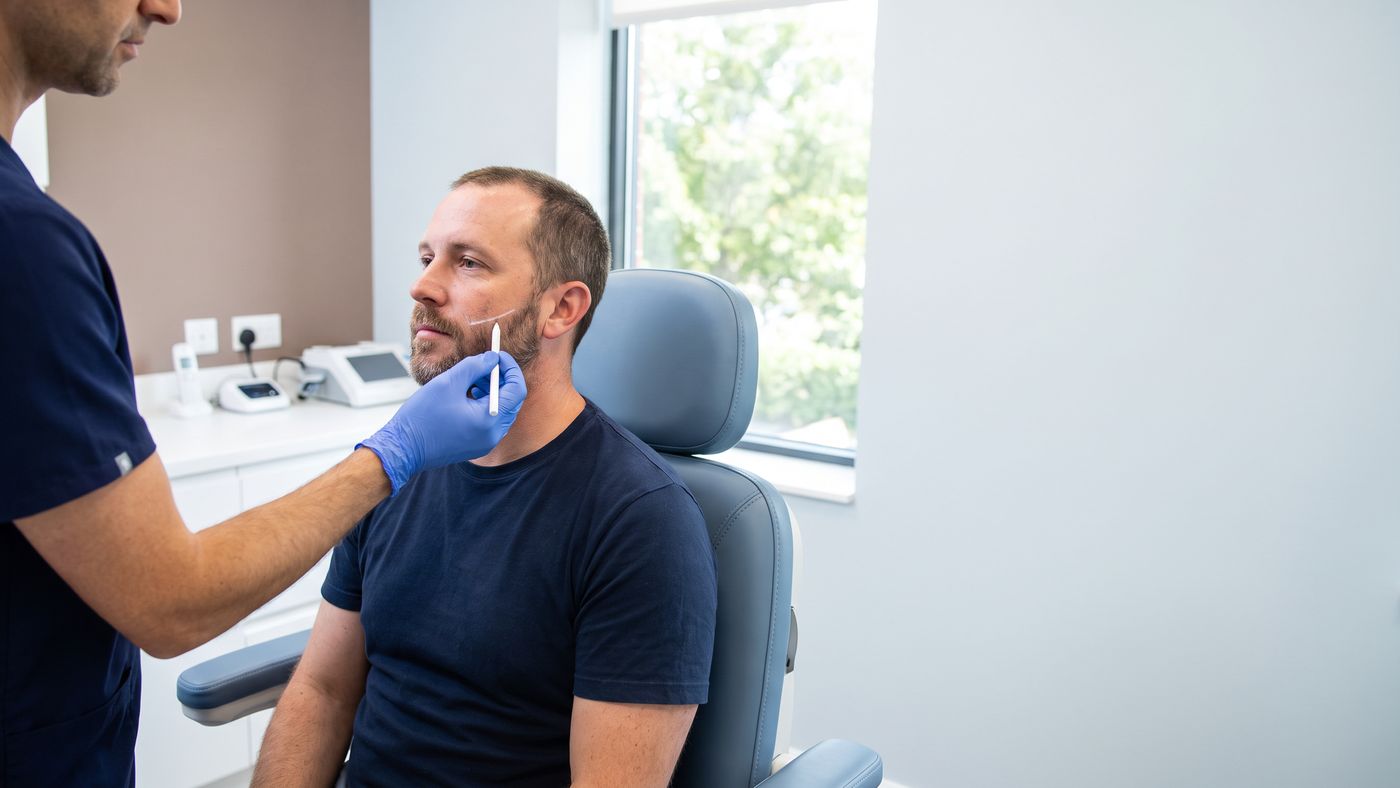
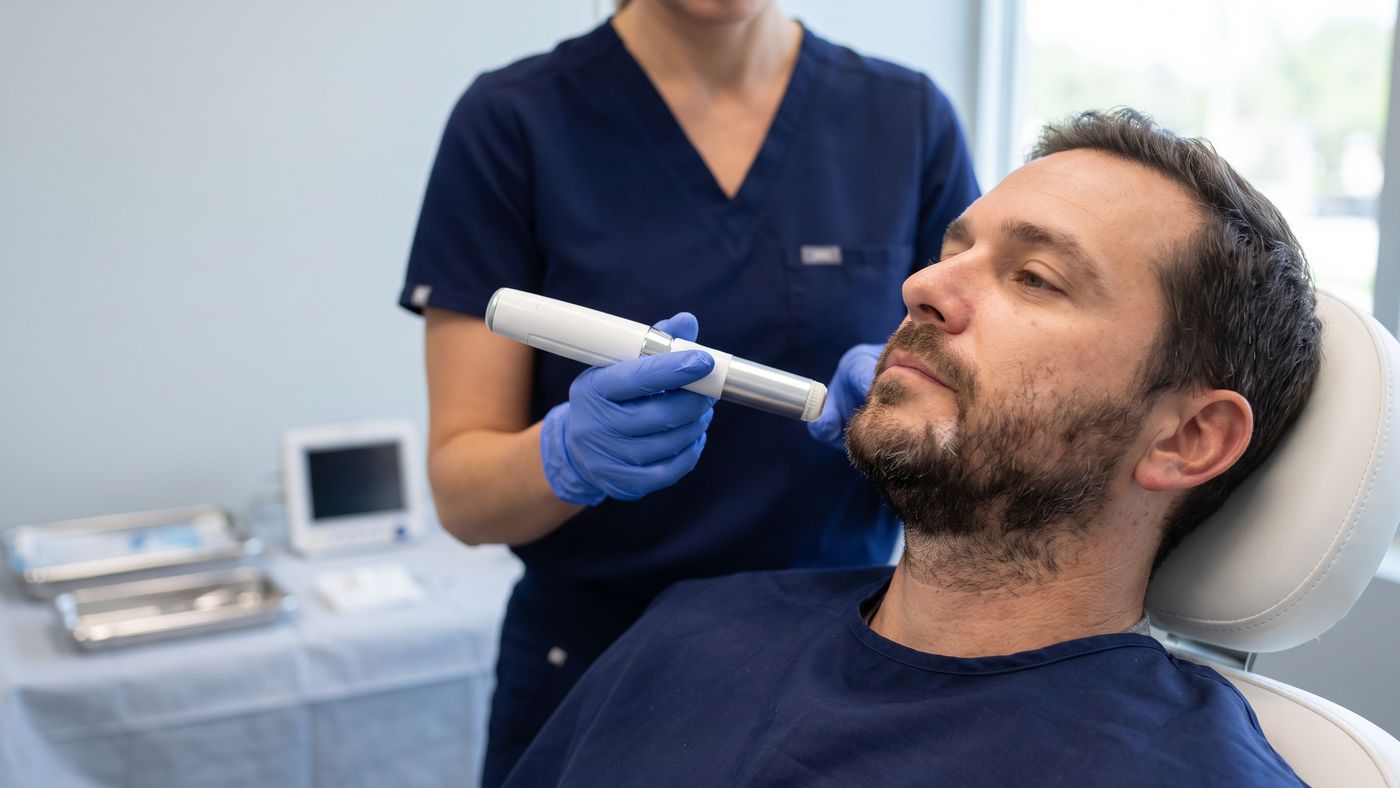
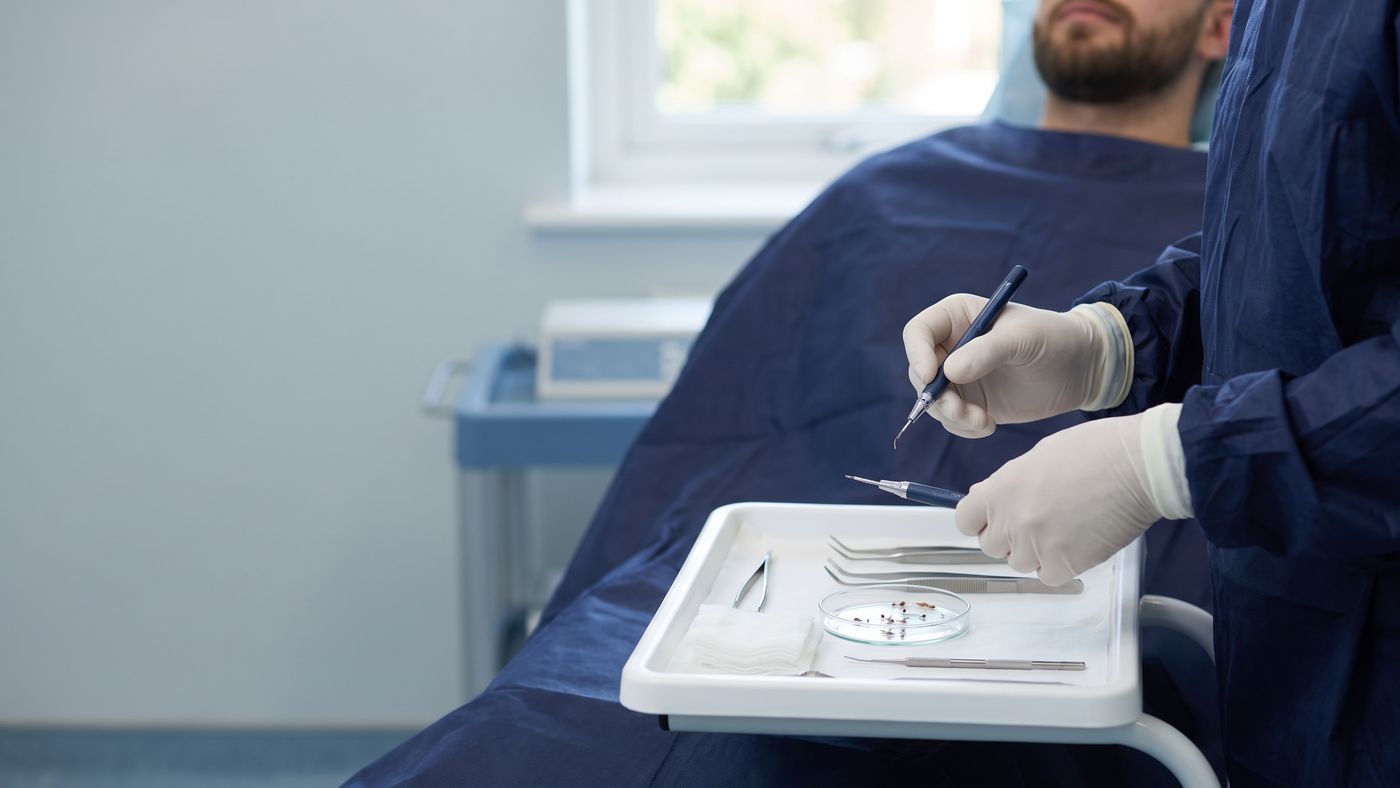
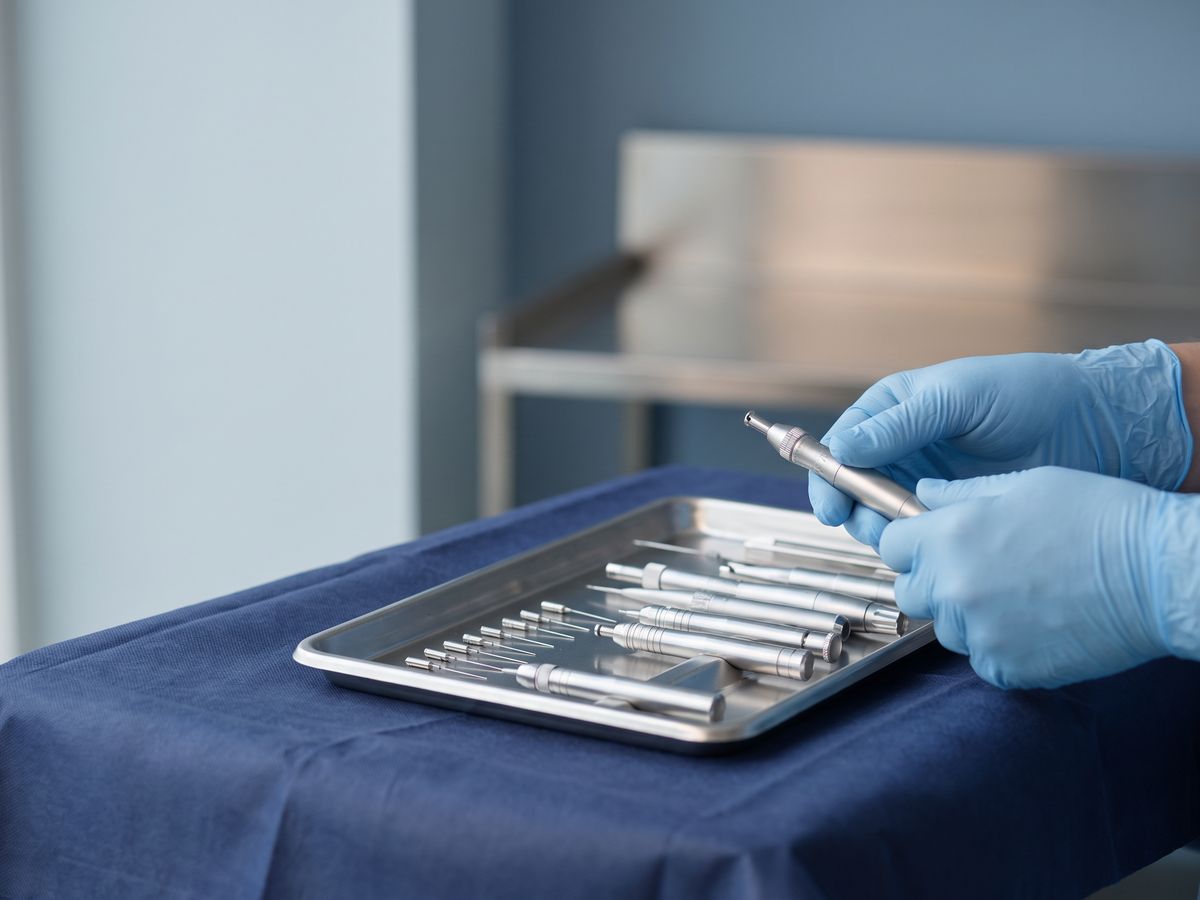
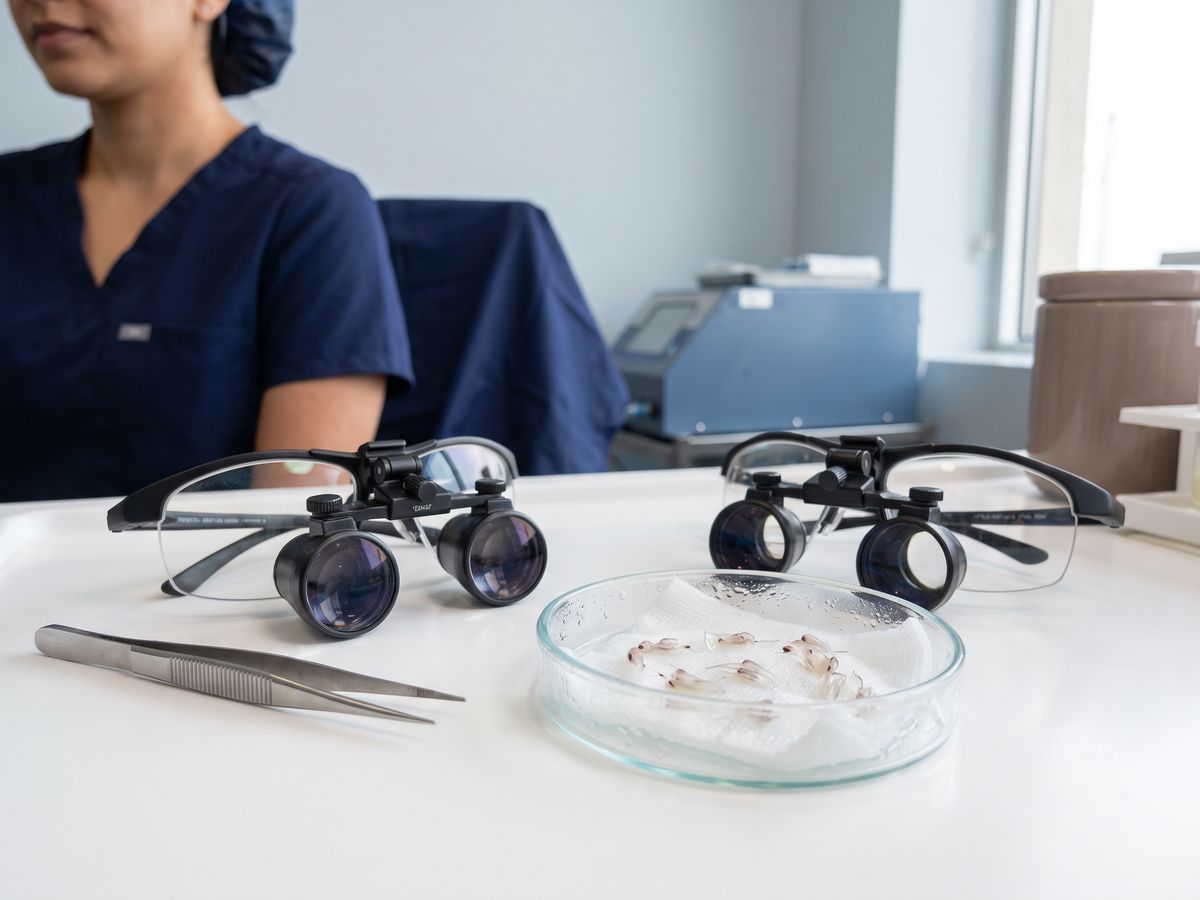
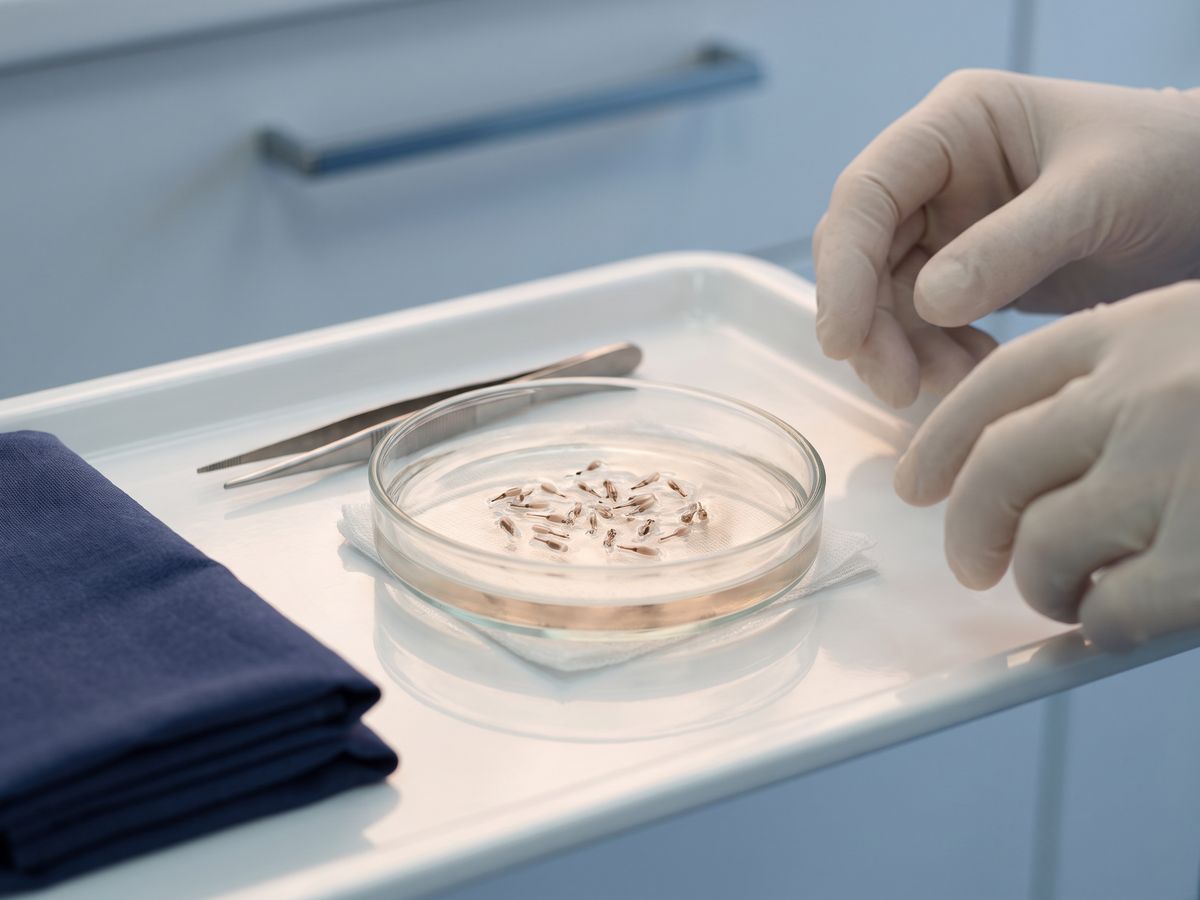
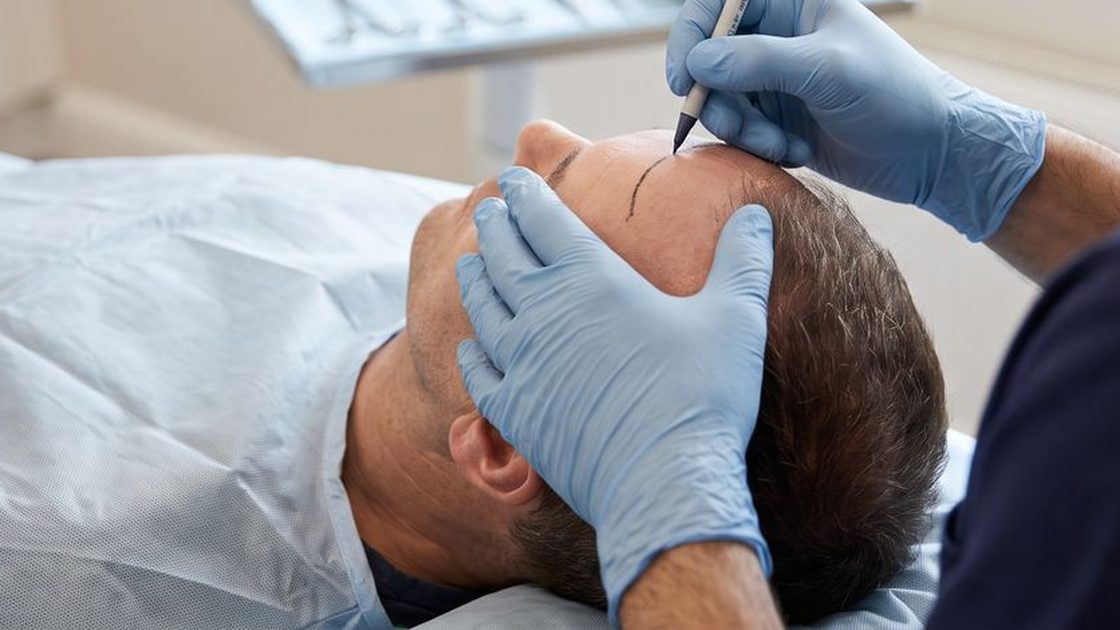
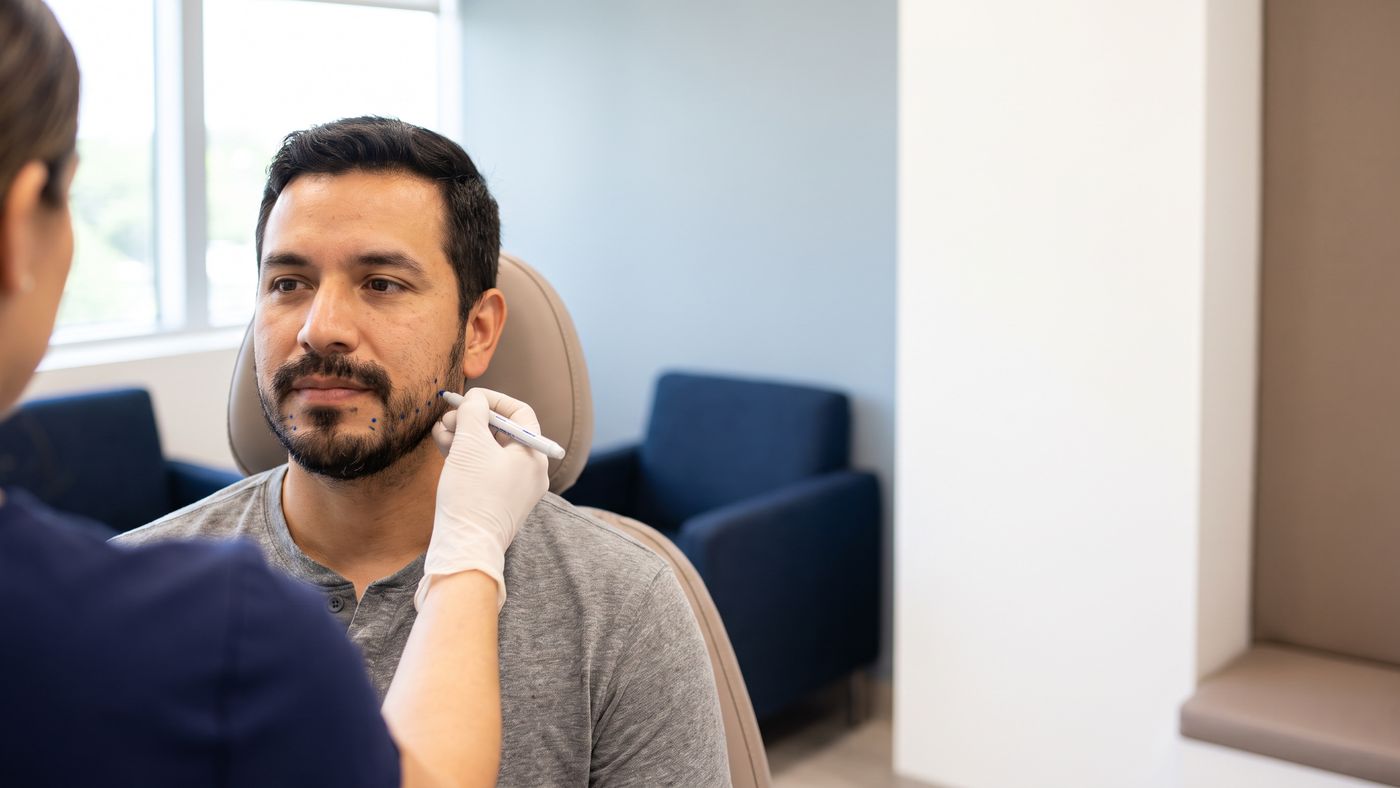
A beard transplant is a procedure that moves hair follicles from the back of the scalp to the face to fill patchy areas, define the cheek line and build a fuller mustache. Each follicle is placed at the exact angle facial hair grows.
A beard transplant fills patchy areas, defines the cheek and neck line and builds a fuller mustache. Grafts are usually taken from the back of the scalp and placed at the precise angle facial hair grows — much flatter than scalp hair.
Beard transplants are among the most requested procedures in Turkey. HAIROCKET's Turkish-trained, Florida-licensed surgeons perform beard and mustache transplants in South Florida, with the same attention to angle and direction.
beard-mustache-overview.jpg · 16:9
Beard & Mustache: an overview of how the procedure works.
Micro-preciseSub-millimeter instruments at your native hair angle.
Natural densityTighter placement for a fuller, even look.
Faster healingLess redness and crusting in week one.
Technique
Beard & Mustache
Duration
4–7 hours
Anesthesia
Needle-free local
Hospital stay
Same-day home
Back to work
3–5 days
Graft survival
90%+
Typical plan
1,000–3,000
Final result
9 months
Turkish expertise · now in America
Beard & Mustache: the Turkish technique, performed in South Florida
Beard transplant demand grew rapidly in Turkey, especially among patients from the Middle East, and Turkish surgeons became experts in designing natural beard lines. Our surgeons bring that beard transplant experience to America under Florida licensure.
Consented results only. We publish before-and-after photos only of HAIROCKET patients who give written consent, taken under the same light and angles, without retouching. Our gallery opens with our first consented cases — until then, ask to see results in patients with hair like yours during your free consultation, and read how to judge before-and-after photos.
Recovery timeline
What to expect, month by month
Day 1
Initial swelling
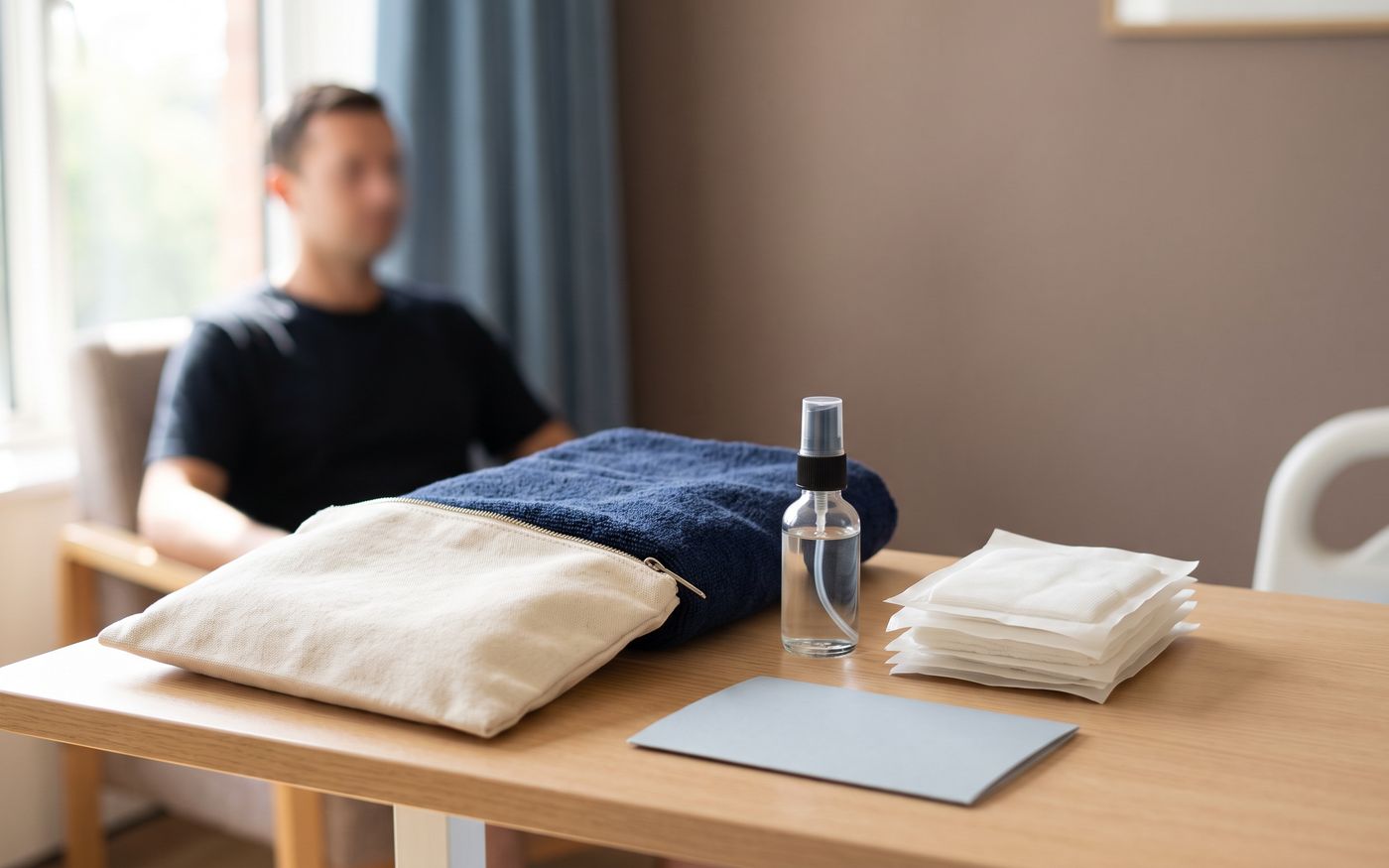
Facial swelling and redness are expected; follow spray and washing instructions.
Healing starts
Days 3–5
Swelling eases
Puffiness usually improves while small crusts remain around grafts.
Early healing
Days 7–10
Crust release
Crusts typically loosen; avoid shaving until cleared around this period.
No shaving yet
Weeks 2–6
Temporary shedding
Transplanted hairs often shed before new growth begins later.
Shedding phase
Month 3–4
New growth
Early beard and mustache growth may appear gradually; results vary.
Growth begins
Month 9–12
Mature result
Density, texture and styling options continue maturing; final outcomes vary.
Maturation
Safety
Risks, side effects & how we minimize them
Common & temporary
Mild swelling for 2–3 days
Redness and small crusts for 7–10 days
Shock loss in months 1–2
Temporary numbness in the donor area
Rare — call us if you notice
Increasing pain after day 3
Fever or spreading redness
Persistent bleeding
Signs of an allergic reaction
Florida-licensed surgeon on site for every procedure
Your surgeon plans your Beard & Mustache procedure, designs the shape with you and personally performs the critical steps. Your written plan names the surgeon who will operate, so you can verify their Florida license before you book.
Verified reviews only. We publish patient reviews only from verified patients, with their written consent. Until then, judge us by what you can check yourself: our surgeons' Florida licenses, real before-and-after results and a written, all-inclusive quote.
In-depth guide
The complete guide to Beard & Mustache
What a beard and mustache transplant can change
A beard and mustache transplant can add hair to patchy areas, strengthen a goatee, fill sideburn gaps, define a cheek line or build a fuller mustache. The goal is not only more hair, but placement that fits your face and grooming style. Results vary based on donor hair, skin characteristics, graft survival, healing and the density that is safely planned.
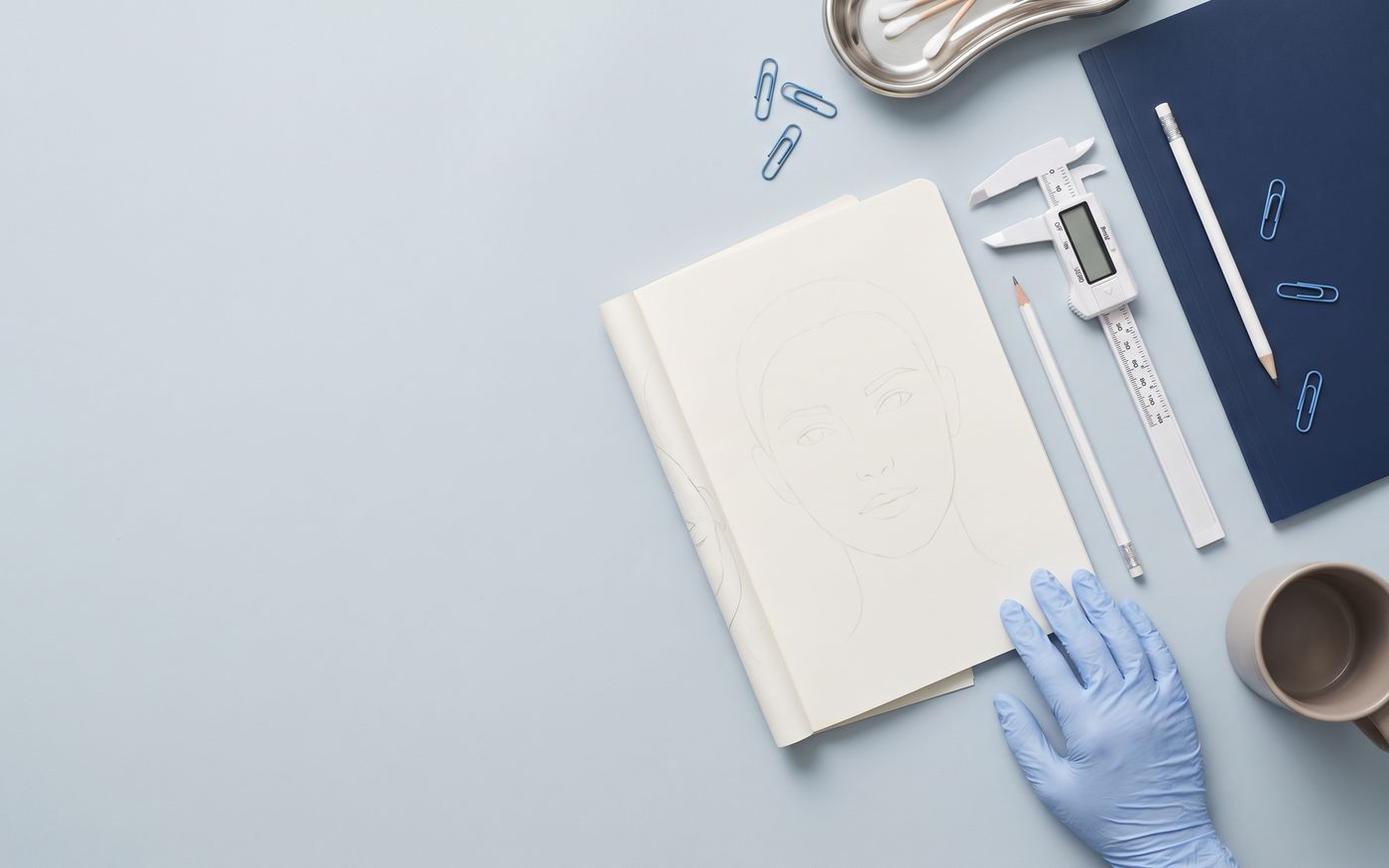
At HAIROCKET in Tamarac, Florida, Turkish-trained, Florida-licensed surgeons perform facial hair restoration with attention to the flatter growth pattern of beard hair. The design is discussed before surgery, including where density is most important and where a softer transition may look more natural.
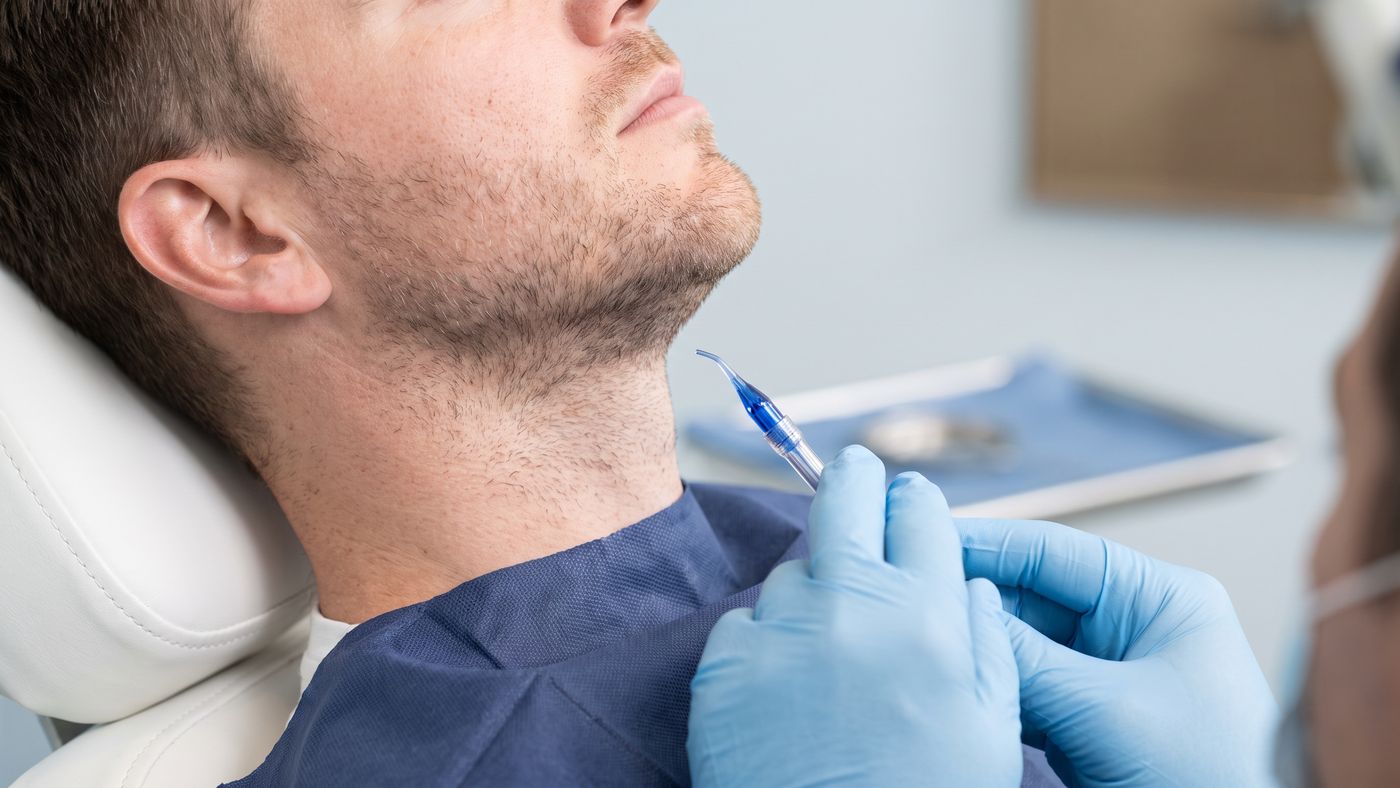
beard-mustache-guide-1.jpg · 16:9
What a beard and mustache transplant can change
How grafts are planned for the face
Most beard and mustache cases use donor grafts from the back of the scalp. In selected cases, hair from under the chin may also be considered. A typical plan may involve 1,000–3,000 grafts, depending on whether the goal is patch repair, mustache work, jawline definition or broader beard coverage.
Facial hair usually looks more natural when single-hair grafts are used in visible areas. Your surgeon separates the plan into zones, such as mustache, chin, cheeks and sideburns, because each area has a different direction and spacing. This planning helps avoid a uniform or plug-like appearance.
Why angle and direction matter
Beard hair exits the skin at a much flatter angle than scalp hair. For that reason, the recipient sites are made very low to the skin and follow the natural direction of nearby facial hair. Mustache hair, cheek hair and jawline hair often point in different directions, even on the same face.
This is one reason beard transplant surgery requires careful artistic and technical planning. The graft must be placed in the correct location, but also at the right angle and orientation. When outcomes are discussed, it is important to understand that healing, growth and final density vary from person to person.
Recovery after facial hair transplant
Local anesthesia is used during the procedure. Afterward, facial swelling can occur for a few days, especially around the cheeks and lower face. Small crusts form where grafts were placed and usually remain for about 7–10 days. You will receive instructions for gentle washing, sleeping position and what to avoid while grafts settle.
You should not shave the treated facial area for about 7–10 days, or until your surgeon clears you. Many transplanted hairs shed during weeks 2–6, which is expected. New growth commonly starts around month 3, with maturation continuing toward months 9–12. Results vary.
Cost, graft range and consultation
Beard and mustache transplants at HAIROCKET use the same fixed-price packages as scalp transplants — Essential $5,500, Signature $5,750 or Elite $8,000 — whether the mustache is treated alone or combined with beard zones. Your consultation includes a review of donor supply, facial hair pattern and realistic density planning.
During your visit in Tamarac, your surgeon will discuss whether your goals match what your donor hair can safely provide. A focused patch-fill case is different from building a fuller beard across the cheeks and jaw. The plan should balance appearance, donor preservation and long-term grooming flexibility.
Glossary
Terms you'll hear
Graft
A follicular unit containing 1–4 hairs, moved as one piece.
Donor area
The back and sides of the scalp, where hair is genetically resistant to loss.
Recipient area
The thinning or bald area where grafts are implanted.
Norwood scale
A 7-stage classification of male pattern hair loss.
Ludwig scale
A 3-stage classification of female pattern hair loss.
Shock loss
Temporary shedding of hair after surgery; it regrows.
Graft survival
The percentage of transplanted grafts that grow.
Hairline design
Planning the shape and irregularity of the frontal hairline.
Questions
Beard & Mustache FAQ
How many grafts does a beard transplant need?
A full beard transplant often needs 2,000–3,000 grafts; filling patches may need 1,000 or fewer.
Can I shave after a beard transplant?
Yes, usually after about 10 days. Transplanted beard hair grows like normal facial hair.
Is a mustache transplant separate?
It can be done alone or as part of a full beard transplant.
Where do the donor hairs come from for a beard transplant?
Most grafts come from the back of the scalp because that area often provides reliable donor hair. In some cases, under-chin hair may be considered. Your surgeon will choose donor areas based on hair quality, availability and the facial zones being treated.
How many grafts are typical for beard and mustache work?
Many beard and mustache plans fall around 1,000–3,000 grafts. Smaller patch repairs may need less, while cheek, jawline and mustache coverage may need more. Your exact number is based on design, donor supply and safe density.
Can a mustache transplant be done without a full beard transplant?
Yes. A mustache transplant can be planned on its own or combined with beard areas such as the chin, goatee or connectors. The design depends on your natural growth pattern, preferred style and available donor hair.
When can I shave after a beard transplant?
You should avoid shaving the treated facial area for about 7–10 days, or until your surgeon clears you. Early shaving can disturb crusts or grafts. After healing, your team will explain how to resume trimming or shaving.
Is swelling normal after a beard or mustache transplant?
Yes. Facial swelling can happen for a few days after surgery, especially around the cheeks, jaw or lower face. Keeping your head elevated and following aftercare instructions can help. Contact the clinic if swelling is severe or worsening.
Will the transplanted beard hairs shed?
Temporary shedding is common during weeks 2–6 after a facial hair transplant. This does not necessarily mean the grafts failed. New growth often begins around month 3, with continued maturation through months 9–12. Results vary.
Will transplanted scalp hair grow like beard hair?
Transplanted hair keeps many donor characteristics, but it can be trimmed, shaved and styled as facial hair after healing. Texture may evolve over time. Careful single-hair placement and flat angles help it blend better, though results vary.
What is the starting price for this procedure?
Beard and mustache transplants use the same fixed-price packages: Essential $5,500, Signature $5,750 or Elite $8,000. A consultation is needed to confirm candidacy and create a safe, realistic treatment plan.
Turkish hair transplant expertise — now in America.
Turkey became the world's hair transplant capital by performing more procedures, with more refined techniques, than anywhere else. HAIROCKET brings that expertise to South Florida — Turkish-trained surgeons, licensed in Florida, working to U.S. medical standards. Same artistry. No 10-hour flight.