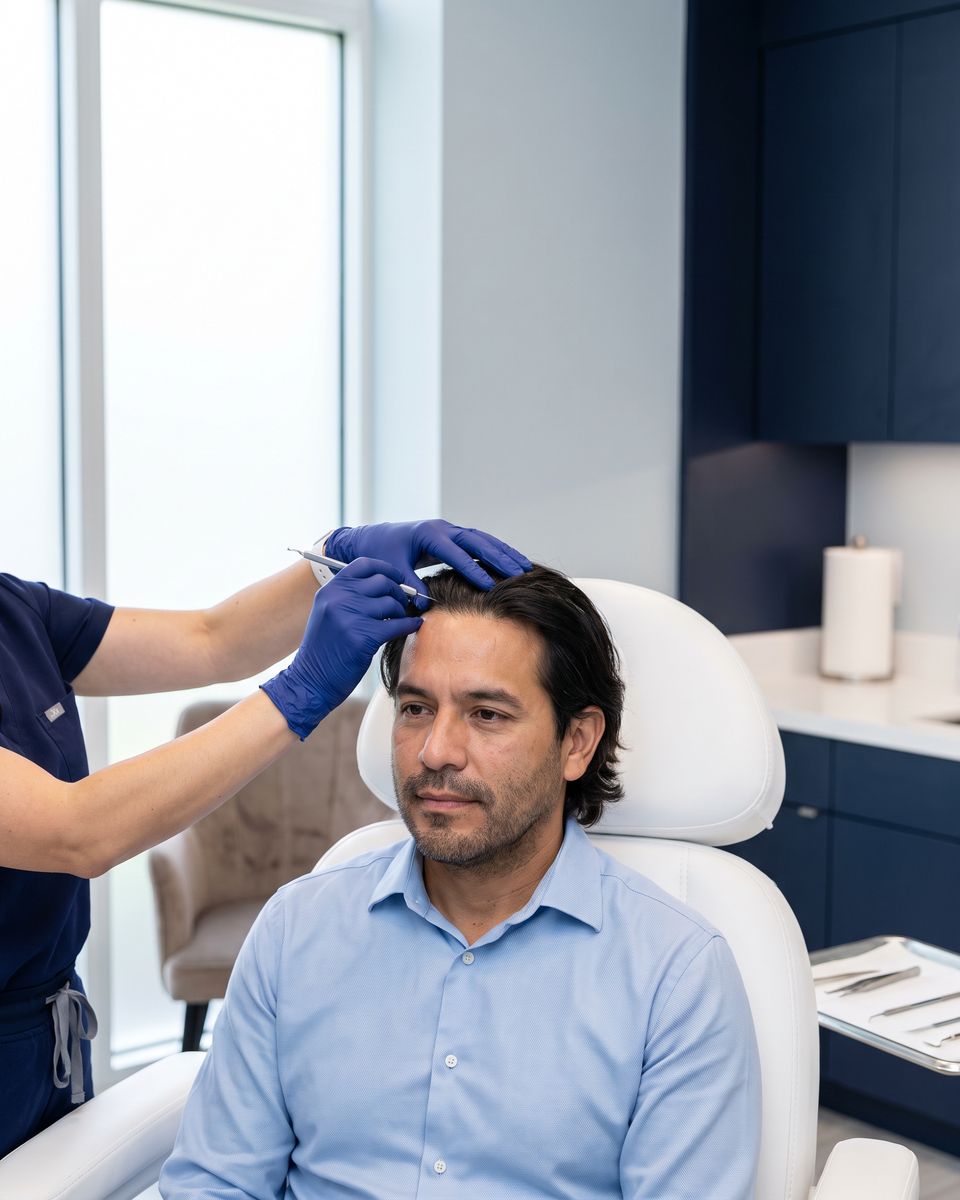
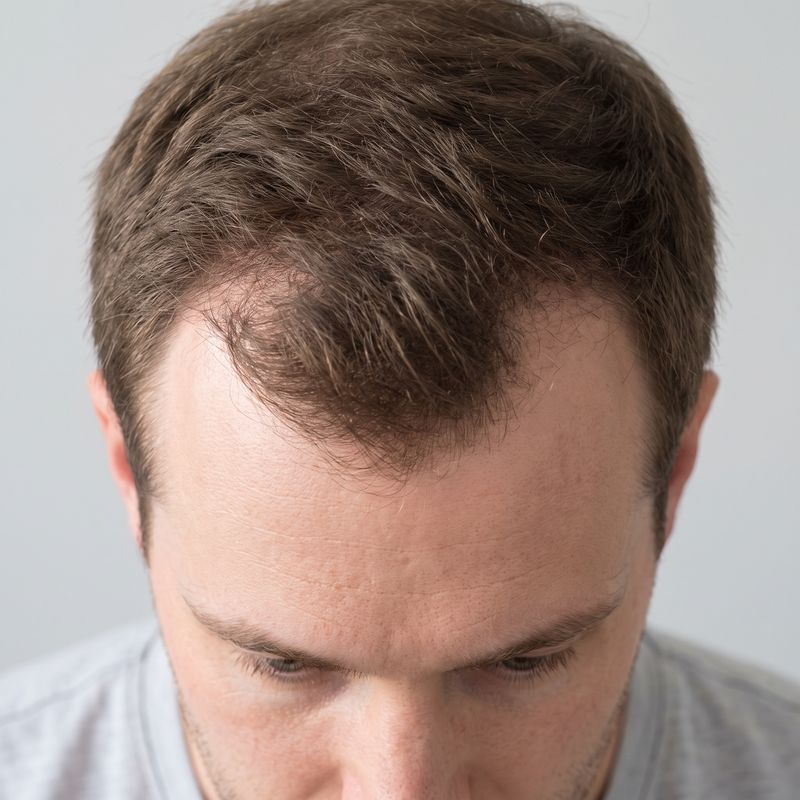
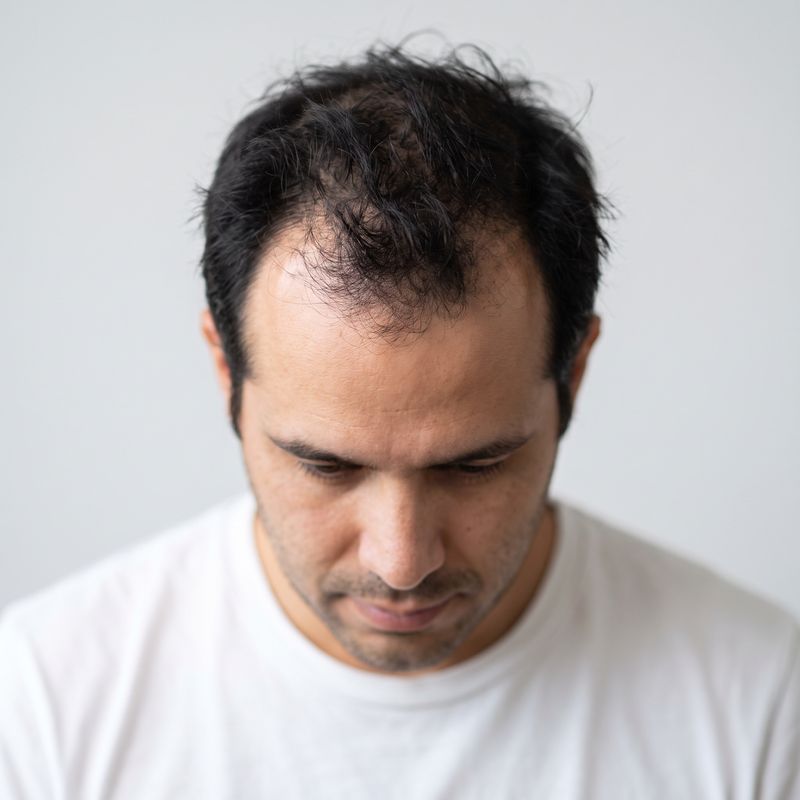
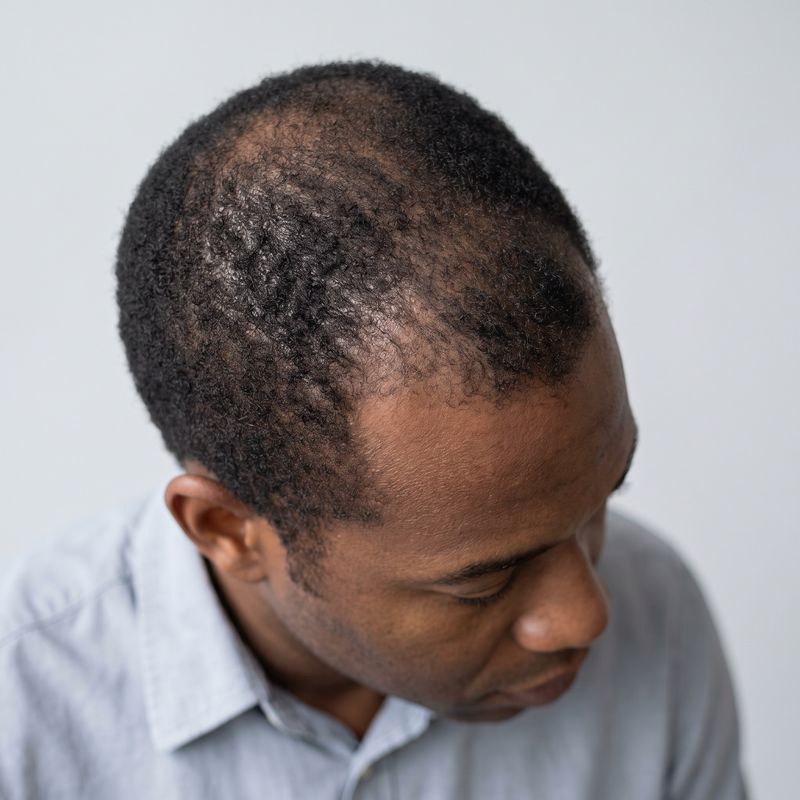
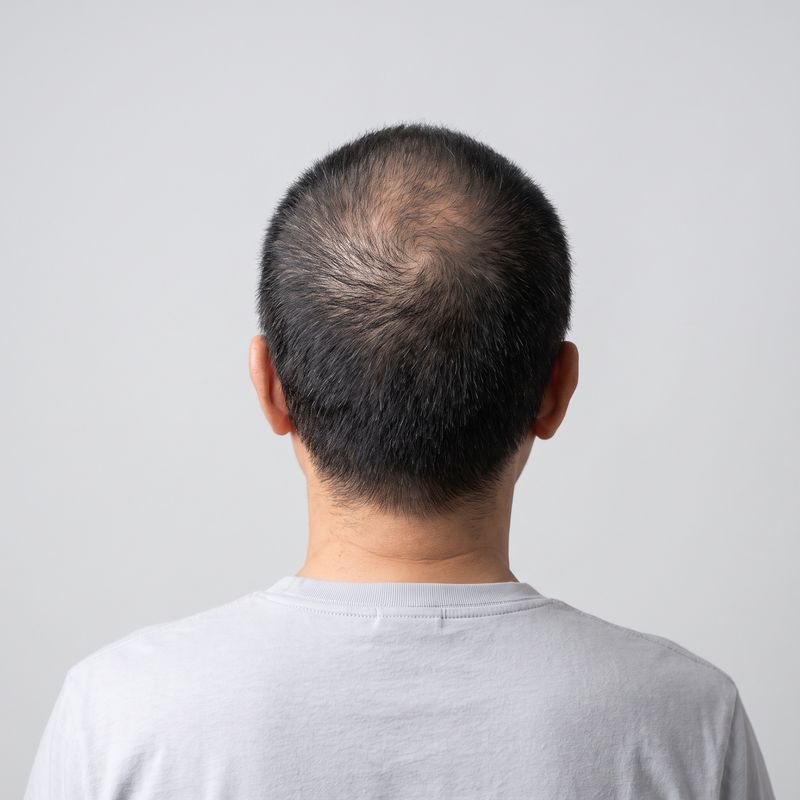
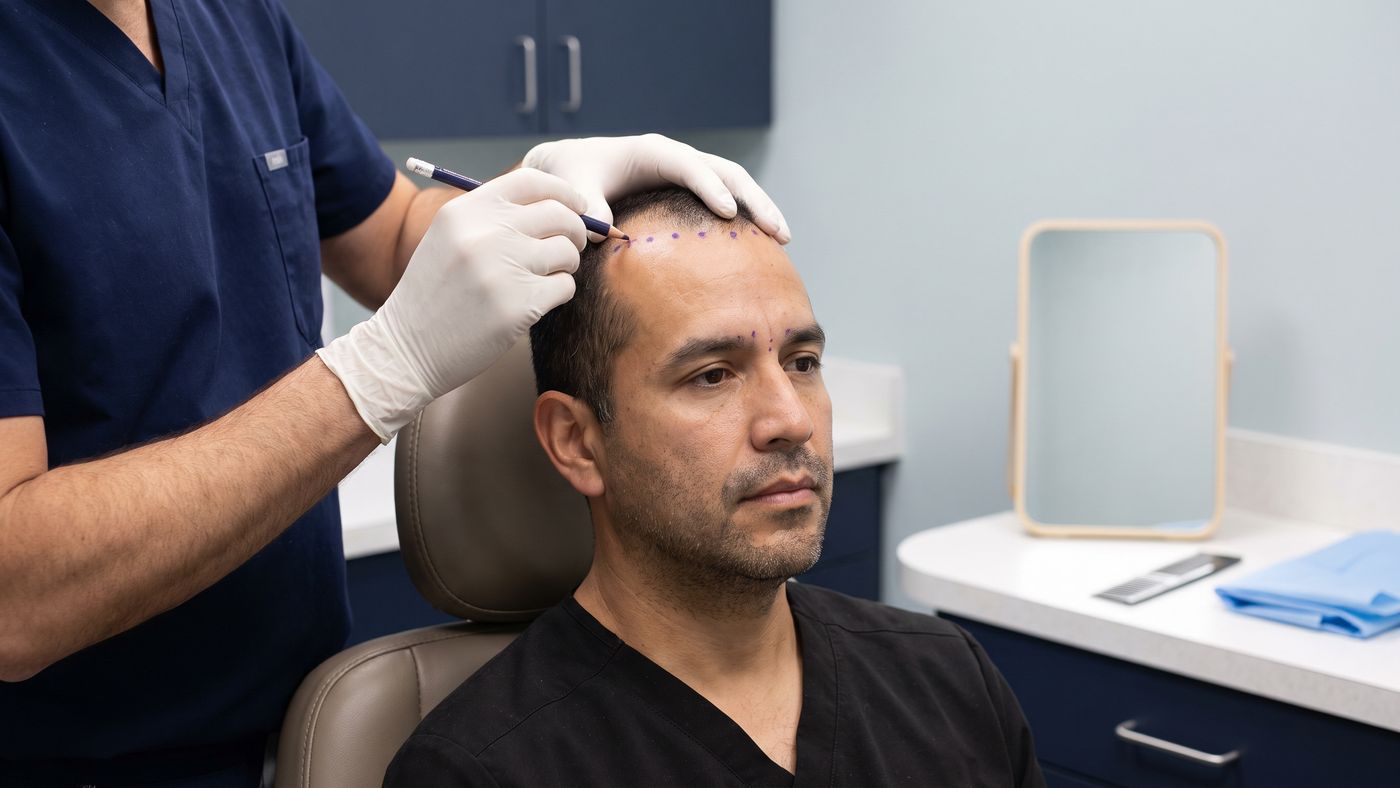
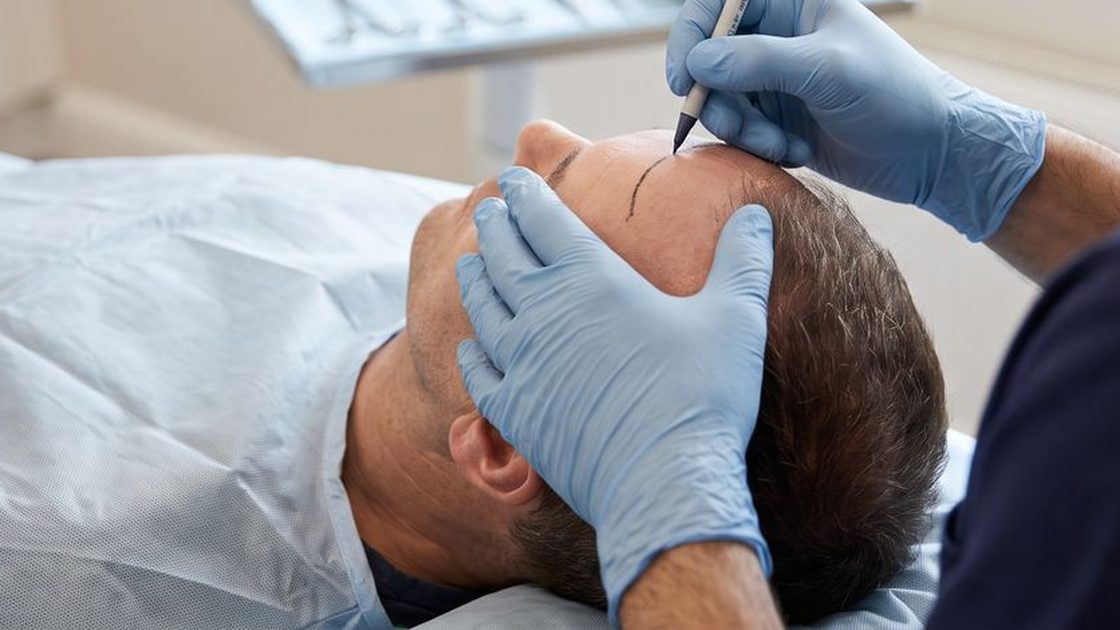
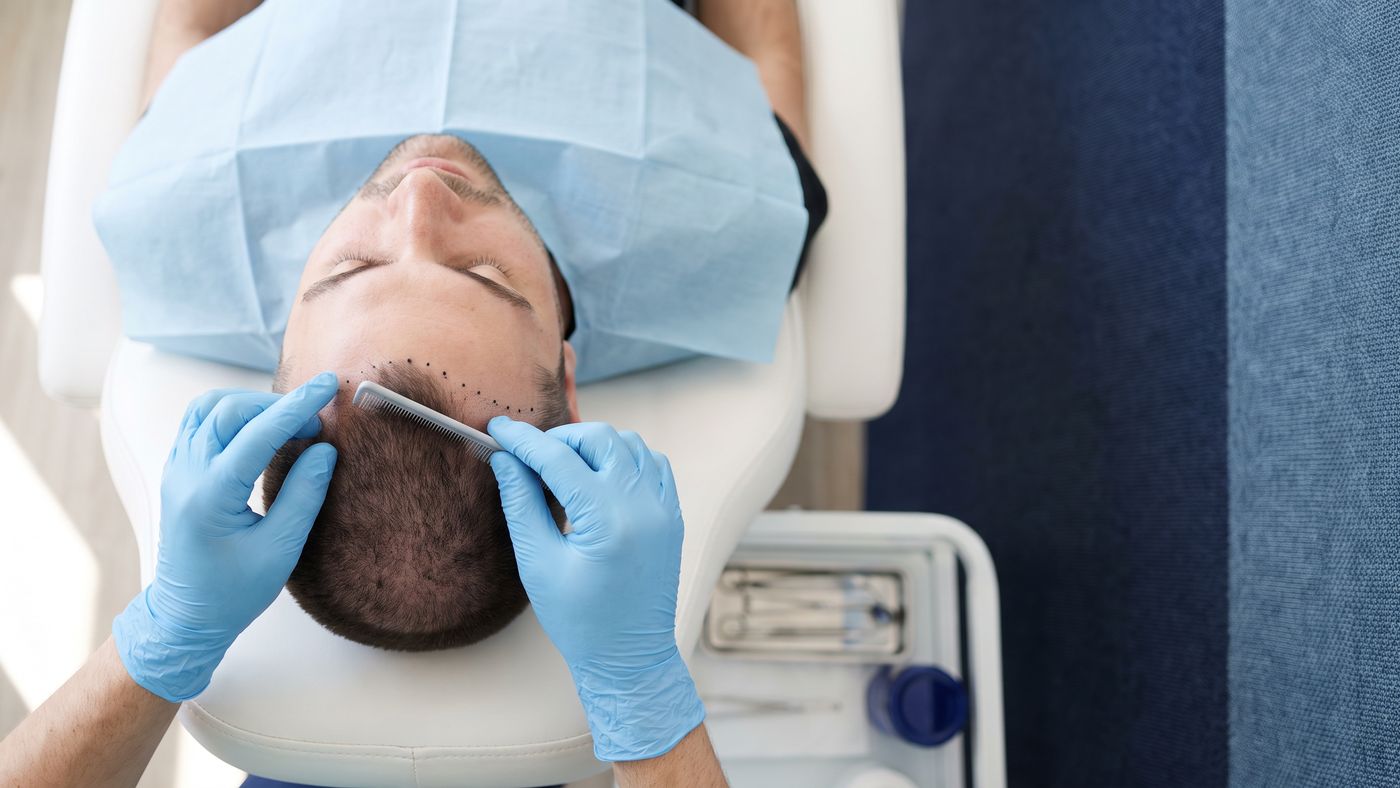
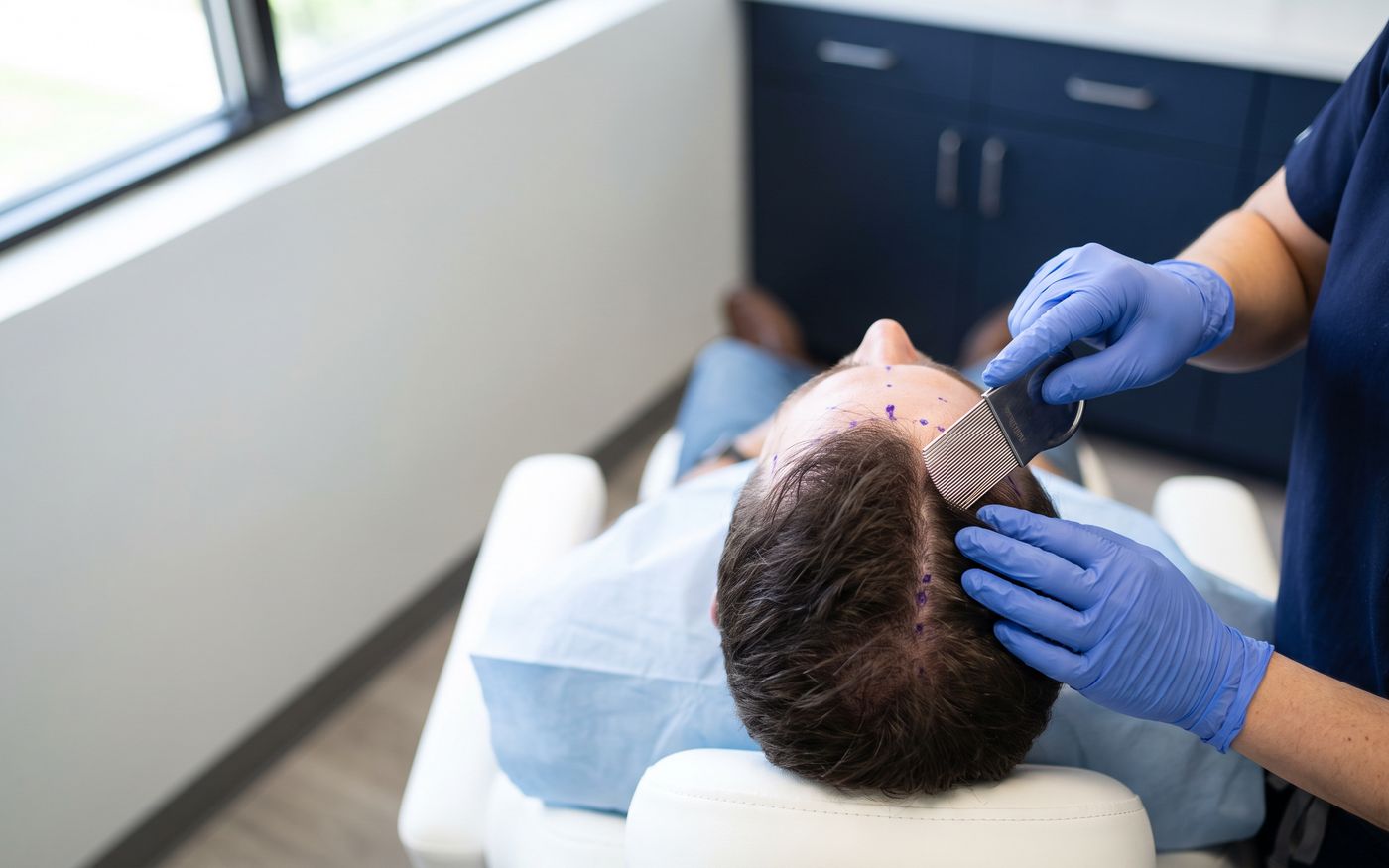
Unshaven FUE is a hair transplant performed without shaving your whole head — grafts are taken from small, hidden donor strips and placed between your existing hair. Keep your length and return to work and social life within days, with no visible sign that you had a procedure.
Unshaven FUE is a hair transplant performed without shaving your whole head. Only small, hidden strips in the donor area are trimmed, and grafts are placed between your existing hairs — so you can return to work or social life within days, with no visible sign you had a procedure.
Turkish clinics perfected unshaven FUE for professionals and women who couldn't take weeks off. HAIROCKET's Turkish-trained, Florida-licensed surgeons offer unshaven FUE in South Florida, so you don't have to fly abroad to recover discreetly.
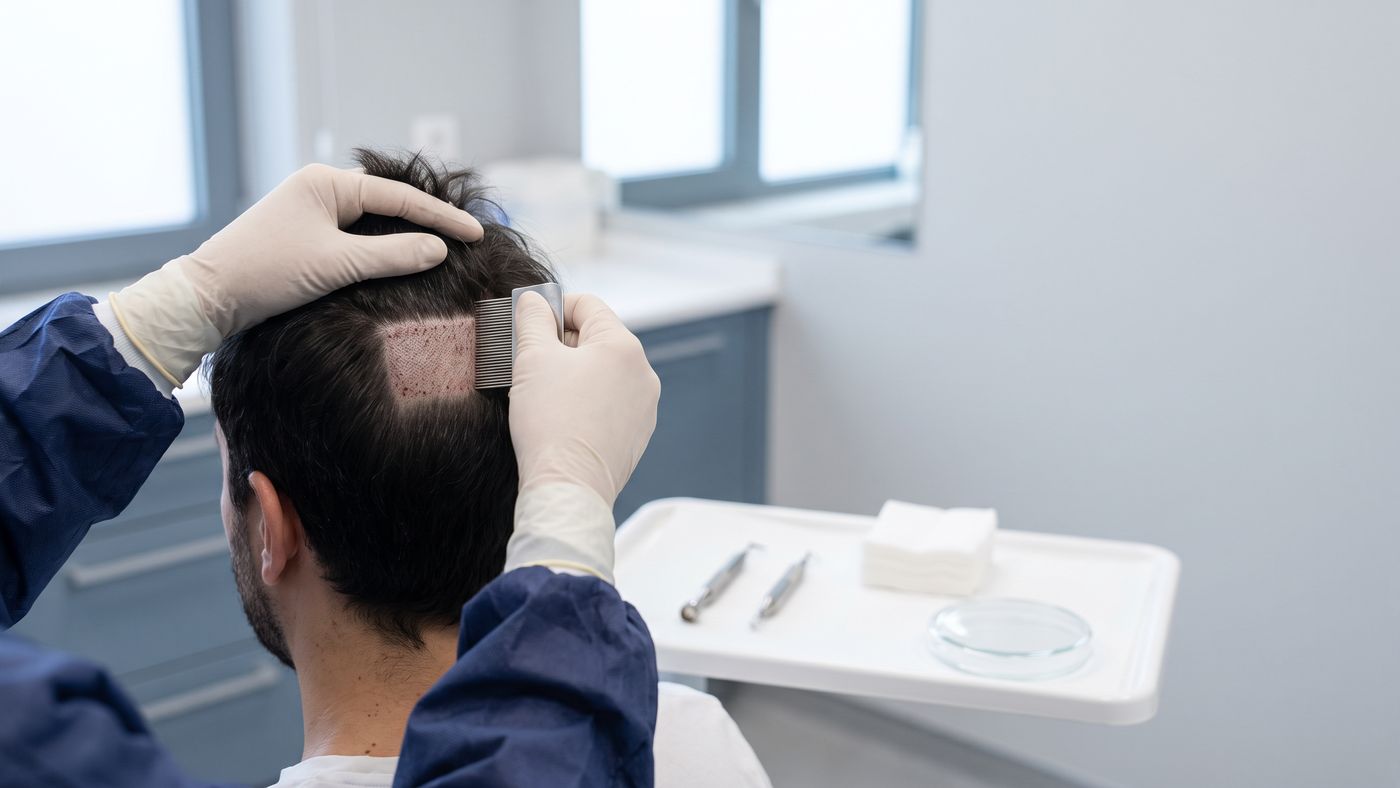
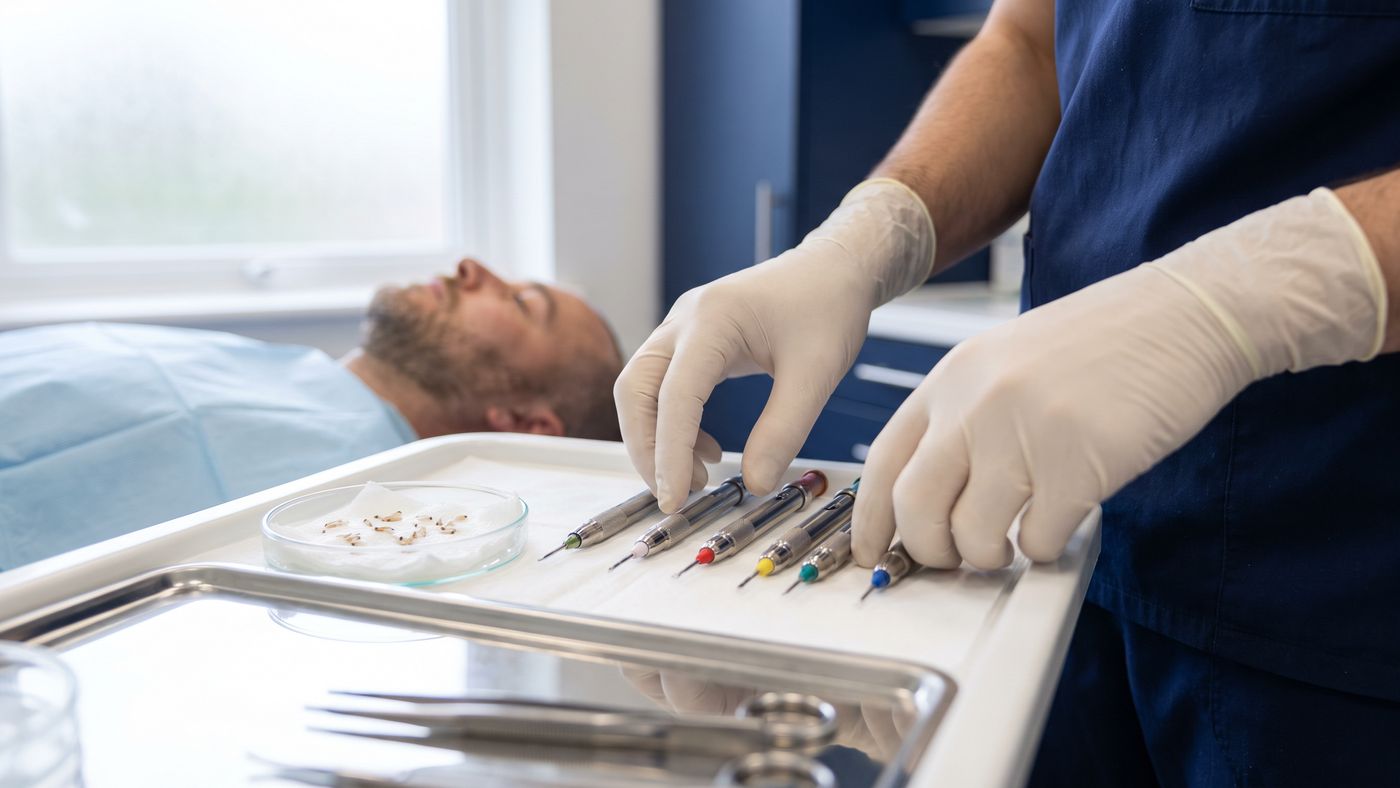
unshaven-fue-overview.jpg · 16:9
Unshaven FUE: an overview of how the procedure works.
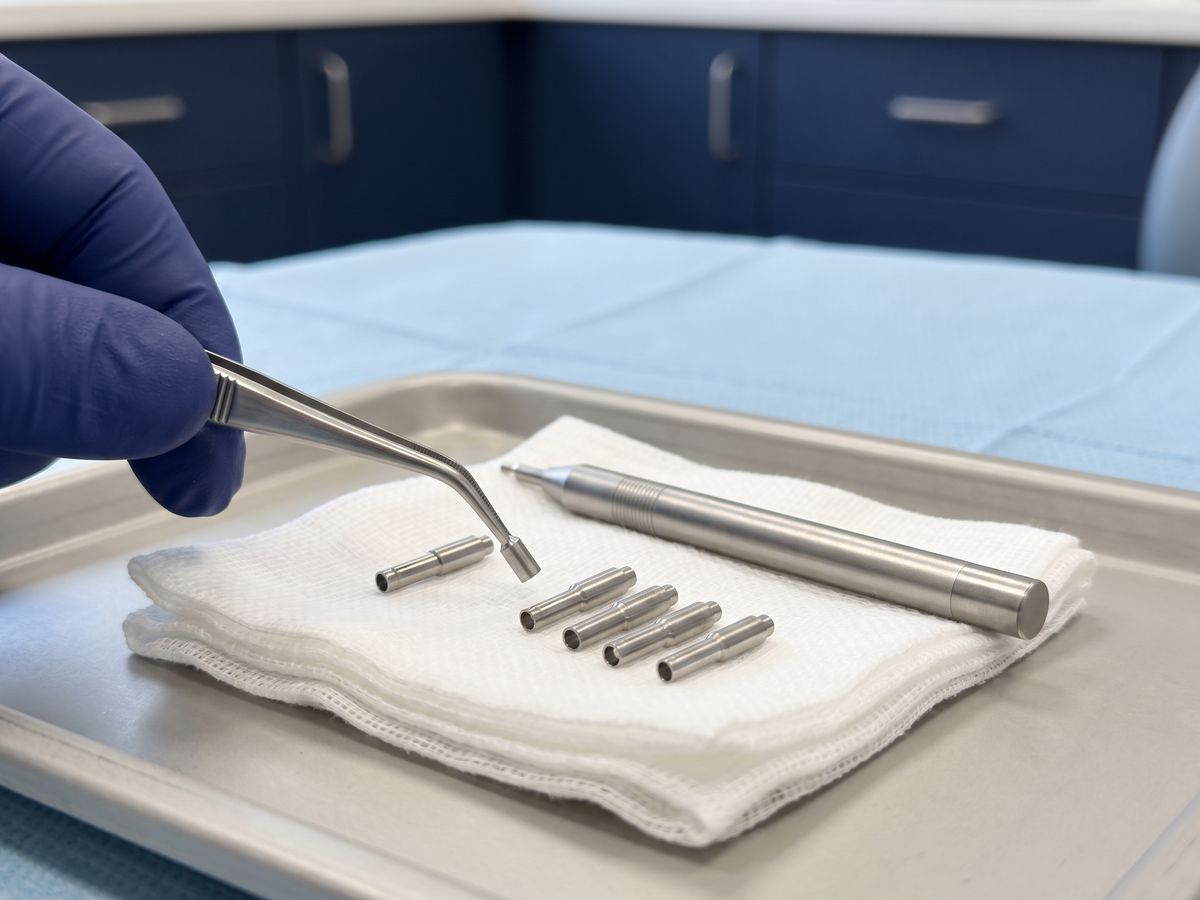
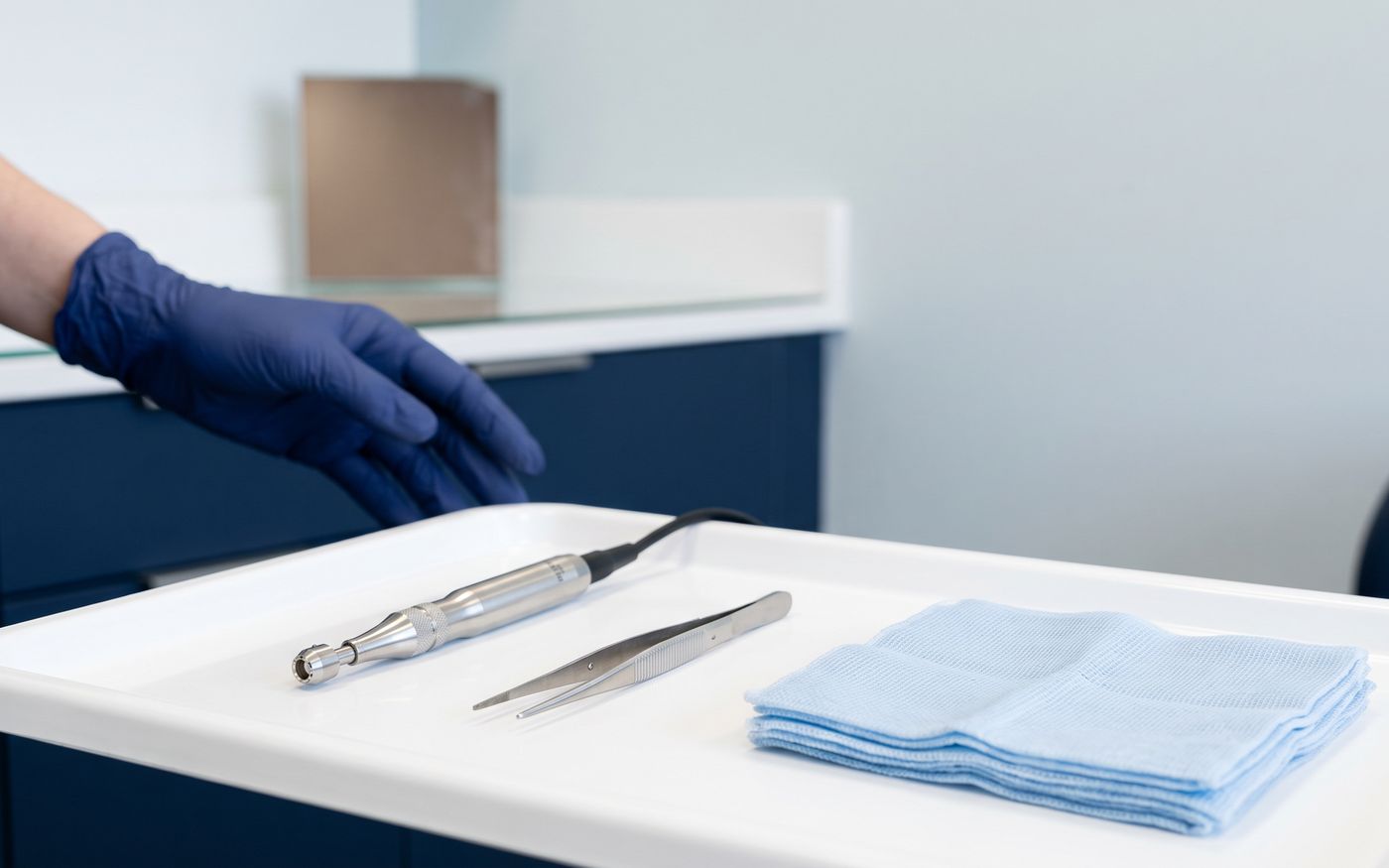
Micro-preciseSub-millimeter instruments at your native hair angle.
Natural densityTighter placement for a fuller, even look.
Faster healingLess redness and crusting in week one.
Technique
Unshaven FUE
Duration
7–9 hours
Anesthesia
Needle-free local
Hospital stay
Same-day home
Back to work
1–2 days
Graft survival
90%+
Typical plan
1,000–2,500
Final result
12 months
Turkish expertise · now in America
Unshaven FUE: the Turkish technique, performed in South Florida
The technique is technically demanding: the surgeon must work around existing hair without damaging it. Turkish surgeons developed efficient workflows for it because demand from international professionals was so high. Our surgeons trained in those workflows and now perform it in America under Florida licensure.
Consented results only. We publish before-and-after photos only of HAIROCKET patients who give written consent, taken under the same light and angles, without retouching. Our gallery opens with our first consented cases — until then, ask to see results in patients with hair like yours during your free consultation, and read how to judge before-and-after photos.
Recovery timeline
What to expect, month by month
Day 1
Go home
Mild tightness, redness, and pinpoint donor marks are expected.
Healing begins
Days 2–7
Gentle care
Follow washing instructions and avoid rubbing grafts or wearing tight hats.
Early aftercare
Weeks 2–4
Scabs clear
Small crusts usually loosen as the scalp looks calmer.
Settling phase
Months 1–2
Temporary shedding
Many transplanted hairs shed before follicles begin a new cycle.
Shedding phase
Months 3–6
Early growth
New hairs may appear gradually, with visible change around month six.
New growth
Months 12+
Mature result
Final density and texture are assessed; results vary by patient.
Final review
Safety
Risks, side effects & how we minimize them
Common & temporary
Mild swelling for 2–3 days
Redness and small crusts for 7–10 days
Shock loss in months 1–2
Temporary numbness in the donor area
Rare — call us if you notice
Increasing pain after day 3
Fever or spreading redness
Persistent bleeding
Signs of an allergic reaction
Florida-licensed surgeon on site for every procedure
Your surgeon plans your Unshaven FUE procedure, draws the hairline with you and personally performs the critical steps. Your written plan names the surgeon who will operate, so you can verify their Florida license before you book.
Verified reviews only. We publish patient reviews only from verified patients, with their written consent. Until then, judge us by what you can check yourself: our surgeons' Florida licenses, real before-and-after results and a written, all-inclusive quote.
In-depth guide
The complete guide to Unshaven FUE
How unshaven FUE works
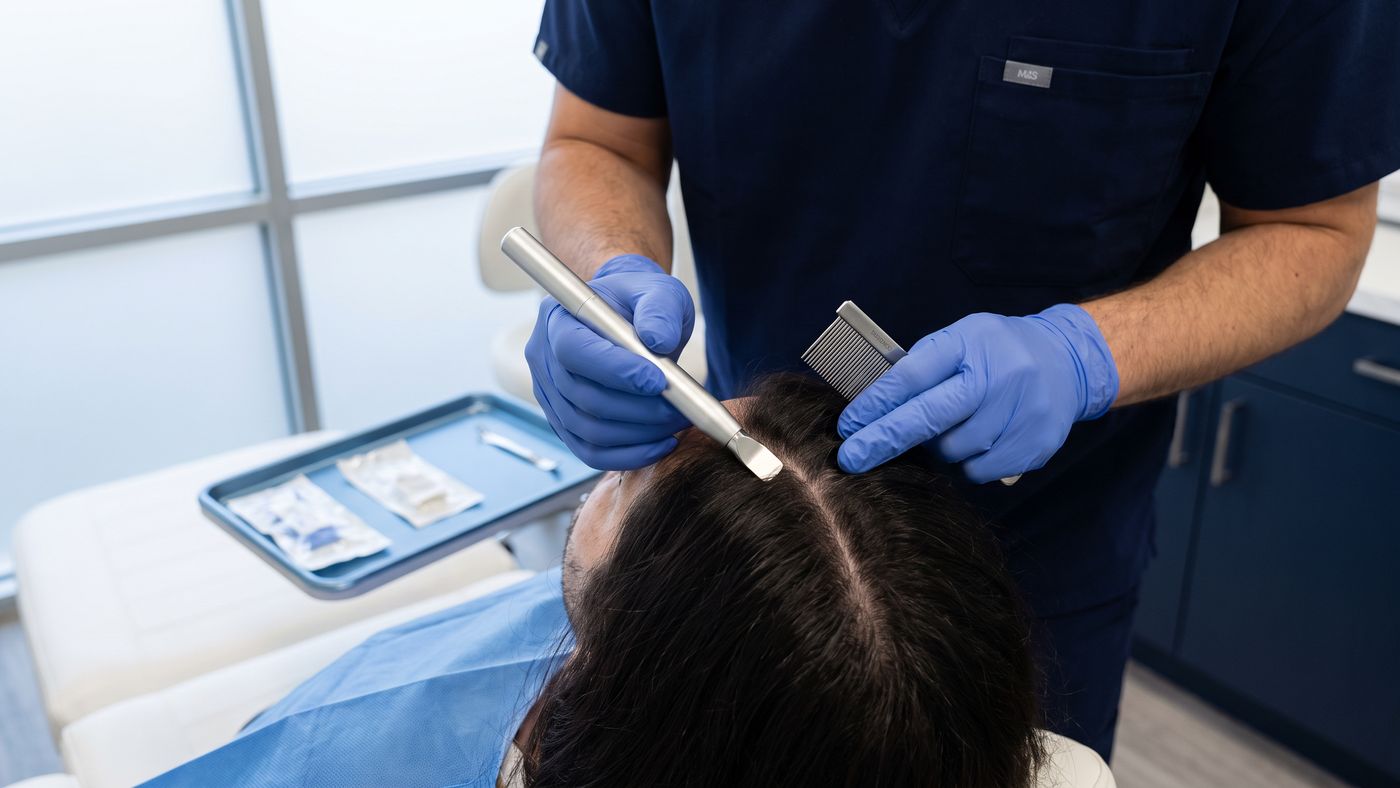
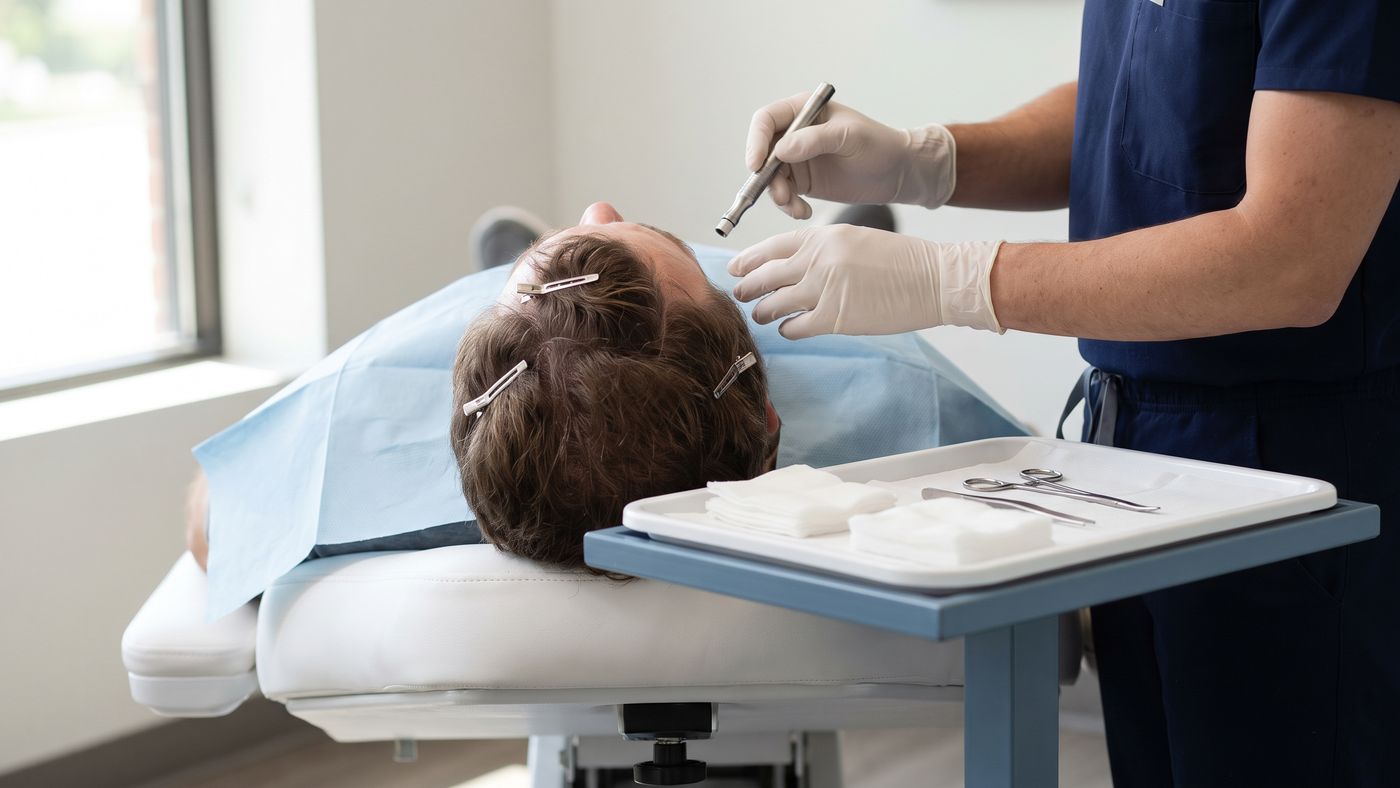
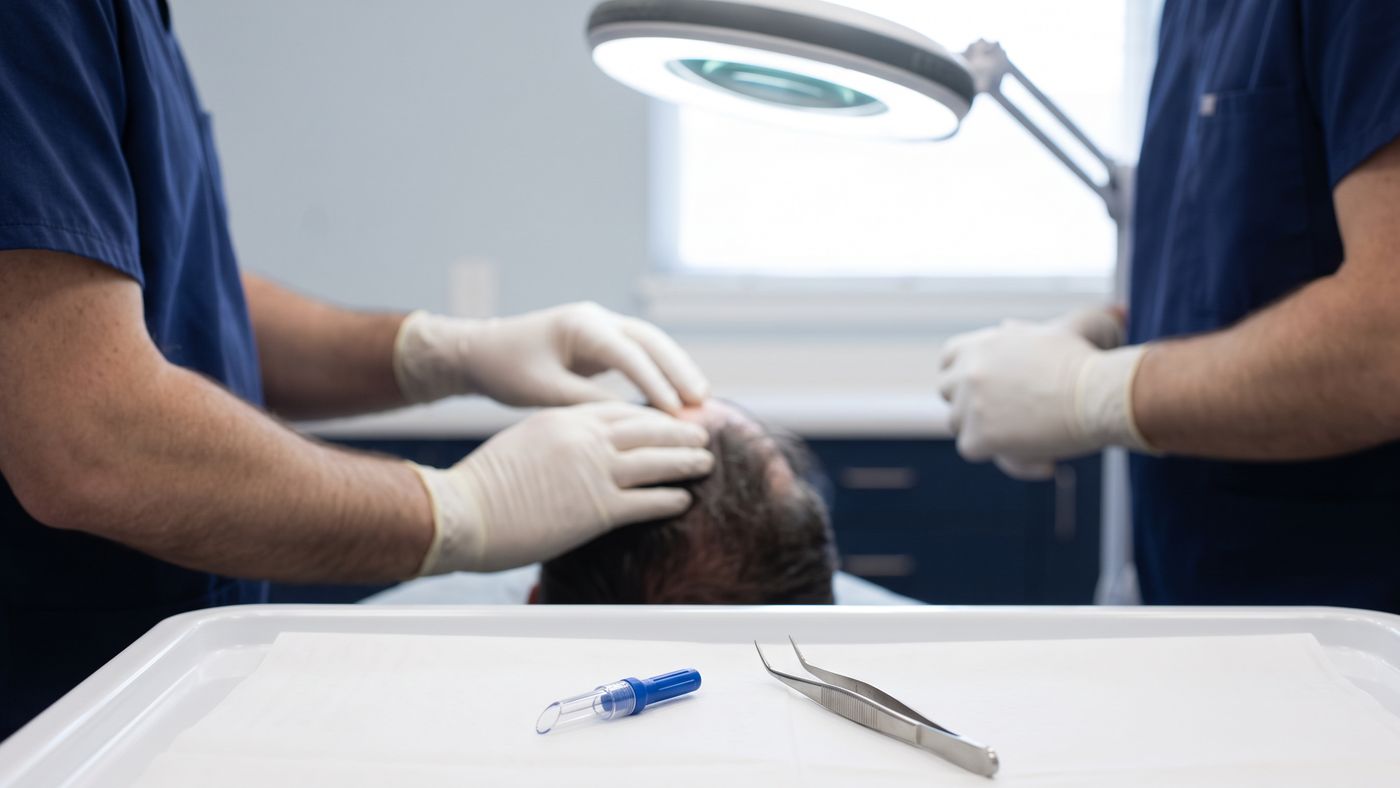
Unshaven FUE is part of the FUE hair transplant family, but it avoids shaving the entire scalp. Instead, your surgeon trims small, hidden strips in the donor area at the back and sides of the head. Individual follicular units are extracted under local anesthesia, then placed into channels made between existing hairs in the thinning area.
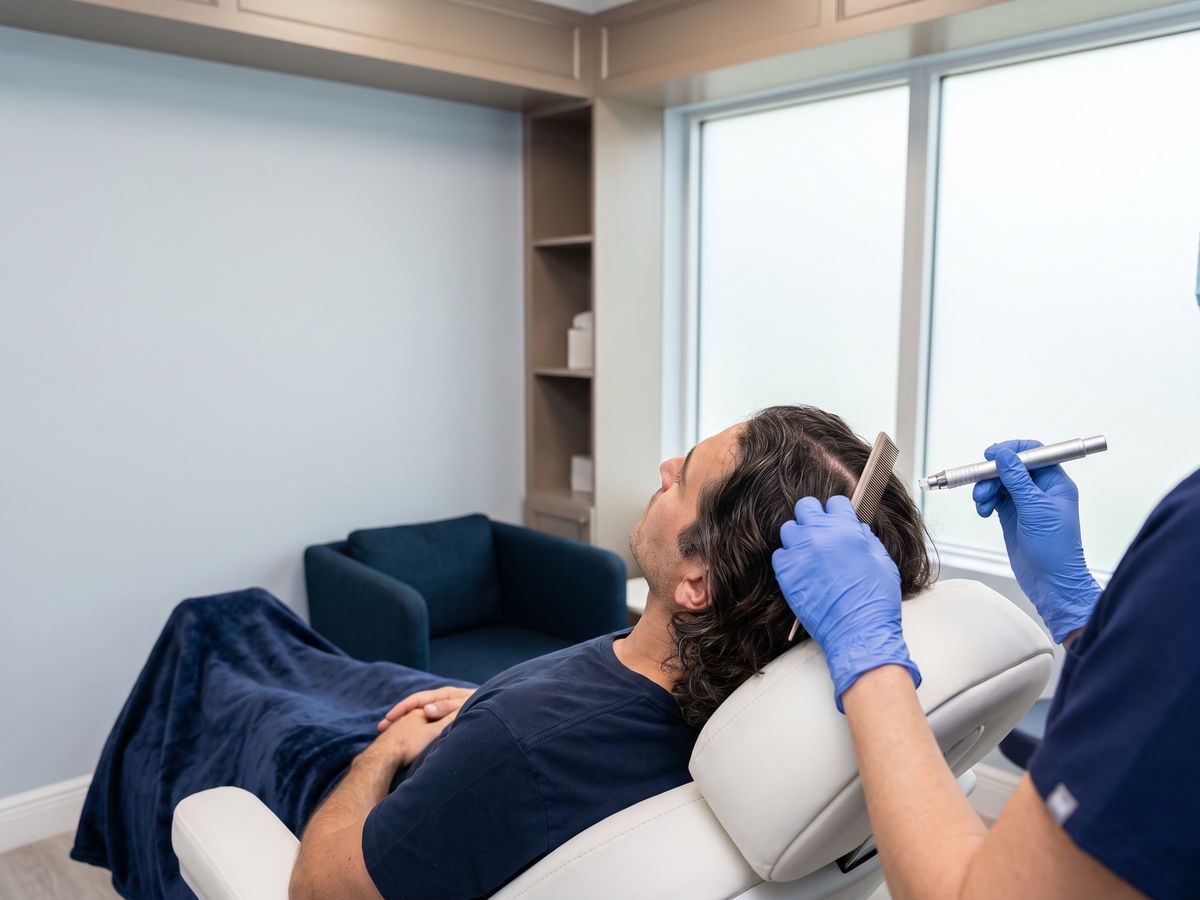
At HAIROCKET in Tamarac, the first numbing step uses a pressure-based needle-free system, followed by local anesthesia for comfort. Because hair remains long around the work areas, unshaven FUE usually takes more time and careful positioning than a shaved FUE case.
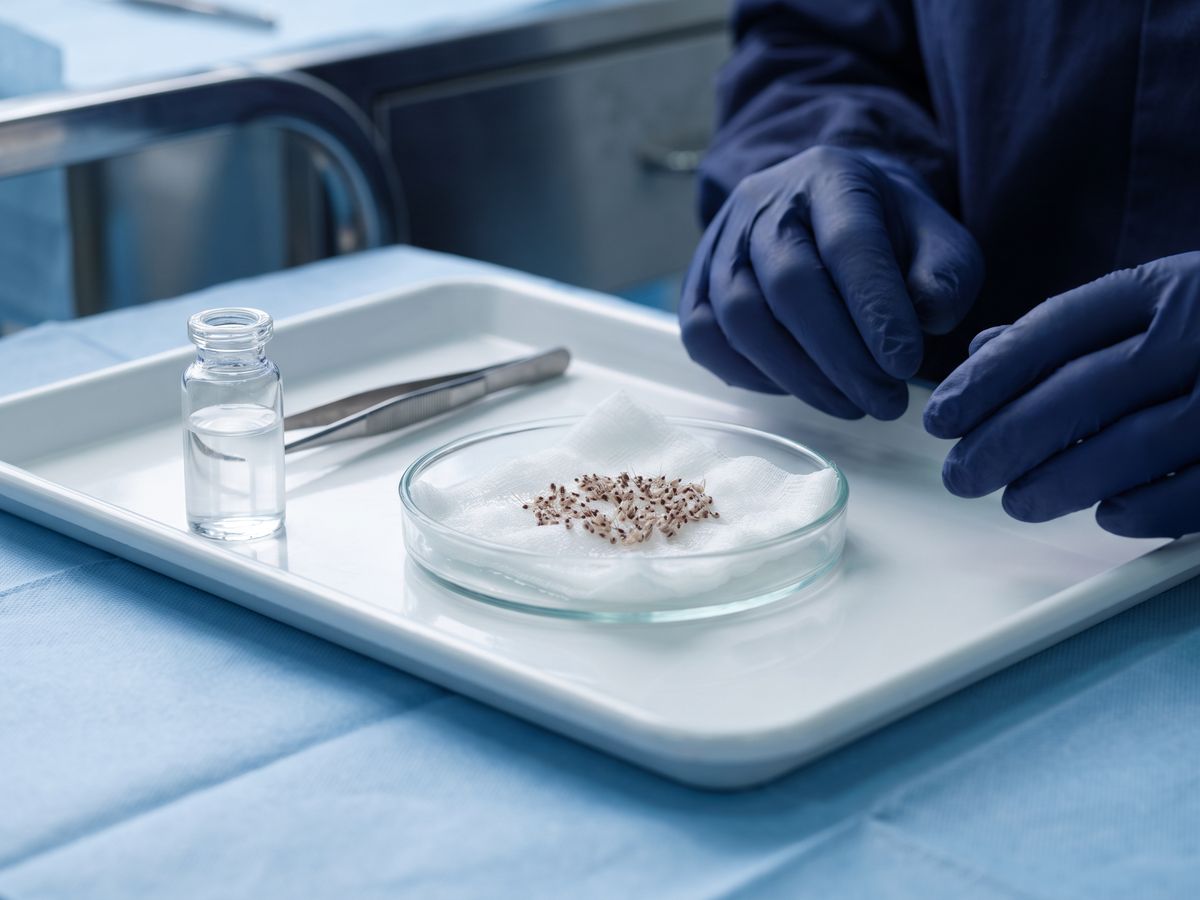
unshaven-fue-guide-1.jpg · 16:9
How unshaven FUE works
Who it helps
Unshaven FUE may fit patients who want a more discreet transplant experience and have enough surrounding hair to cover the trimmed donor strips. It is commonly considered for hairline refinement, part-line or crown density work, and patients who cannot easily take time away from work or social responsibilities.
It is not the right plan for every scalp. Larger graft needs may be better served with a shaved FUE approach because access and graft handling become more predictable. Your surgeon will examine donor density, hair length, curl, contrast, and thinning pattern before recommending a plan.
Planning donor and recipient areas
The donor plan matters because unshaven FUE relies on concealment. Your surgeon selects extraction zones in the safer donor area at the back and sides, where follicles are generally more resistant to pattern hair loss. The goal is to collect grafts while preserving a balanced donor appearance.
Recipient planning is equally detailed. Channels must be created between native hairs without damaging them, and each graft must follow the natural direction and angle of your hair. HAIROCKET’s Turkish-trained, Florida-licensed surgeons plan placement with both current thinning and possible future hair loss in mind.
Recovery and growth timeline
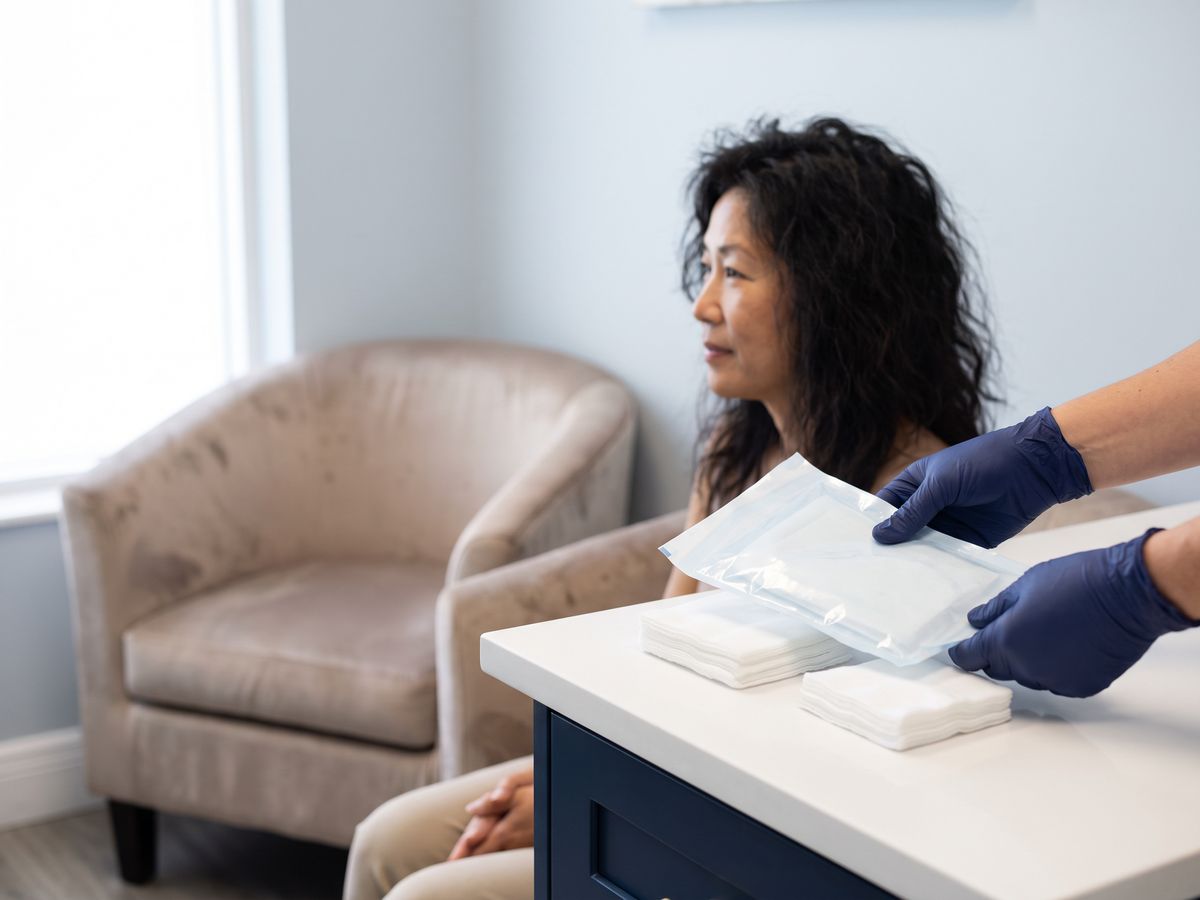
You go home the same day after unshaven FUE. The donor area may have tiny dot-like marks, mild redness, or tightness, but surrounding hair can help make the work less noticeable. You will receive washing, sleeping, and activity instructions to protect the grafts while the scalp heals.
Shedding during months one and two is common and does not mean the grafts have failed. New growth often begins around months three to four, with more visible change around month six. The final result is usually assessed around month twelve, and results vary by patient.
Long-term hair maintenance
Transplanted follicles from the donor area are generally resistant to pattern hair loss, but the non-transplanted native hair around them can continue to thin over time. This is why your surgeon may discuss medical hair maintenance, future density planning, or staged treatment if your pattern is still evolving.
A natural-looking plan should not focus only on today’s hairline. It should also consider donor supply, age, family history, and where thinning may progress. Unshaven FUE can be a discreet surgical option, but it still requires realistic expectations and long-term follow-up.
Glossary
Terms you'll hear
Graft
A follicular unit containing 1–4 hairs, moved as one piece.
Donor area
The back and sides of the scalp, where hair is genetically resistant to loss.
Recipient area
The thinning or bald area where grafts are implanted.
Norwood scale
A 7-stage classification of male pattern hair loss.
Ludwig scale
A 3-stage classification of female pattern hair loss.
Shock loss
Temporary shedding of hair after surgery; it regrows.
Graft survival
The percentage of transplanted grafts that grow.
Hairline design
Planning the shape and irregularity of the frontal hairline.
Questions
Unshaven FUE FAQ
Is unshaven FUE more expensive?
Usually yes, because unshaven FUE takes more surgical time. Your quote reflects the exact plan.
How many grafts are possible with unshaven FUE?
Typically up to about 2,500 grafts per session; larger sessions often need a shaved approach.
Is unshaven FUE good for women?
Yes — unshaven FUE is our most common approach for female hairline and density work.
Will anyone be able to tell I had unshaven FUE?
Unshaven FUE is designed to be more discreet than a fully shaved procedure, but early redness, swelling, or styling changes can still be noticeable. How concealed it looks depends on hair length, density, color contrast, and the size of the session.
Does unshaven FUE hurt?
The procedure is performed under local anesthesia. HAIROCKET uses a pressure-based needle-free system for the first numbing step, then additional local anesthesia as needed. You may feel pressure or movement, but sharp pain should be addressed during the visit.
How many grafts can be done unshaven?
Unshaven FUE is commonly planned for about 1,000–2,500 grafts, depending on donor access, hair length, and the area being treated. If you need more coverage, your surgeon may recommend a shaved approach or staged sessions.
Can unshaven FUE lower my hairline?
Yes, it can be used for hairline refinement when you have suitable donor hair and a stable, age-appropriate plan. Your surgeon will design the hairline to look natural now and remain appropriate if native hair continues thinning.
What happens if my native hair keeps thinning?
Transplanted follicles are generally resistant to pattern loss, but surrounding native hair may continue to thin. Your surgeon may discuss maintenance options or future planning so the transplant does not look isolated as hair loss progresses.
When can I go back to work?
Many patients return to desk work within a few days, especially because the donor trimming is hidden. Timing depends on swelling, redness, job duties, and your comfort with temporary aftercare instructions and styling limitations.
Will the donor area have scars?
FUE does not create a linear strip scar. It leaves small dot-like extraction sites in the donor area, which usually become less noticeable as they heal. Visibility depends on skin healing, hair length, and extraction pattern.
How much does unshaven FUE cost at HAIROCKET?
Unshaven FUE is a separately priced add-on to a transplant package (from $5,500), because working between existing hairs takes more surgical time. The add-on price is quoted in your written plan before you book.
Turkish hair transplant expertise — now in America.
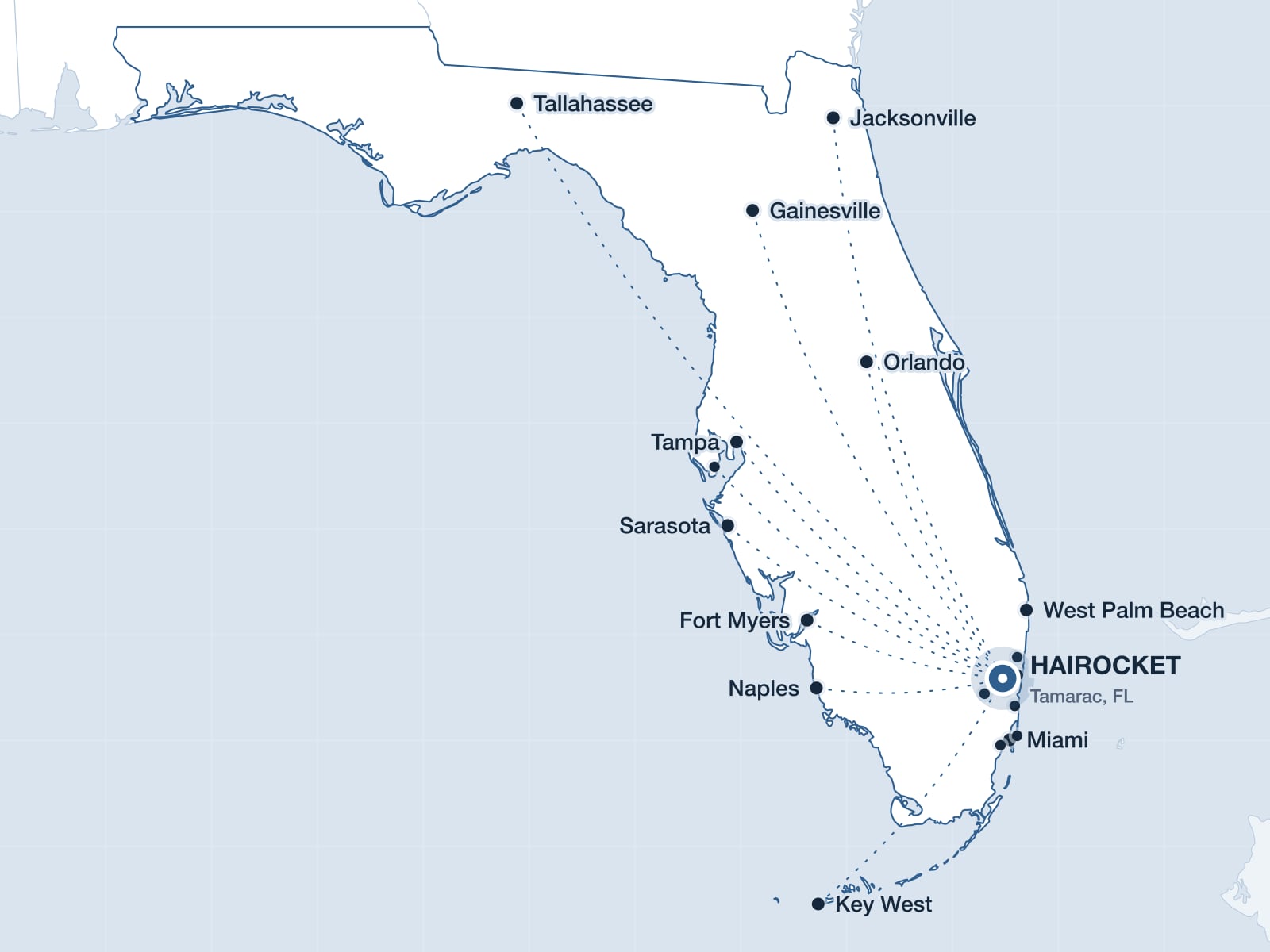
Turkey became the world's hair transplant capital by performing more procedures, with more refined techniques, than anywhere else. HAIROCKET brings that expertise to South Florida — Turkish-trained surgeons, licensed in Florida, working to U.S. medical standards. Same artistry. No 10-hour flight.