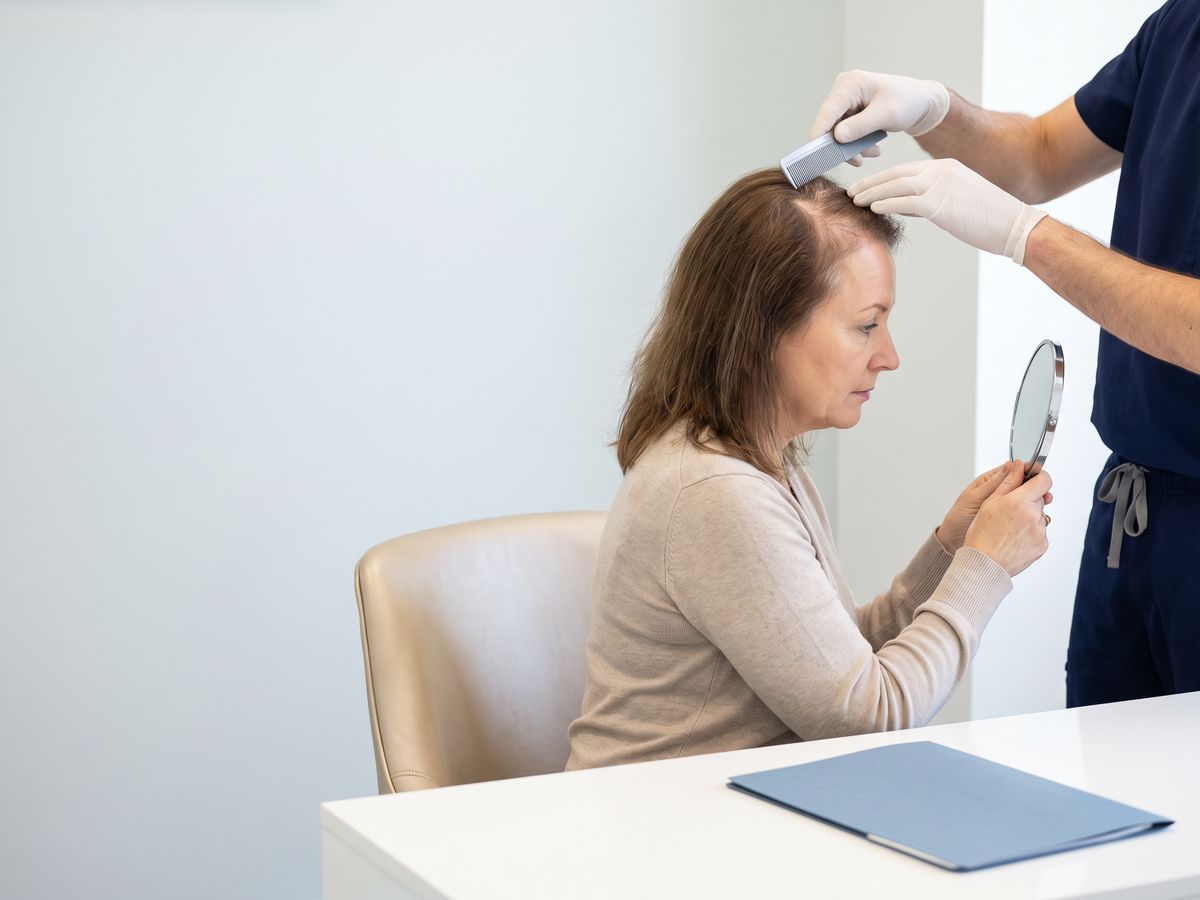
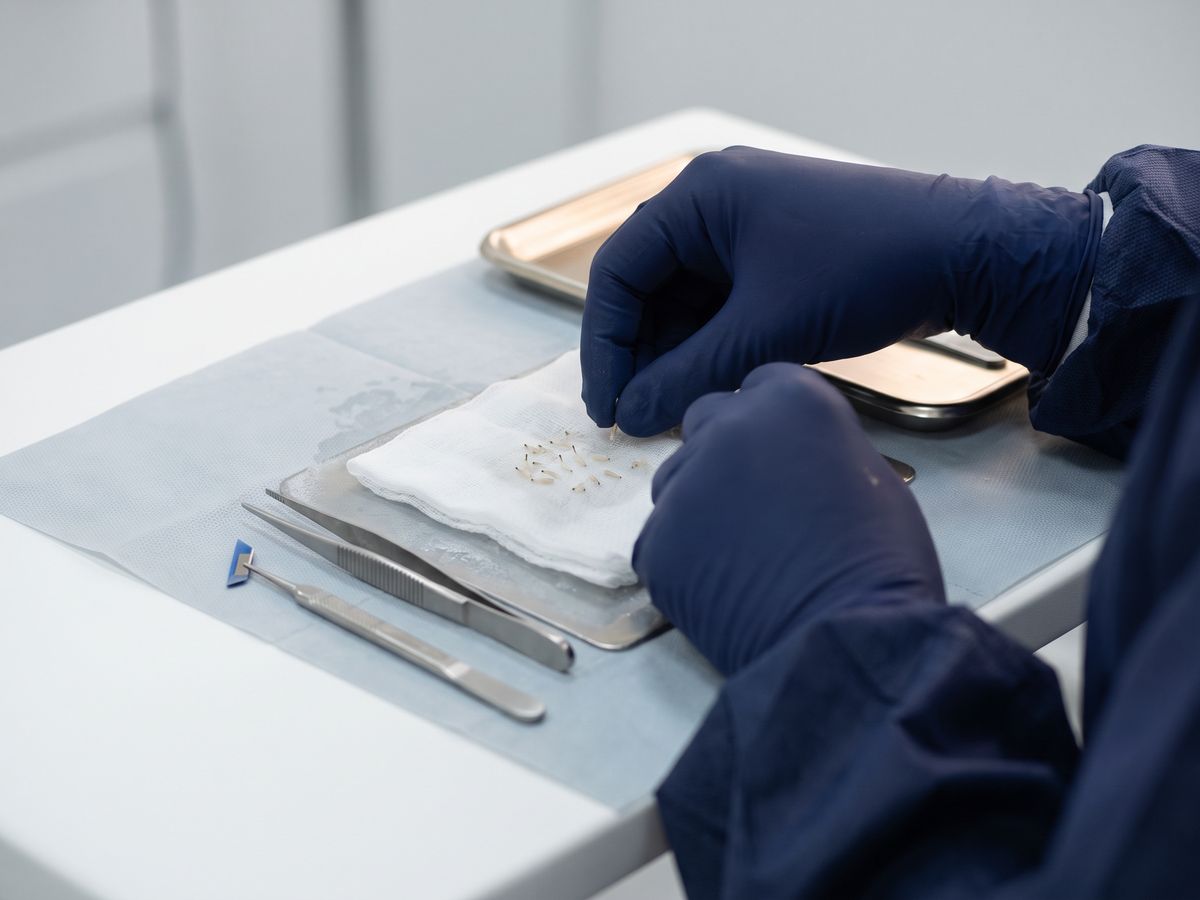
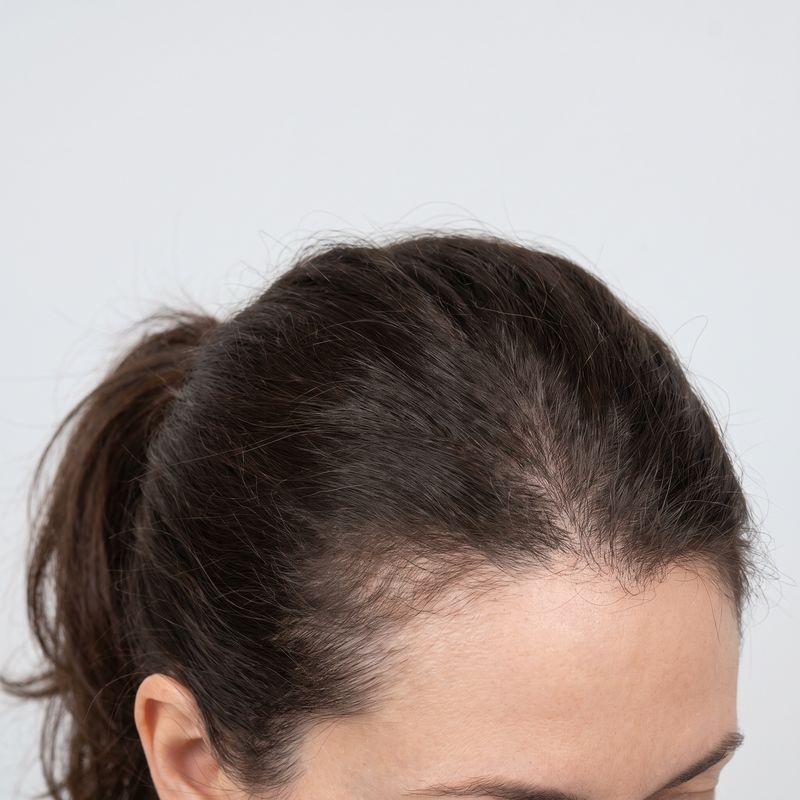
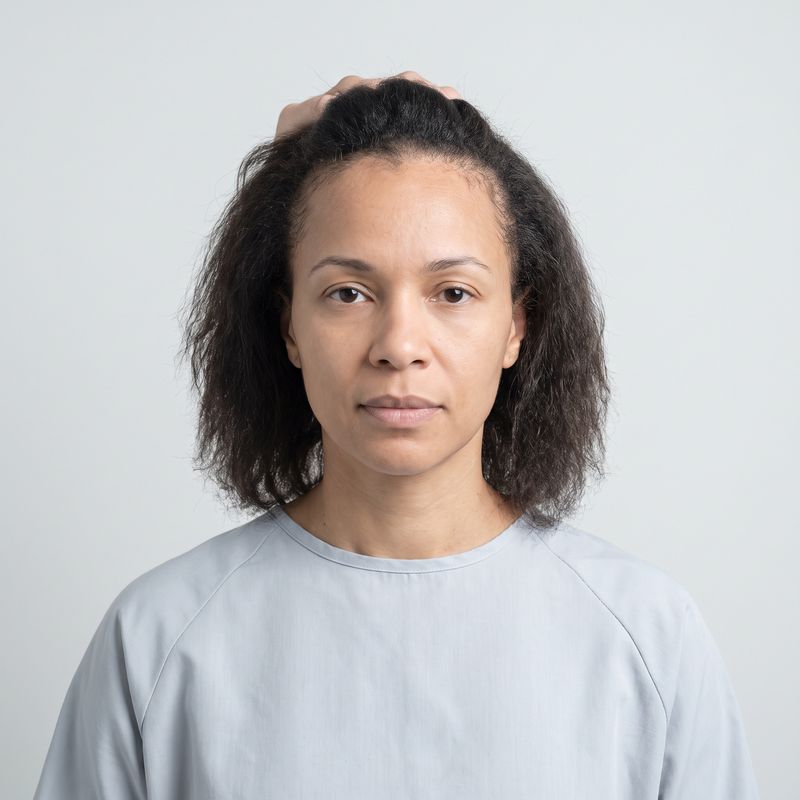
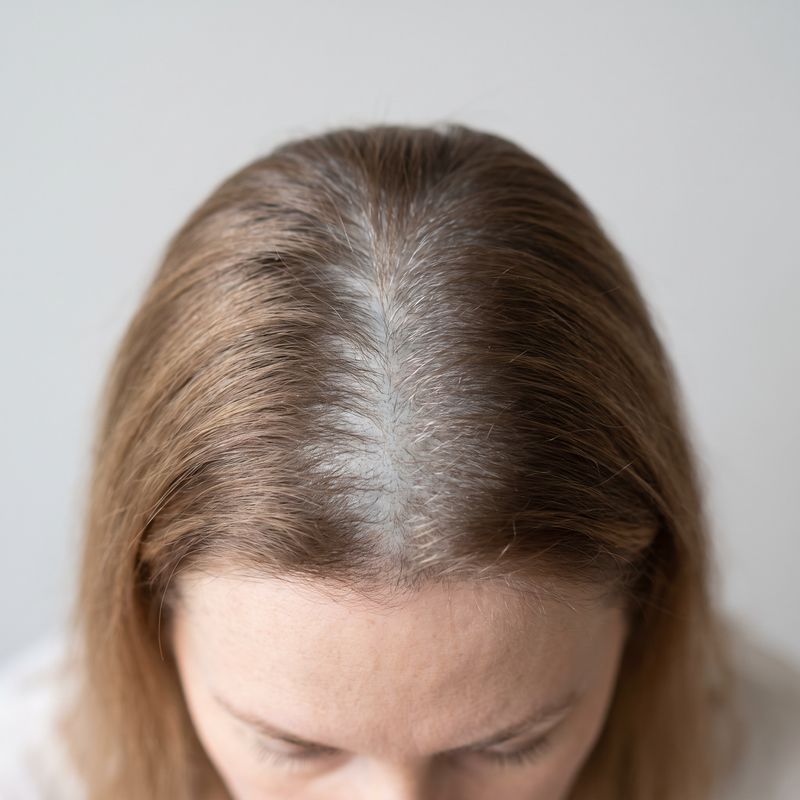
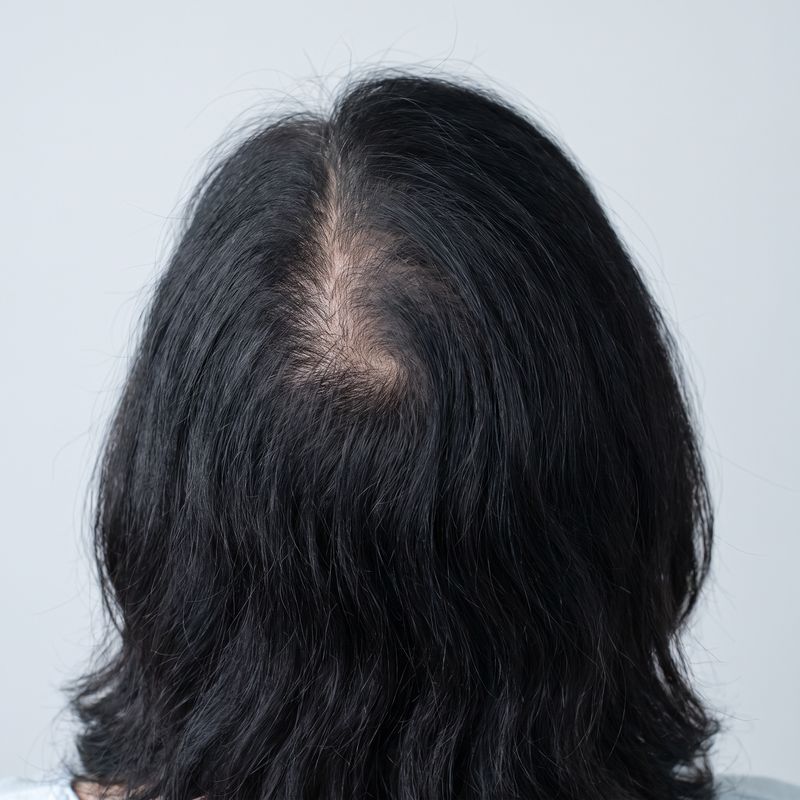
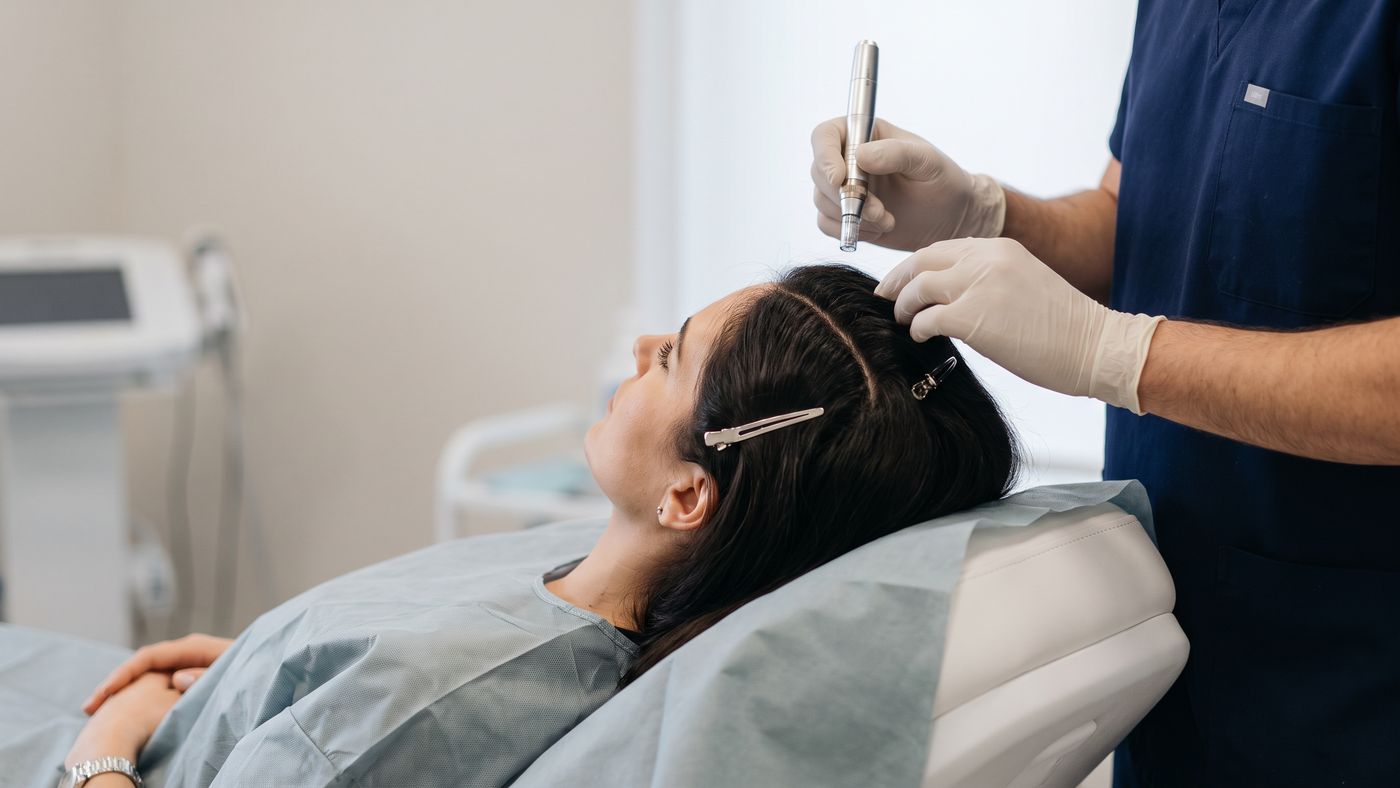
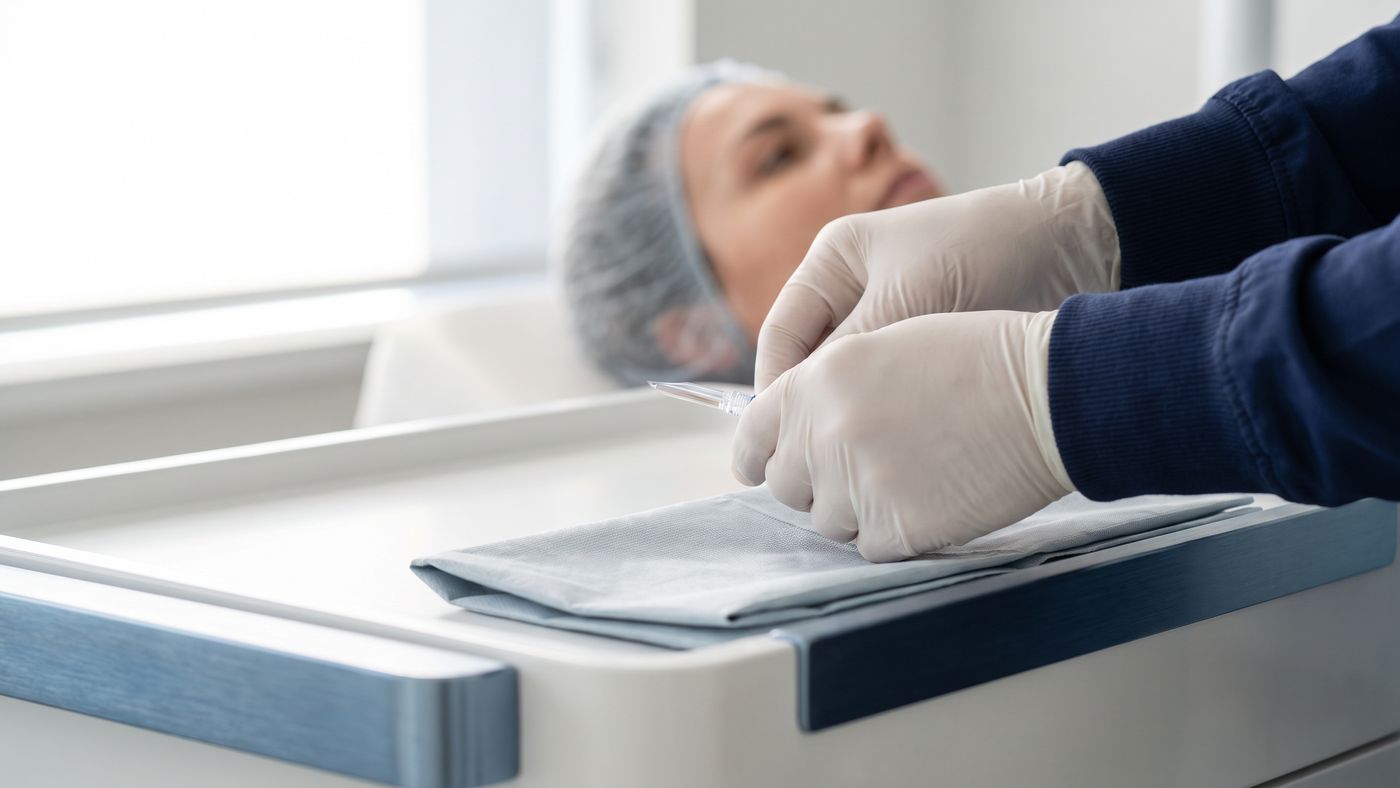
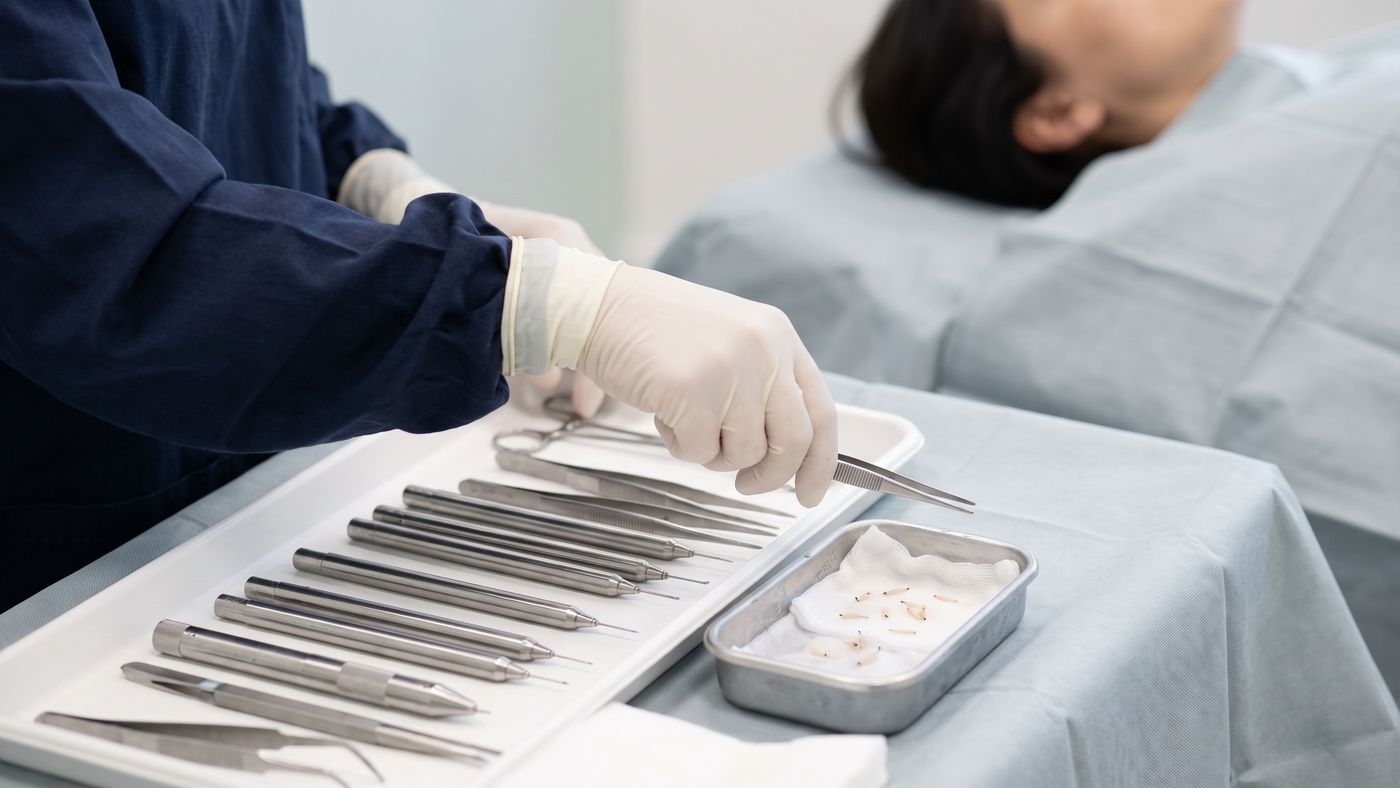
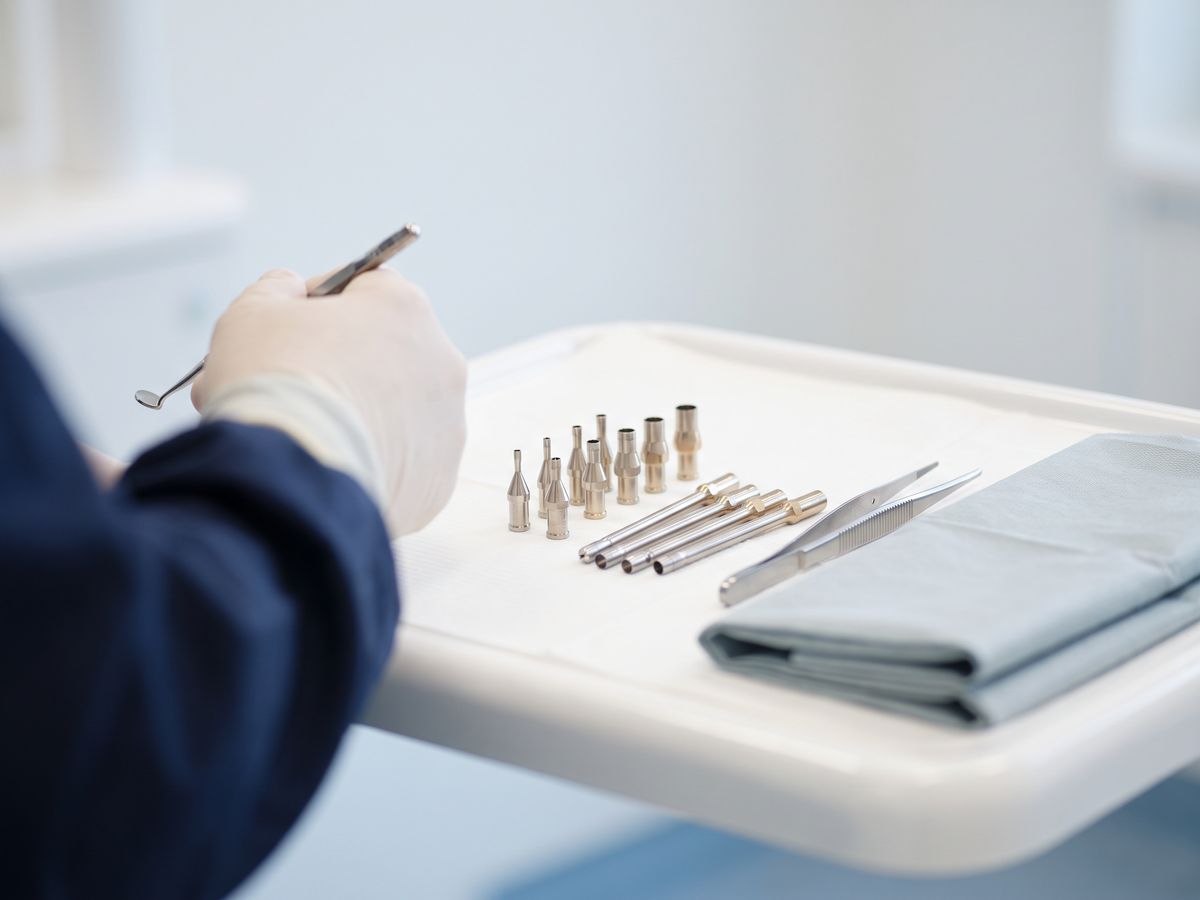
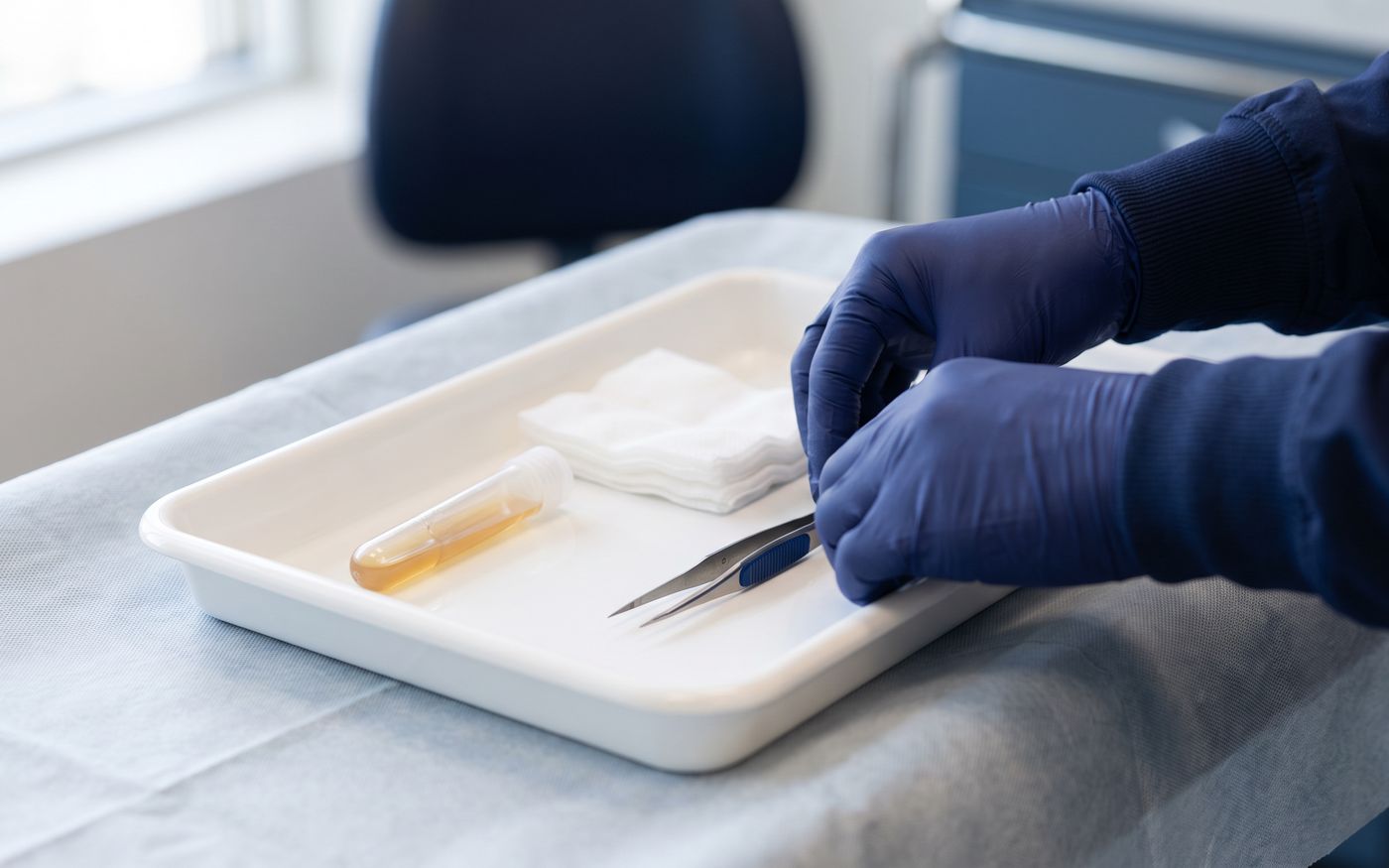
A female hair transplant is a hair transplant designed for women's hair loss patterns — part-line thinning, a high or receding hairline and thinning temples. It follows a medical diagnosis and is most often performed without shaving.
A female hair transplant is designed around how women lose hair — usually diffuse thinning along the part line, a high or receding hairline, or thinning at the temples. Techniques such as hairline lowering and density restoration are often performed without shaving, so recovery stays discreet.
At HAIROCKET, our Turkish-trained, Florida-licensed surgeons plan every female hair transplant individually. You get the refined, unshaven techniques Turkey is known for — in South Florida, with follow-up close to home.
female-hair-transplant-overview.jpg · 16:9
Female Hair Transplant: an overview of how the procedure works.
Micro-preciseSub-millimeter instruments at your native hair angle.
Natural densityTighter placement for a fuller, even look.
Faster healingLess redness and crusting in week one.
Technique
Female Hair Transplant
Duration
5–8 hours
Anesthesia
Needle-free local
Hospital stay
Same-day home
Back to work
2–4 days
Graft survival
90%+
Typical plan
1,000–2,500
Final result
12 months
Turkish expertise · now in America
Female Hair Transplant: the Turkish technique, performed in South Florida
Turkish clinics developed unshaven workflows largely for women and professionals who couldn't take time away. Our surgeons trained in that environment and perform them in America with the same discretion, under Florida licensure.
Your surgeon first looks for underlying causes — hormones, thyroid, iron or traction — and may recommend medical treatment alongside or instead of surgery.
Trichoscopy & donor density map
Hand-drawn design
Written graft plan
female-hair-transplant-split-2.jpg · 4:3
02 · Technique
Precision at every step
Grafts are placed between existing hairs to add density, or along a newly designed hairline for hairline lowering — usually without shaving.
Sub-millimeter instruments
Native angle & direction
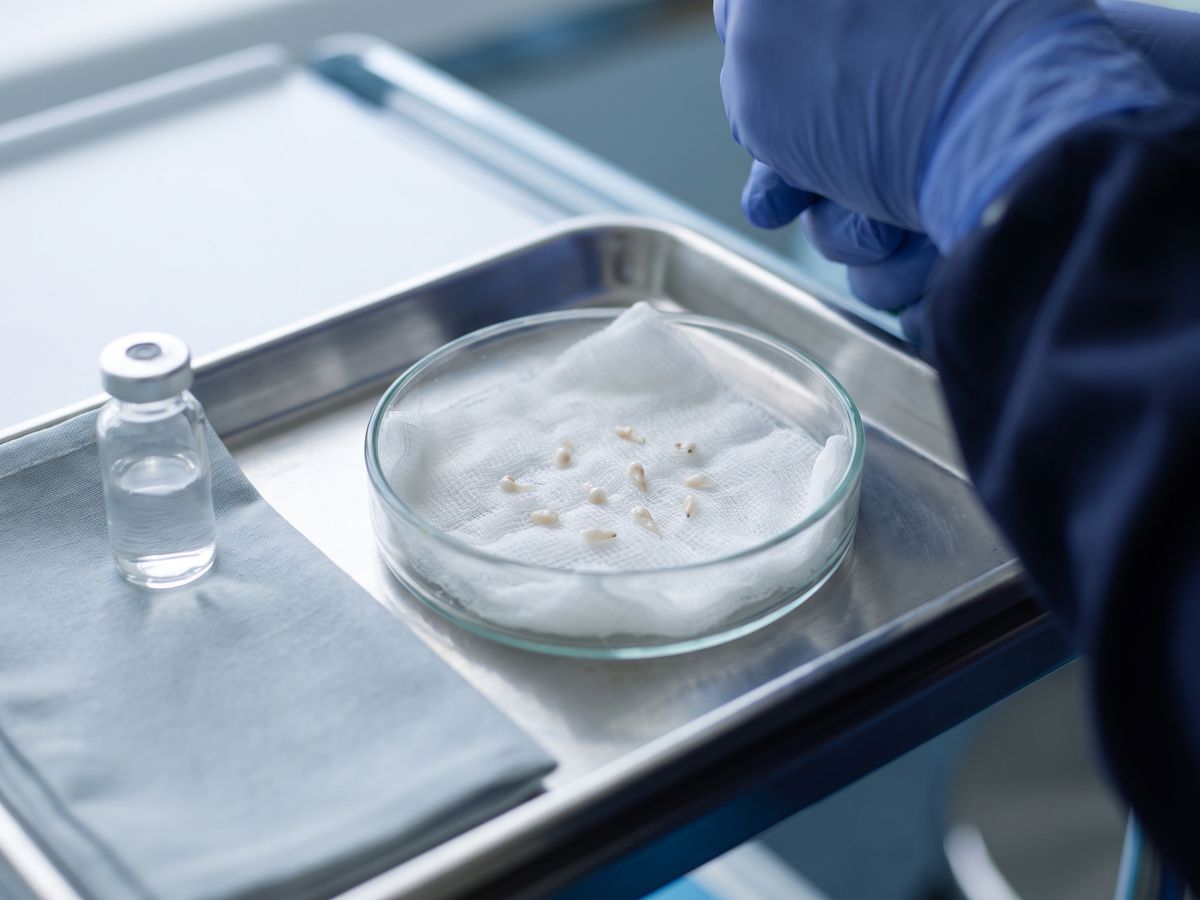
Surgeon-performed critical steps
female-hair-transplant-split-3.jpg · 4:3
03 · Aftercare
Supported until your final result
Most women return to normal routines within days. Results develop over 12 months and are reviewed in person or by video.
Day-one clinic wash
WhatsApp aftercare line
Reviews at 3, 6, 9 & 12 months
Benefits
Why patients choose this treatment
Unshaven option
Often planned without a full shave for discreet recovery.
Female planning
Designed around part-line thinning, temples and hairline lowering.
Diagnosis first
Medical causes are reviewed before surgery is recommended.
Targeted density
Grafts focus on localized thinning where added coverage is appropriate.
Natural direction
Placement follows existing hair angles for softer blending.
Local follow-up
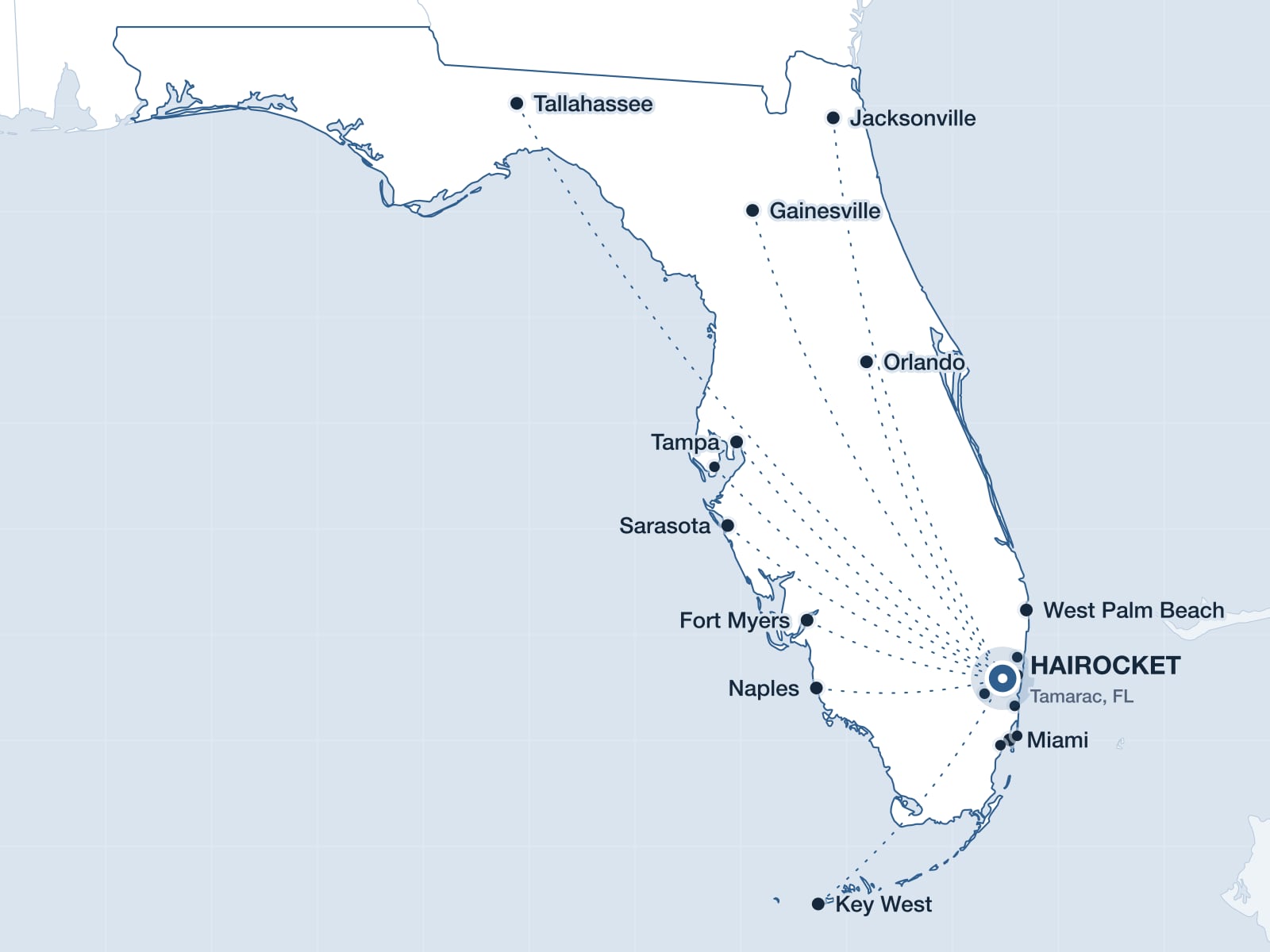
Healing and growth can be reviewed in Tamarac or by video.
Candidacy
Is Female Hair Transplant right for you?
female-hair-transplant-pattern-1.jpg · 1:1
Early recession
female-hair-transplant-pattern-2.jpg · 1:1
Receding hairline
female-hair-transplant-pattern-3.jpg · 1:1
Mid-scalp thinning
female-hair-transplant-pattern-4.jpg · 1:1
Crown thinning
A great fit if you…
Stable localized thinning along the part line
High or receding hairline needing lowering
Temple thinning with a healthy donor area
Hair loss diagnosis already reviewed medically
Consider alternatives if you…
Active diffuse shedding without diagnosis
Untreated thyroid, iron or hormonal issue
Weak or thinning donor area
Expecting instant or guaranteed density
Not sure? Send us 4 photos — a surgeon reviews every analysis personally, usually within 24 hours.
Step by step
Your procedure day
01
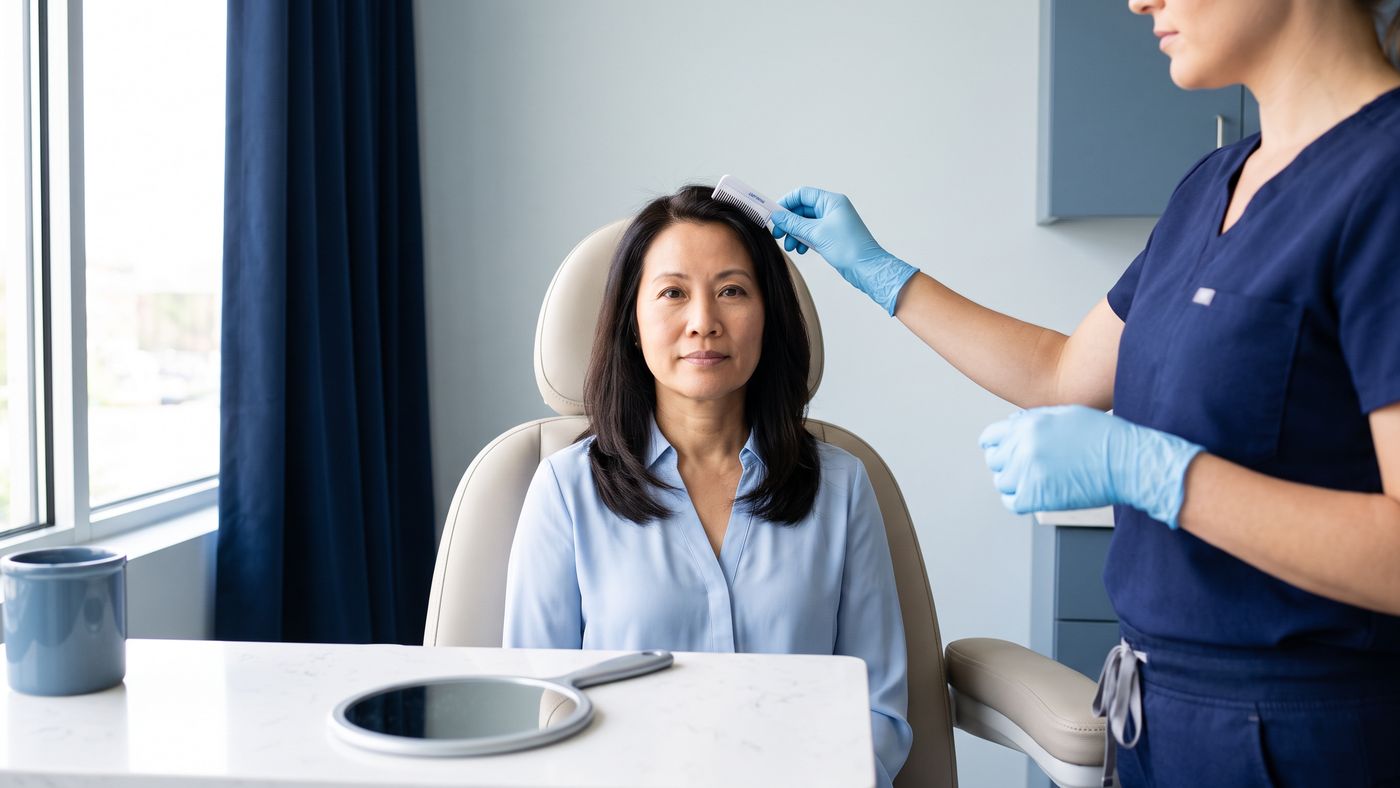
Diagnosis review 30–45 min
Your surgeon reviews shedding history, labs, medications and scalp exam to confirm surgery fits your type of hair loss.
female-hair-transplant-step-1.jpg · 16:9
02
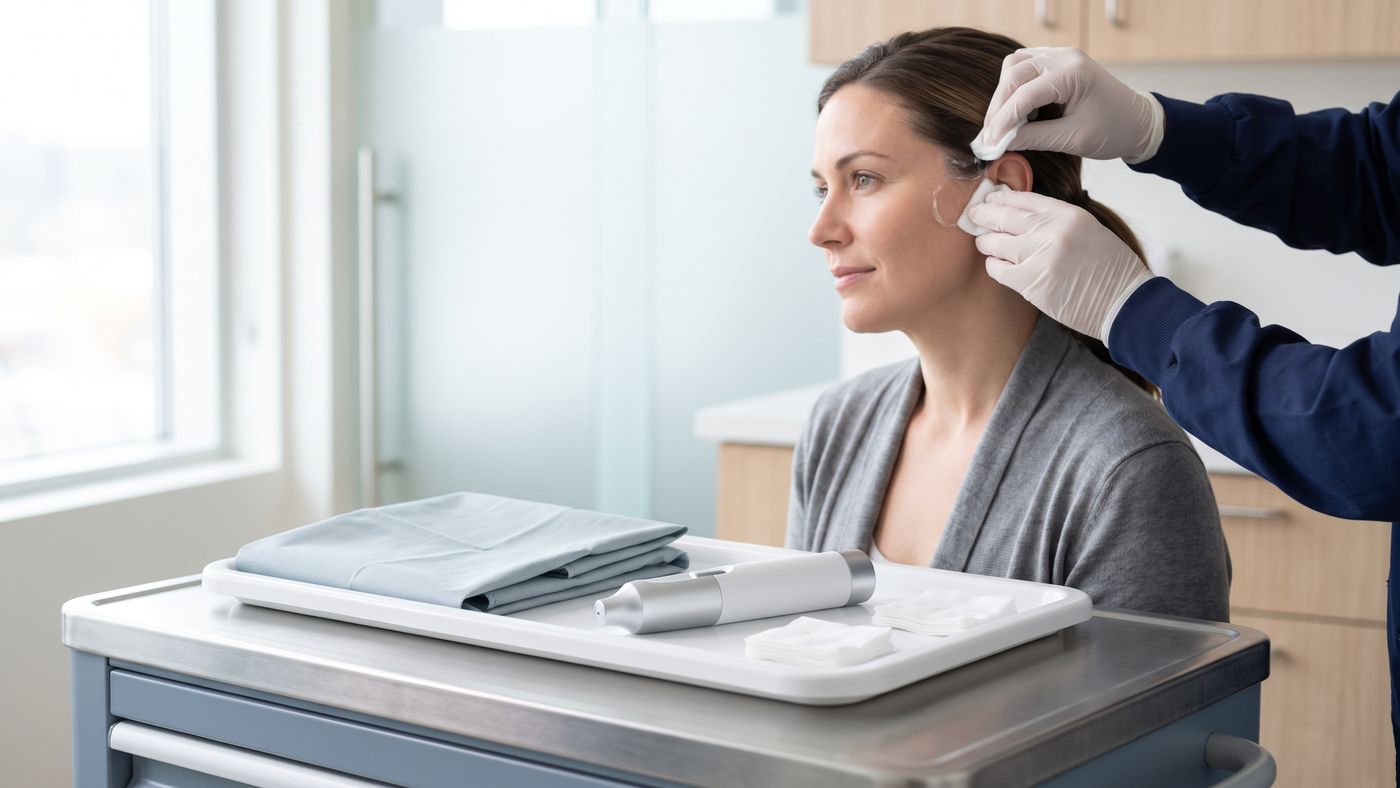
Hairline planning 30 min
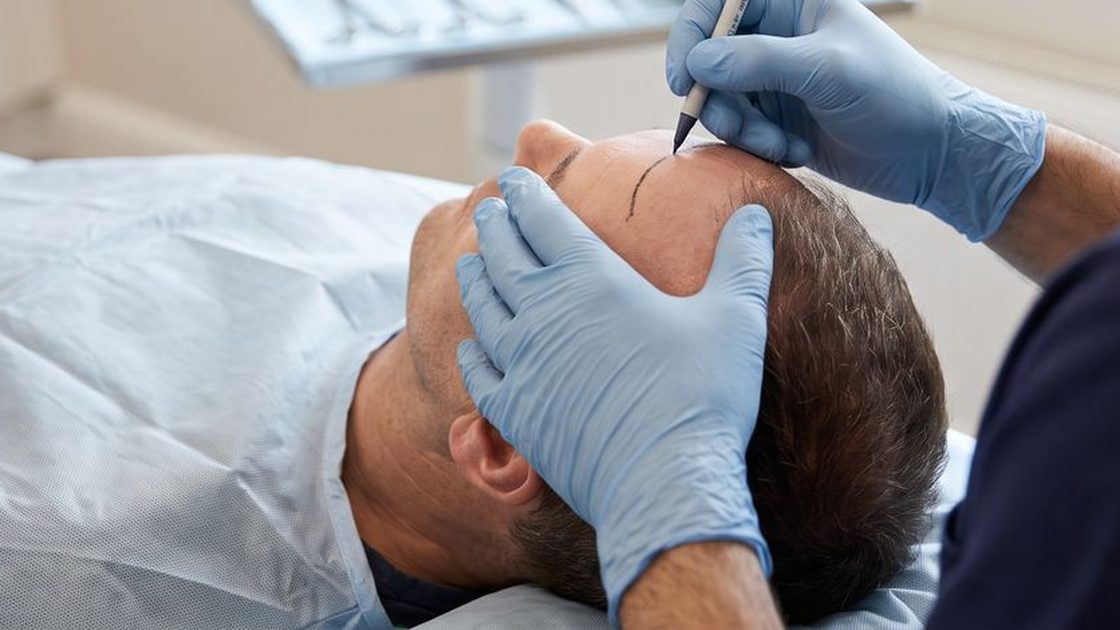
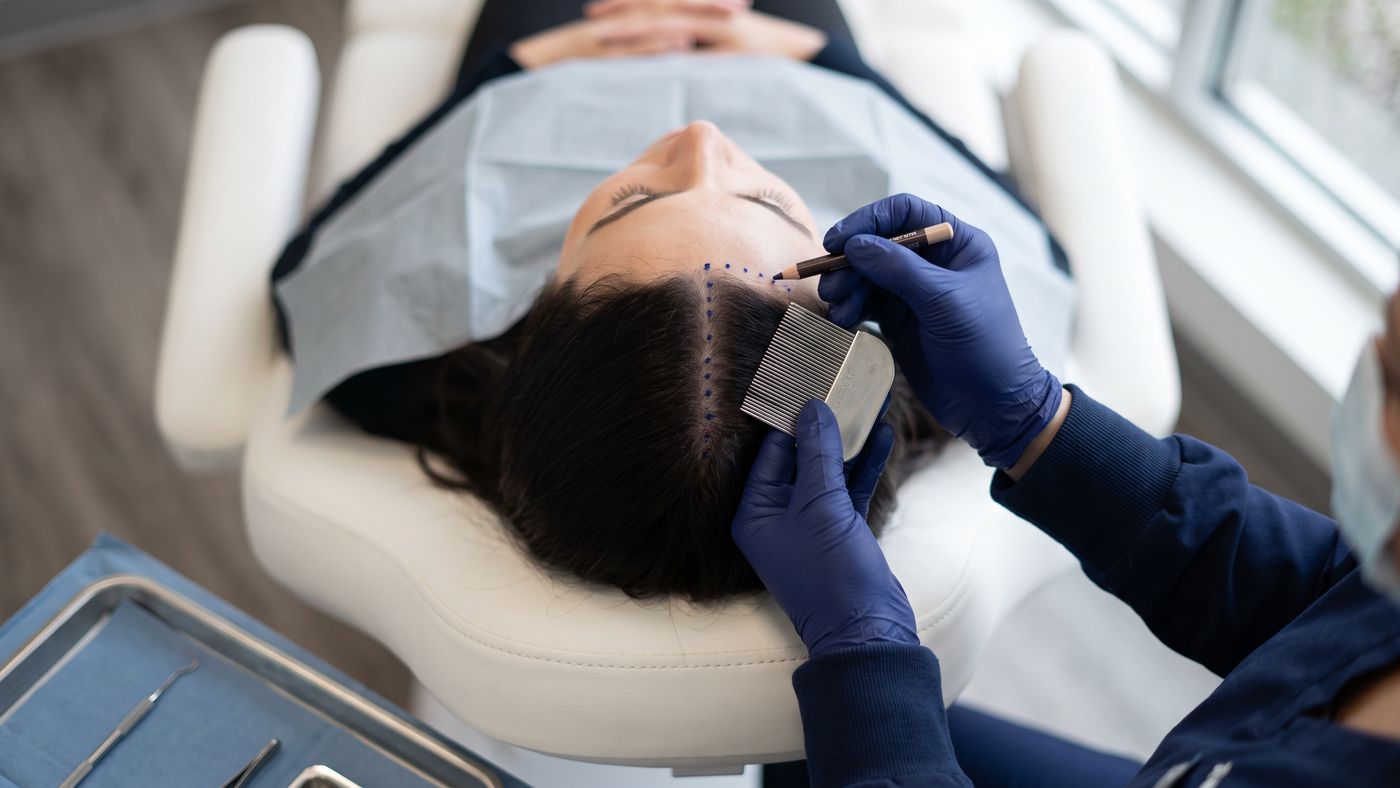
For hairline lowering or temples, the design is marked while considering facial balance, existing density and future hair loss.
female-hair-transplant-step-2.jpg · 16:9
03
Donor preparation 45–90 min
Most women need no full shave; a small hidden donor area may be trimmed for precise graft removal.
female-hair-transplant-step-3.jpg · 16:9
04
Graft placement 3–6 hours
Follicles are placed between existing hairs or along the planned hairline with attention to angle, spacing and direction.
female-hair-transplant-step-4.jpg · 16:9
05
Home instructions 30 min
Before leaving, you receive washing directions, sleeping guidance, medication instructions and follow-up timing with the HAIROCKET team.
female-hair-transplant-step-5.jpg · 16:9
Technology
Instruments that make the difference
female-hair-transplant-tech-1.jpg · 4:3
Unshaven FUEFollicles are removed through a hidden trimmed donor area.
female-hair-transplant-tech-2.jpg · 4:3
Hairline loweringSingle-hair grafts refine a high or receding hairline.
female-hair-transplant-tech-3.jpg · 4:3
Part-line densityGrafts are placed carefully between existing hairs.
Consented results only. We publish before-and-after photos only of HAIROCKET patients who give written consent, taken under the same light and angles, without retouching. Our gallery opens with our first consented cases — until then, ask to see results in patients with hair like yours during your free consultation, and read how to judge before-and-after photos.
Recovery timeline
What to expect, month by month
Day 1
Initial healing
Mild swelling, tightness or tenderness can occur after graft placement.
Healing starts
Days 2–3
Careful washing
You begin gentle washing and avoid rubbing or styling pressure.
Wash routine
Week 1
Scab release
Tiny crusts start loosening while implanted grafts remain protected.
Scabs easing
Weeks 2–4
Shedding phase
Transplanted hairs often shed; this is expected and not final growth.
Temporary shed
Month 3–4
Early growth
Fine new hairs may appear gradually, with results varying by patient.
Early growth
Month 12
Mature review
Density and length are assessed, and ongoing hair-loss care is discussed.
Final review
Safety
Risks, side effects & how we minimize them
Common & temporary
Mild swelling for 2–3 days
Redness and small crusts for 7–10 days
Shock loss in months 1–2
Temporary numbness in the donor area
Rare — call us if you notice
Increasing pain after day 3
Fever or spreading redness
Persistent bleeding
Signs of an allergic reaction
Florida-licensed surgeon on site for every procedure
Your surgeon plans your Female Hair Transplant procedure, draws the hairline with you and personally performs the critical steps. Your written plan names the surgeon who will operate, so you can verify their Florida license before you book.
Verified reviews only. We publish patient reviews only from verified patients, with their written consent. Until then, judge us by what you can check yourself: our surgeons' Florida licenses, real before-and-after results and a written, all-inclusive quote.
In-depth guide
The complete guide to Female Hair Transplant
Why diagnosis comes first
Female hair loss is not always the same condition as male pattern baldness. Before recommending surgery, your HAIROCKET surgeon reviews your pattern, shedding timeline, medications, family history and scalp health. Blood tests or dermatology review may be advised to check thyroid, iron, hormonal or inflammatory causes. If shedding is active or diffuse, medical therapy, PRP or stabilization may be recommended before transplant planning.
female-hair-transplant-guide-1.jpg · 16:9
Why diagnosis comes first
Where female transplant works well
A female hair transplant is most often considered for localized concerns: lowering a naturally high hairline, softening a receding hairline, adding temple coverage or improving part-line density when the donor area is stable. It is less predictable for active, widespread shedding because transplanted hair cannot correct ongoing loss throughout the scalp. Results vary, and your plan should match the diagnosis and available donor supply.
Unshaven and partially shaven options
Many women can be treated without a full shave. In an unshaven or partially shaven approach, the donor trimming is kept small and hidden under surrounding hair whenever possible. This can make early recovery more discreet, although the right approach depends on graft number, hair length, density and styling needs. Typical female cases may involve about 1,000–2,500 grafts, based on the area being treated.
Recovery and growth timeline
Most women return to light daily routines within days, while protecting the grafts from rubbing, heavy sweating and styling tension. Crusting improves during the first week, and transplanted hairs commonly shed within the first month. New growth usually appears gradually over the following months, with full assessment around one year. Results vary based on hair caliber, donor strength, diagnosis and continued hair-loss management.
Cost and treatment planning
Female hair transplants at HAIROCKET use the same fixed-price packages — Essential $5,500, Signature $5,750 or Elite $8,000 — whether the goal is hairline lowering, part-line density or temple restoration. Your consultation focuses first on medical suitability, not just graft count. If surgery is not the right first step, your surgeon may recommend medical therapy, PRP or dermatology care before reconsidering transplantation.
Glossary
Terms you'll hear
Graft
A follicular unit containing 1–4 hairs, moved as one piece.
Donor area
The back and sides of the scalp, where hair is genetically resistant to loss.
Recipient area
The thinning or bald area where grafts are implanted.
Norwood scale
A 7-stage classification of male pattern hair loss.
Ludwig scale
A 3-stage classification of female pattern hair loss.
Shock loss
Temporary shedding of hair after surgery; it regrows.
Graft survival
The percentage of transplanted grafts that grow.
Hairline design
Planning the shape and irregularity of the frontal hairline.
Questions
Female Hair Transplant FAQ
Am I a candidate for a female hair transplant?
Women with a stable donor area and localized thinning — hairline, part line or temples — are often good candidates. Diffuse loss may need medical treatment first.
Do I have to shave my head?
Usually not. Most female hair transplants use unshaven techniques.
What is hairline lowering?
It's a female hair transplant that moves the hairline forward with grafts, reducing a high forehead.
How is a female hair transplant different from a male transplant?
Women often have diffuse thinning, part-line widening or hairline concerns rather than a single bald area. Planning must confirm the donor area is stable and that shedding is not active from medical causes before grafts are placed.
Will I need blood tests before surgery?
Blood tests may be recommended when your history suggests thyroid, iron, hormonal, nutritional or inflammatory triggers. Testing helps determine whether medical treatment should come before surgery, especially if shedding is recent, widespread or changing quickly.
Can PRP replace a female hair transplant?
PRP may be advised first for some women, especially with active shedding or early thinning. A transplant is more appropriate for stable, localized areas needing added density or hairline lowering. Some patients use both as part of a broader plan.
Do women usually need to shave their head?
Usually no full shave is needed. Many female hair transplants are unshaven or partially shaven, with donor trimming hidden under surrounding hair. Your surgeon will explain what is realistic based on graft number, hair length and donor access.
Is hairline lowering with grafts the same as forehead reduction surgery?
No. Hairline lowering with grafts moves the visual hairline forward by transplanting follicles. Forehead reduction is a separate surgical procedure that removes skin. Your surgeon will discuss which approach matches your anatomy and goals.
Can a transplant fix thinning all over my scalp?
A transplant is not usually the first choice for active diffuse thinning. It works better for stable, localized areas. If the entire scalp is shedding, diagnosis and medical stabilization are important before considering graft placement.
When will I see growth after a female hair transplant?
Transplanted hairs often shed in the first month, then regrow gradually over several months. A mature review is usually around one year. Results vary depending on donor quality, hair caliber, diagnosis and ongoing hair-loss treatment.
Will transplanted hair damage my existing hair?
Grafts are placed carefully between existing hairs, but temporary shedding of nearby hair can happen after surgery. Proper diagnosis, spacing and technique reduce risk. Your surgeon will discuss whether your current density allows safe placement.
Turkish hair transplant expertise — now in America.
Turkey became the world's hair transplant capital by performing more procedures, with more refined techniques, than anywhere else. HAIROCKET brings that expertise to South Florida — Turkish-trained surgeons, licensed in Florida, working to U.S. medical standards. Same artistry. No 10-hour flight.