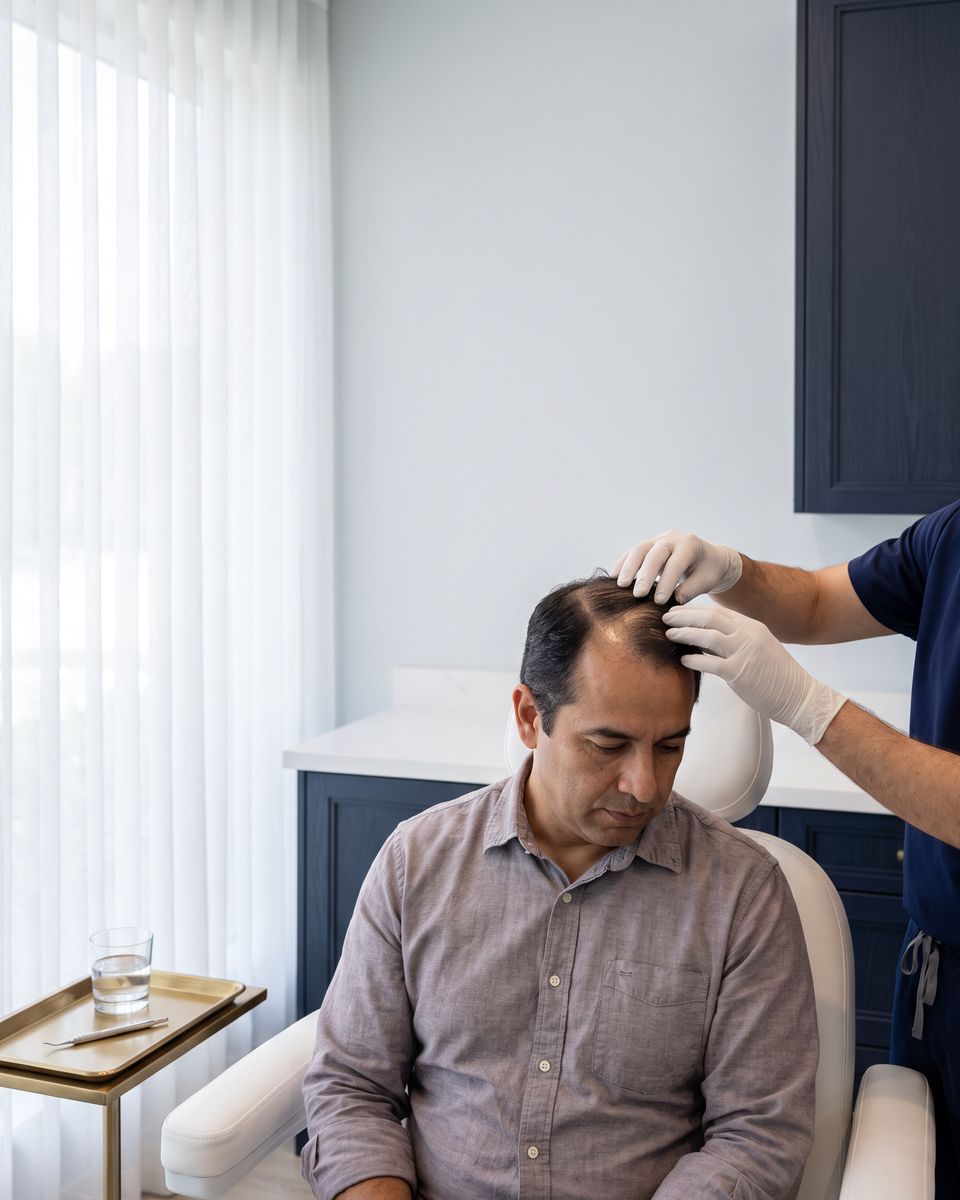
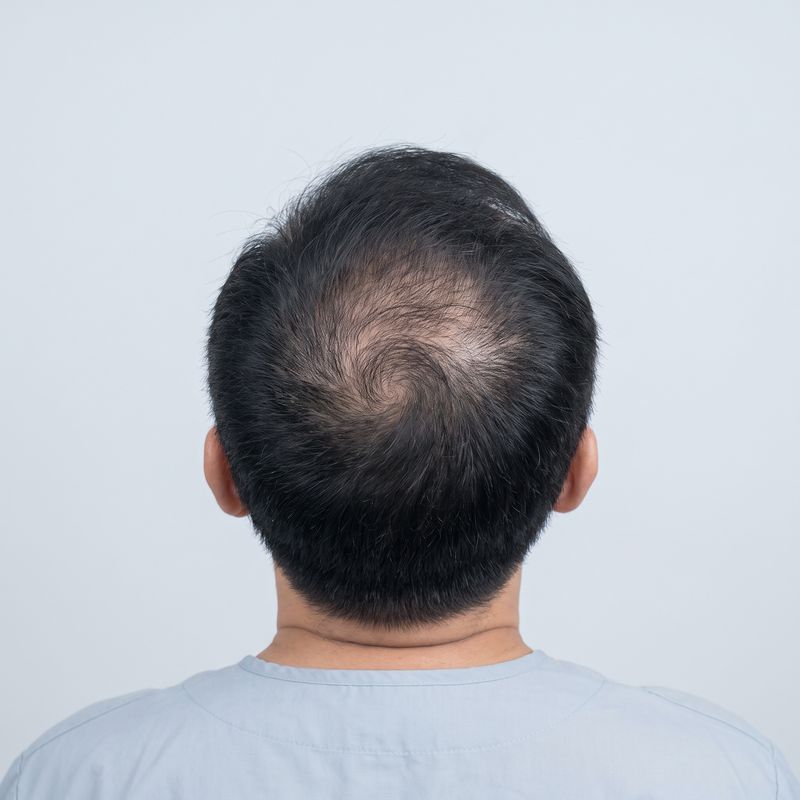
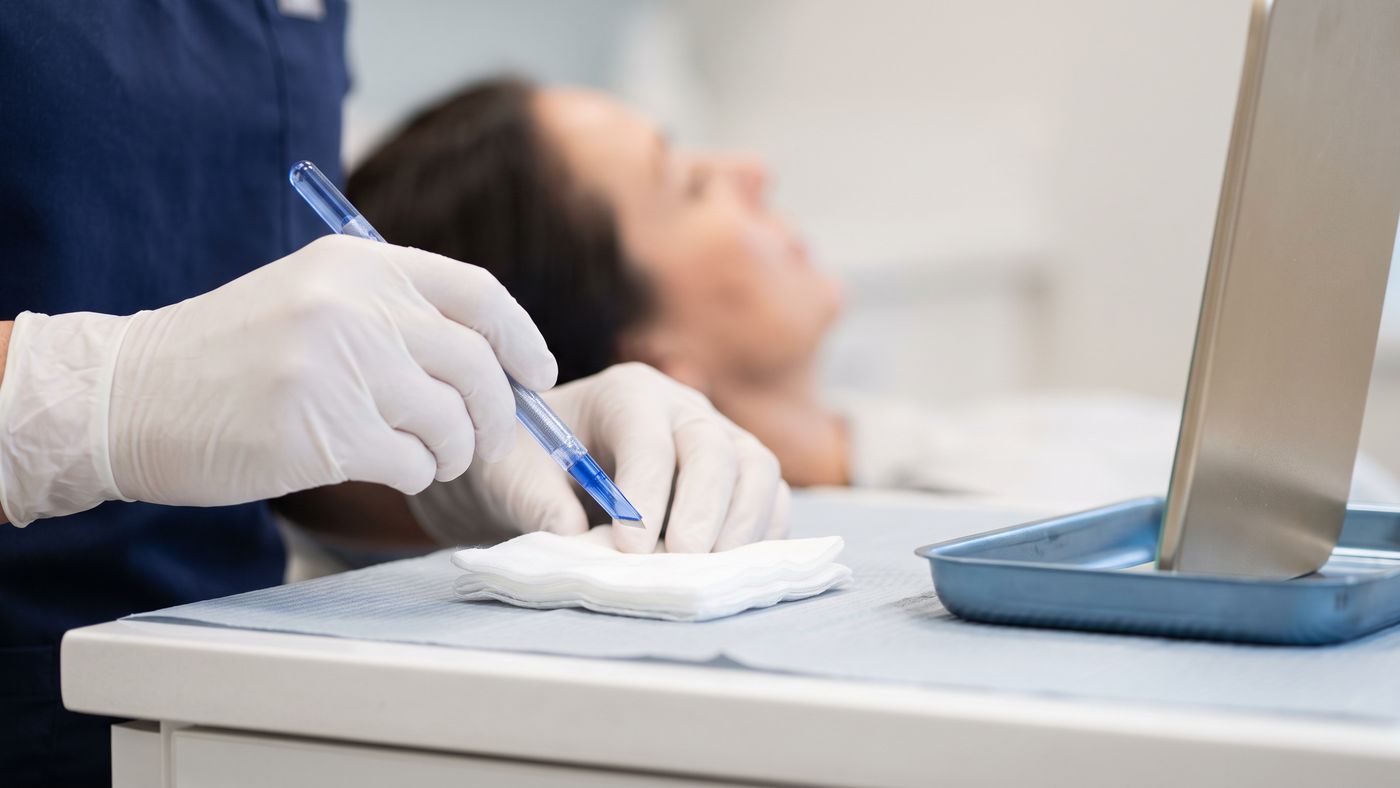
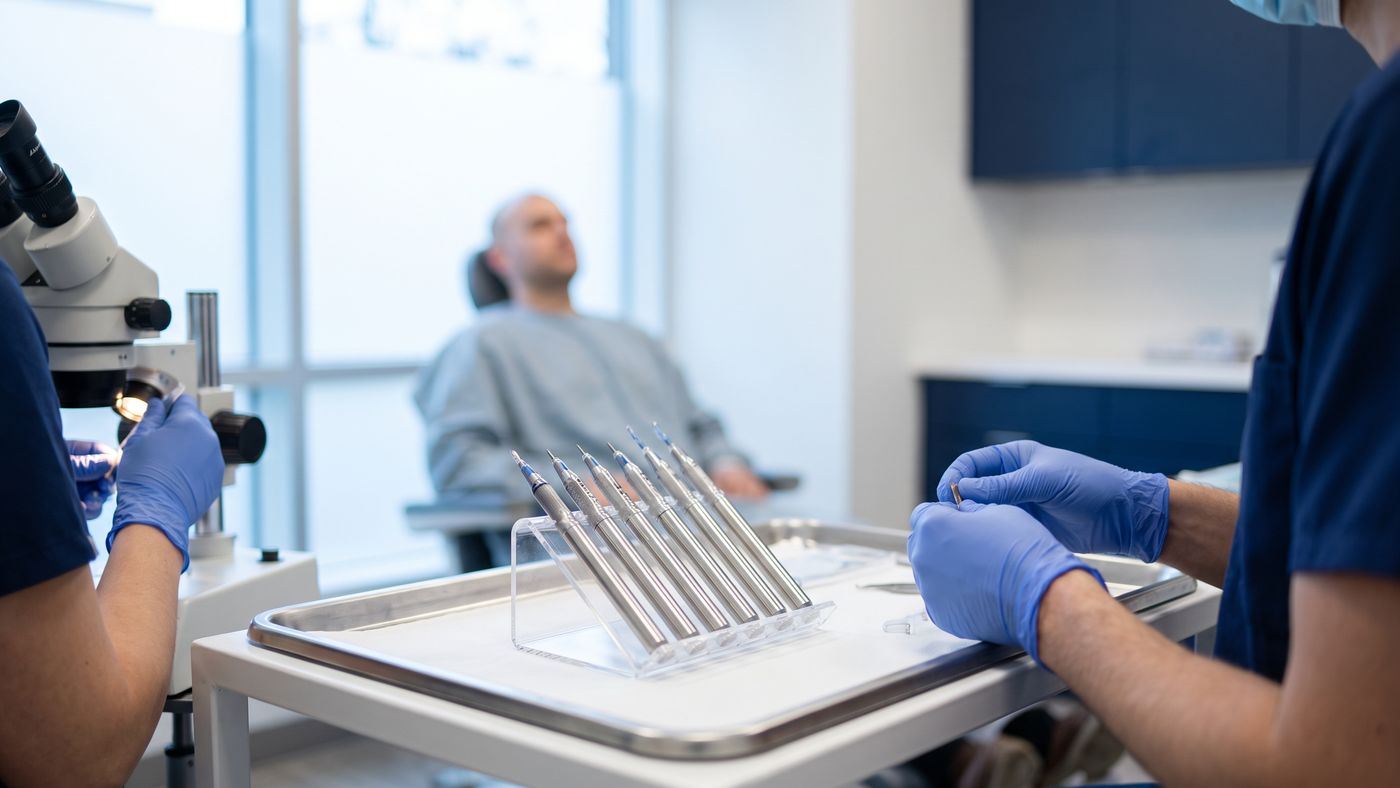
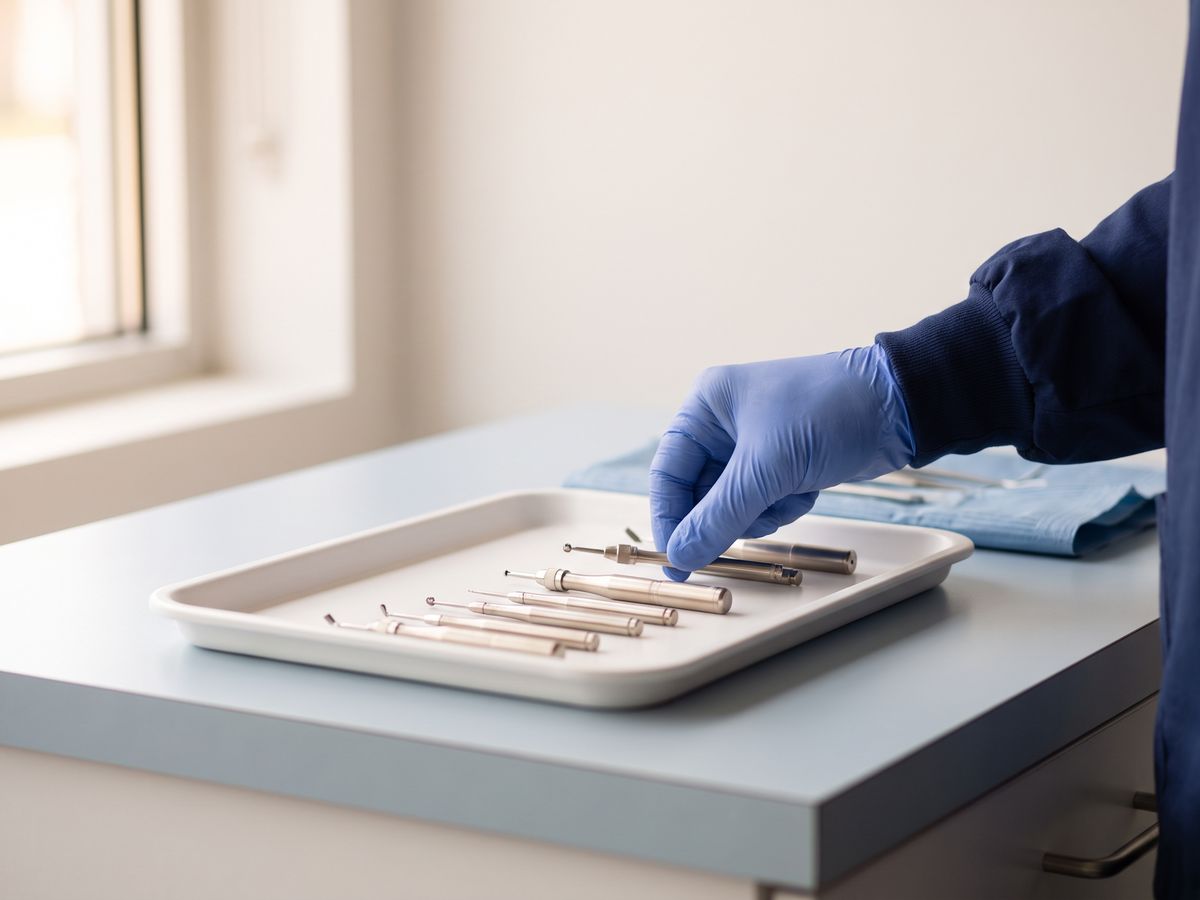
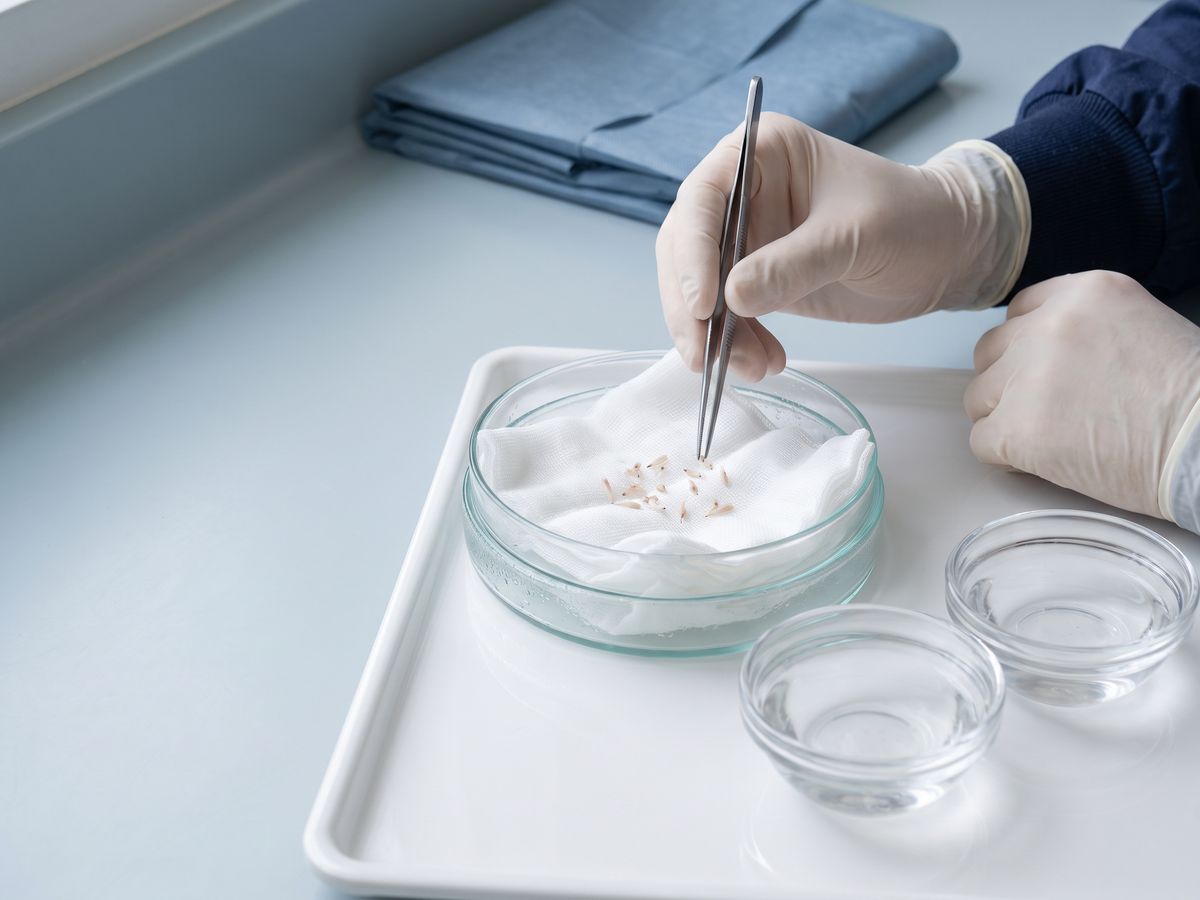
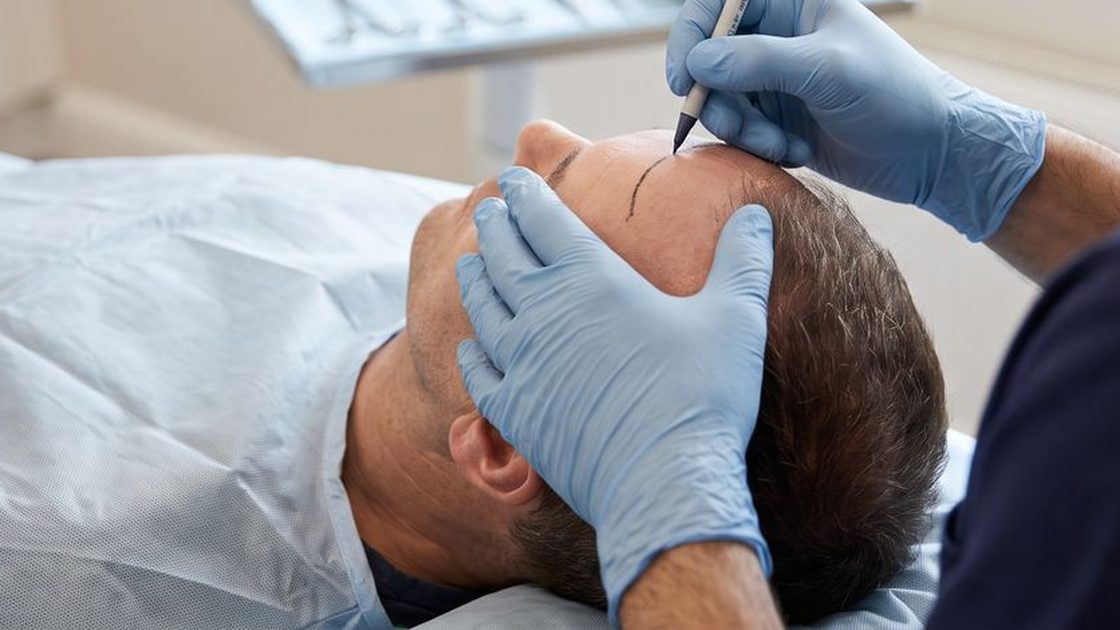
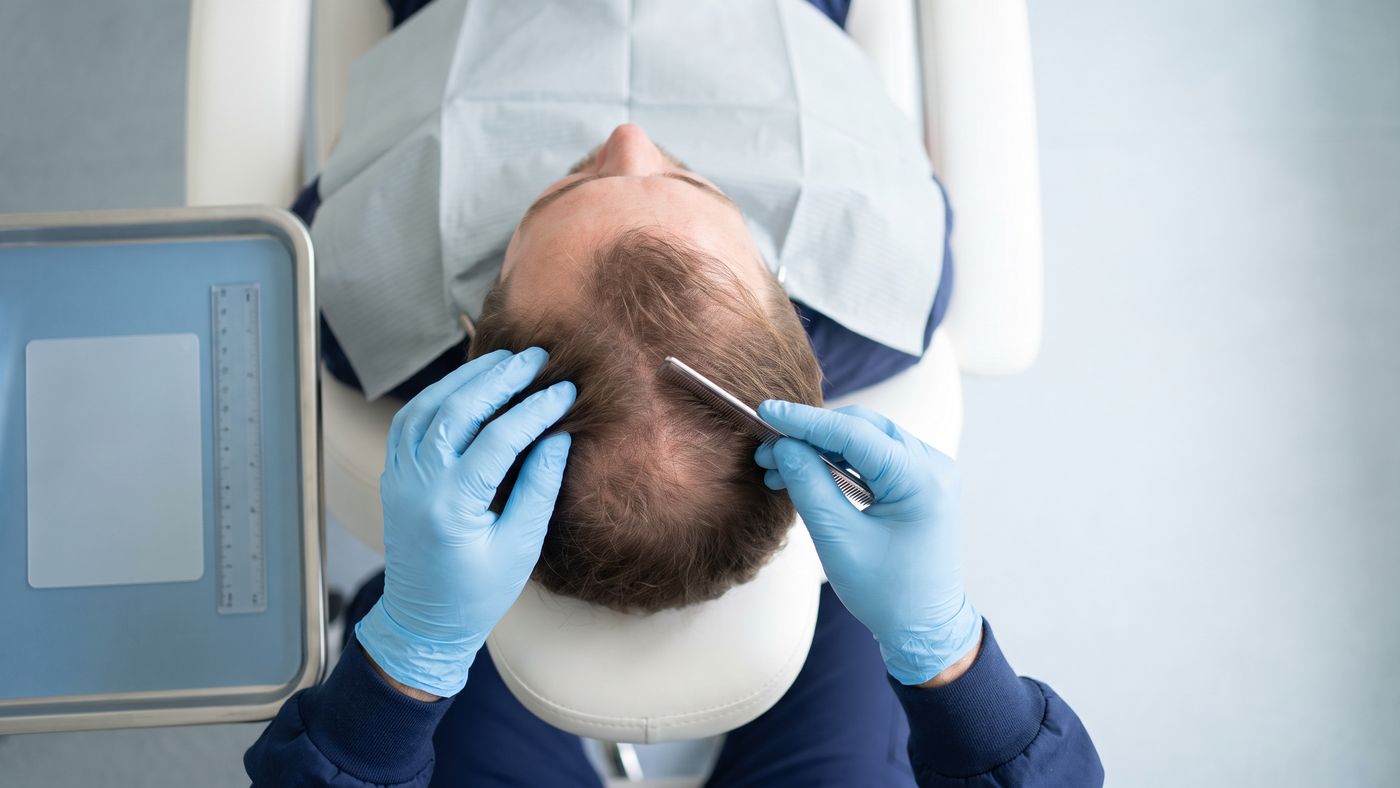
A crown hair transplant is a hair transplant that restores thinning or bald areas at the vertex — the top-back of the head, where hair grows in a spiral whorl. It is the hardest area to restore convincingly, so we recreate your natural whorl pattern for density that looks right from every angle.
Crown restoration is a hair transplant focused on the vertex — the top-back area where hair grows in a spiral (whorl). It's the hardest area to restore convincingly, because grafts must follow a rotating pattern and density must look right from every angle.
Our Turkish-trained, Florida-licensed surgeons learned crown restoration in high-volume Turkish clinics. In South Florida, they plan crown work with the same attention to whorl direction and long-term donor management that Turkish clinics are known for.
crown-restoration-overview.jpg · 16:9
Crown Restoration: an overview of how the procedure works.
Micro-preciseSub-millimeter instruments at your native hair angle.
Natural densityTighter placement for a fuller, even look.
Faster healingLess redness and crusting in week one.
Technique
Crown Restoration
Duration
6–8 hours
Anesthesia
Needle-free local
Hospital stay
Same-day home
Back to work
3–5 days
Graft survival
90%+
Typical plan
1,500–3,000
Final result
12–18 months
Turkish expertise · now in America
Crown Restoration: the Turkish technique, performed in South Florida
In Turkey's high-volume clinics, crown cases are common — often combined with hairline work in large single sessions. That experience teaches surgeons how to distribute grafts between front and crown without exhausting the donor area. Our surgeons bring that crown planning experience to America.
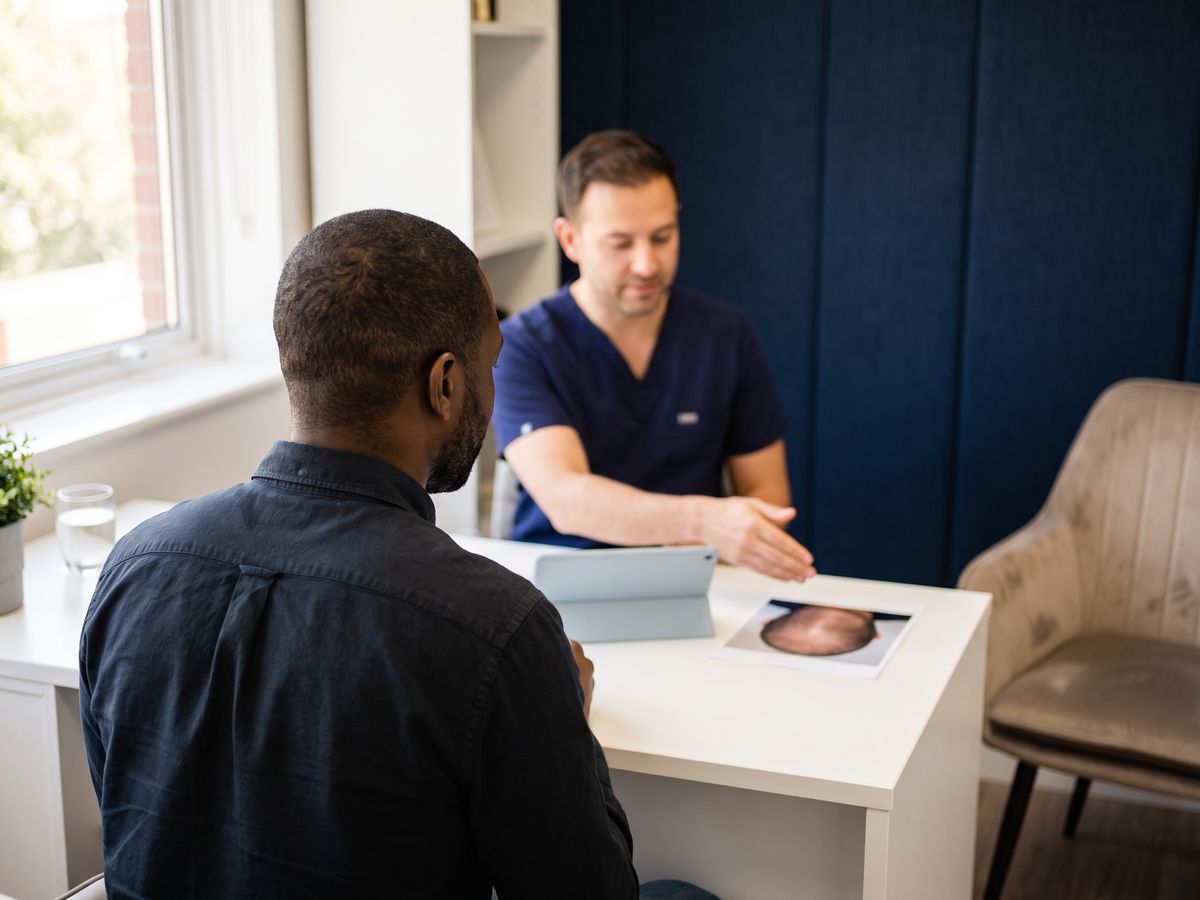
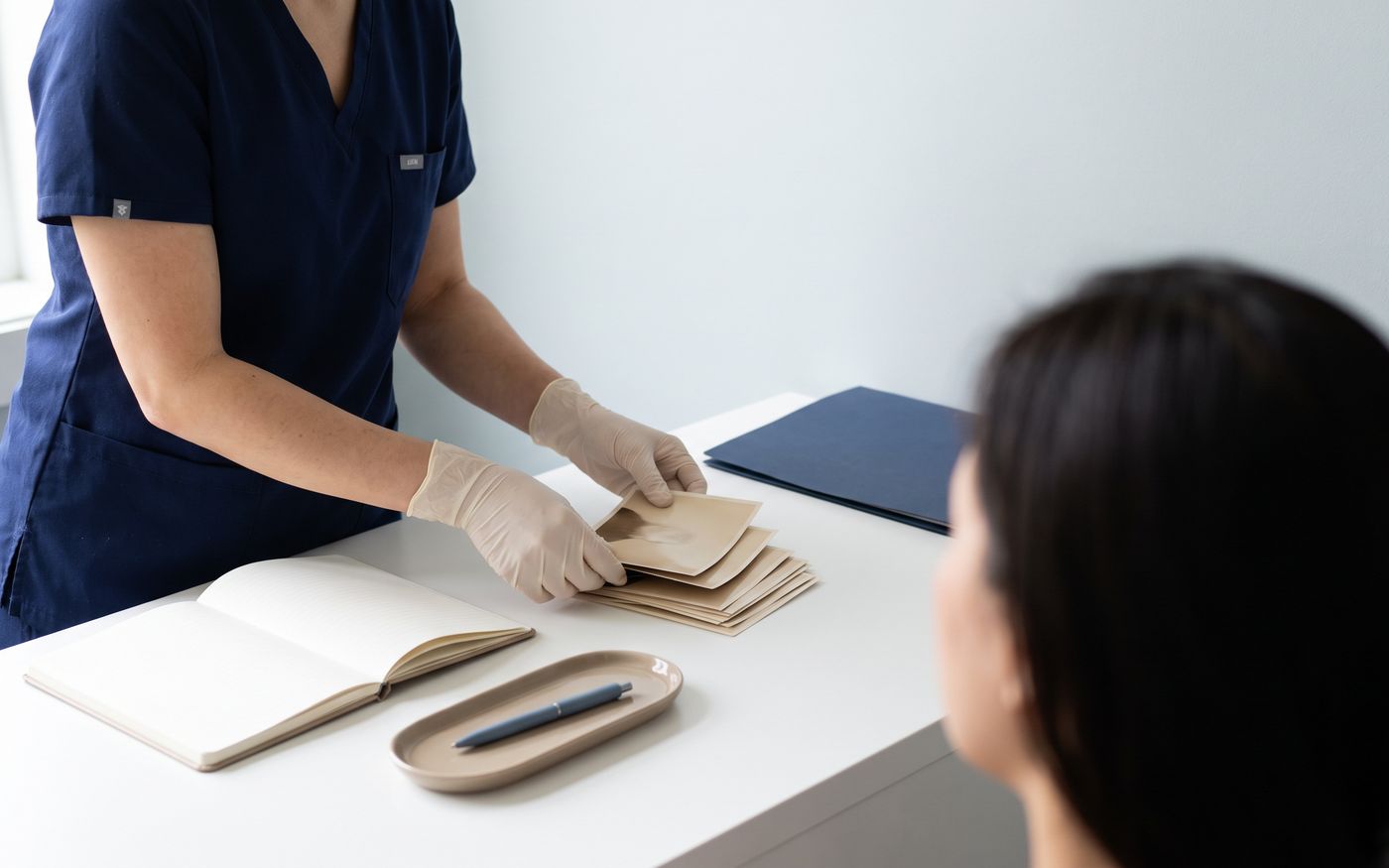
Your surgeon evaluates whether crown restoration makes sense now, or whether medical therapy should stabilize loss first — crown loss often progresses.
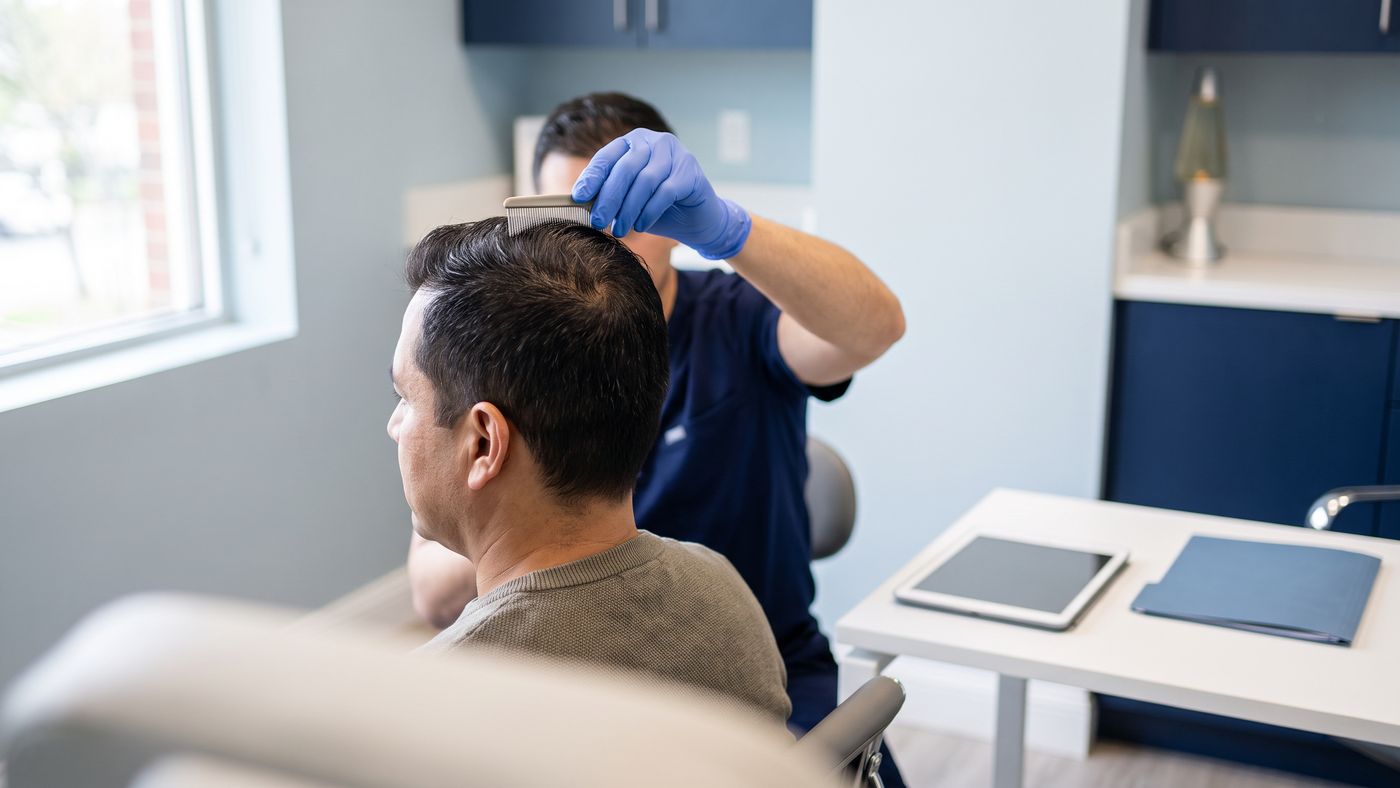
Trichoscopy & donor density map
Hand-drawn design
Written graft plan
crown-restoration-split-2.jpg · 4:3
02 · Technique
Precision at every step
Grafts are placed following your natural whorl pattern, rotating outward from the center of the crown for a realistic look.
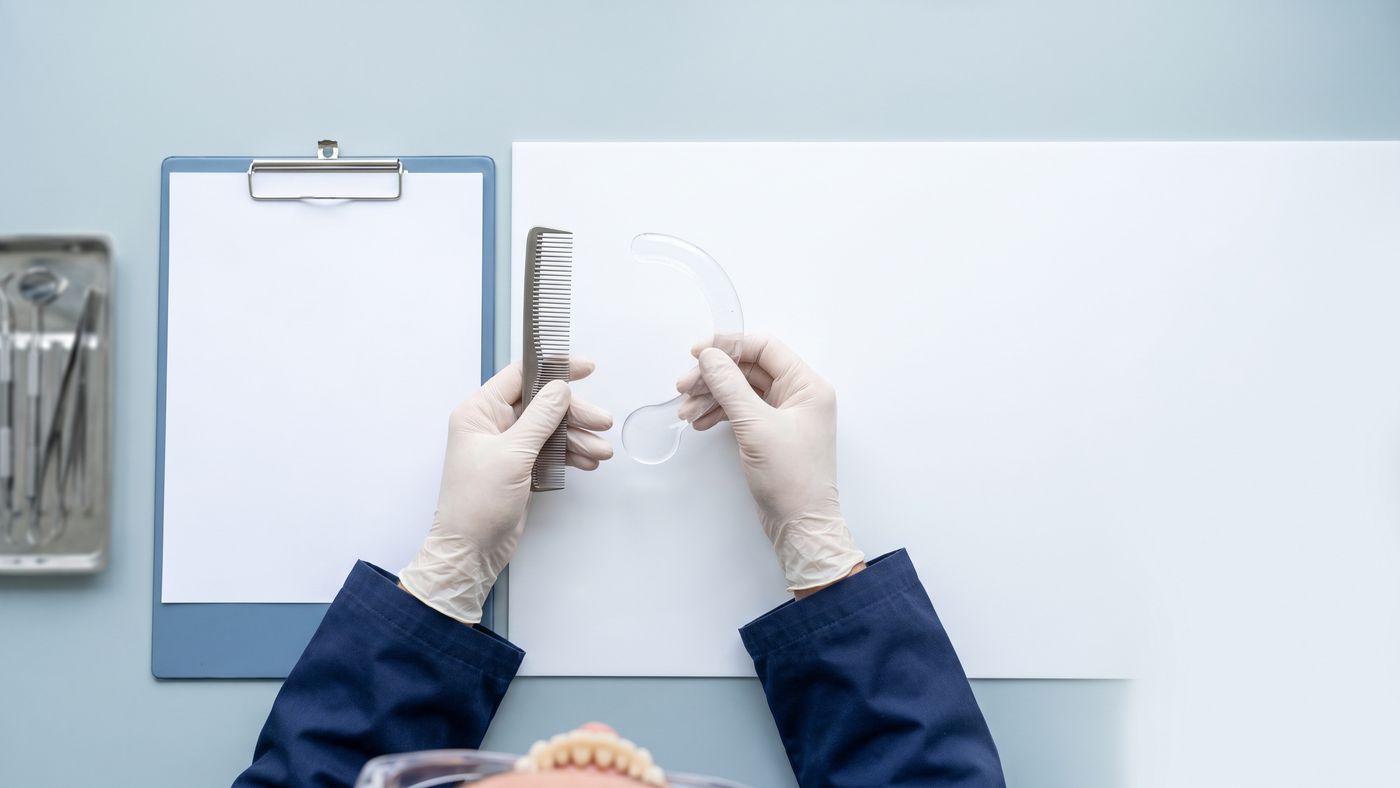
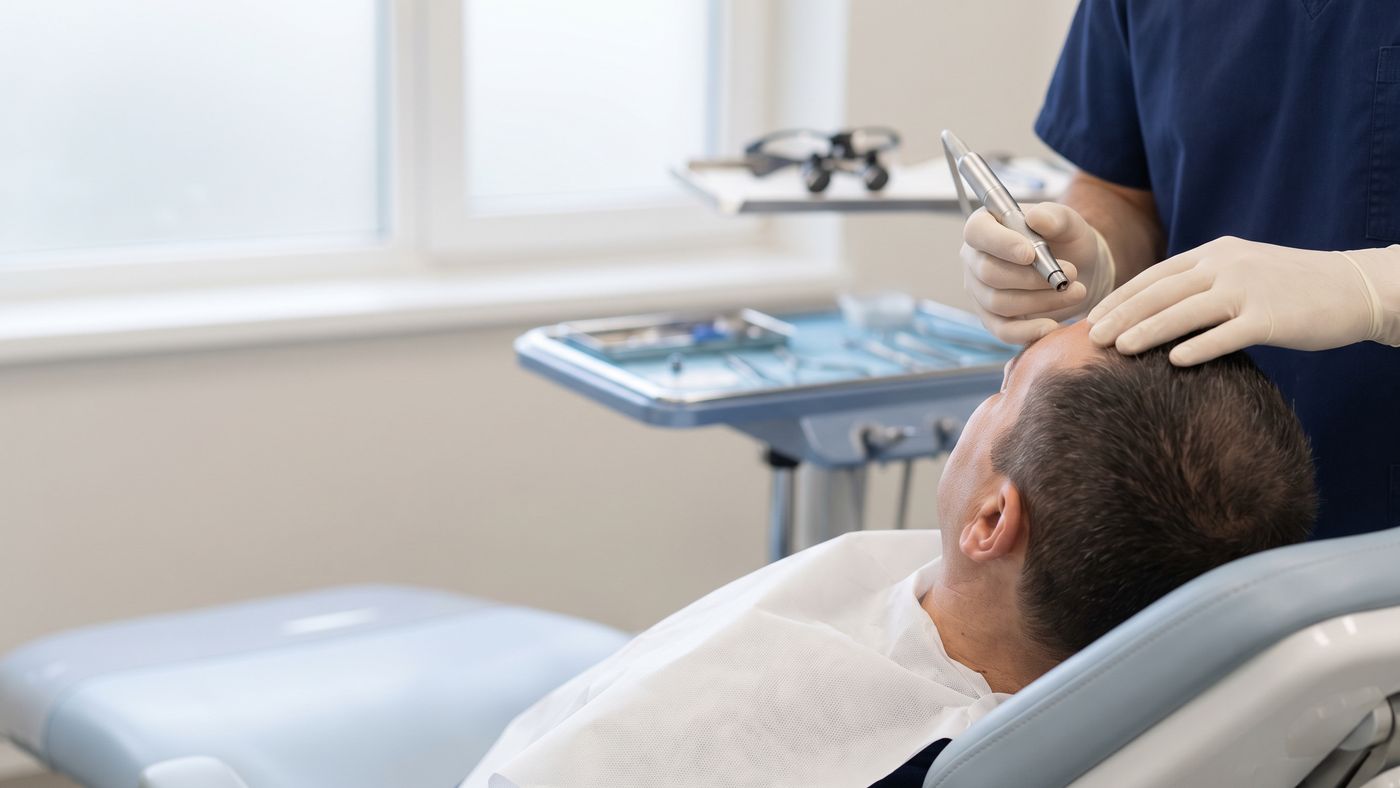
Sub-millimeter instruments
Native angle & direction
Surgeon-performed critical steps
crown-restoration-split-3.jpg · 4:3
03 · Aftercare
Supported until your final result
Crown results mature more slowly — often 12 to 18 months. We follow your progress throughout.
Day-one clinic wash
WhatsApp aftercare line
Reviews at 3, 6, 9 & 12 months
Benefits
Why patients choose this treatment
Whorl matching
Grafts follow the natural crown spiral for a more realistic pattern.
Donor planning
Surgeon balances crown needs with future hairline or mid-scalp options.
Pattern-resistant grafts
Uses donor follicles less sensitive to pattern hair loss.
Same-day care
Local anesthesia allows treatment and discharge on the same day.
Natural direction
Channel angles are planned for crown visibility from multiple viewpoints.
Gradual change
New coverage develops over months; individual results vary.
Candidacy
Is Crown Restoration right for you?
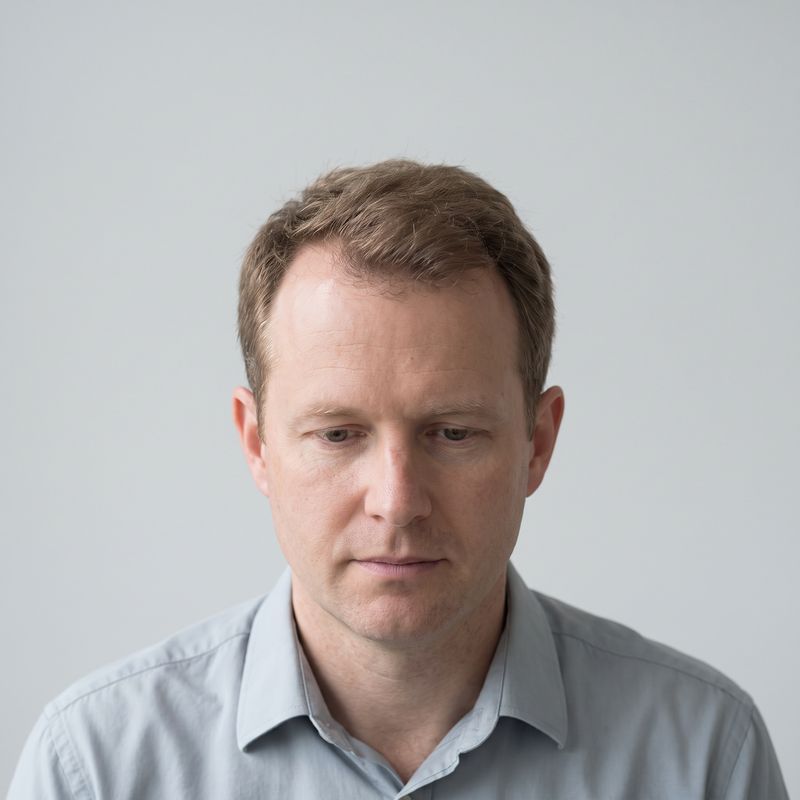
crown-restoration-pattern-1.jpg · 1:1
Early recession
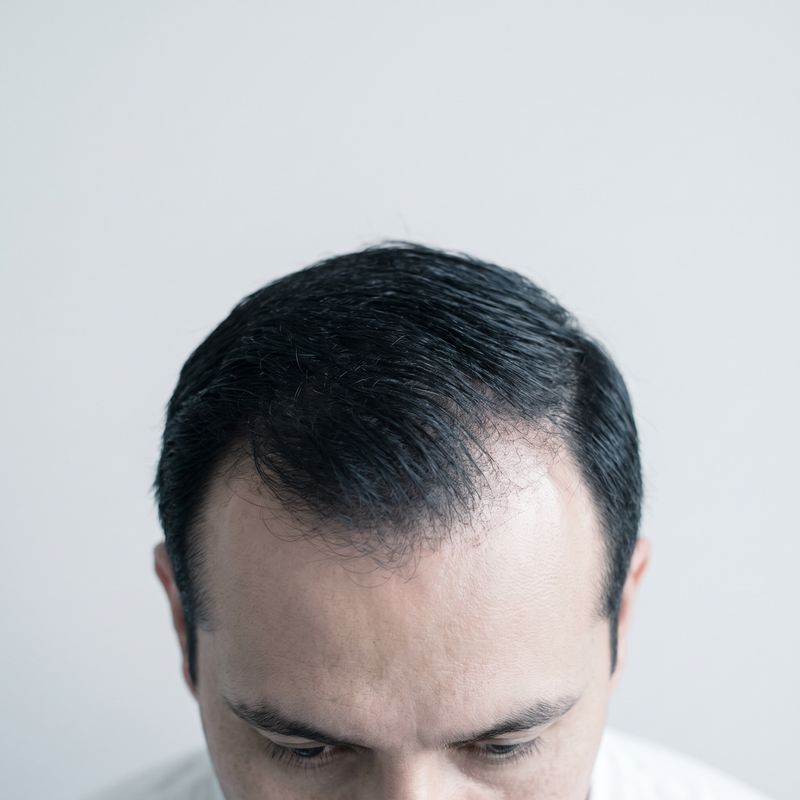
crown-restoration-pattern-2.jpg · 1:1
Receding hairline
crown-restoration-pattern-3.jpg · 1:1
Mid-scalp thinning
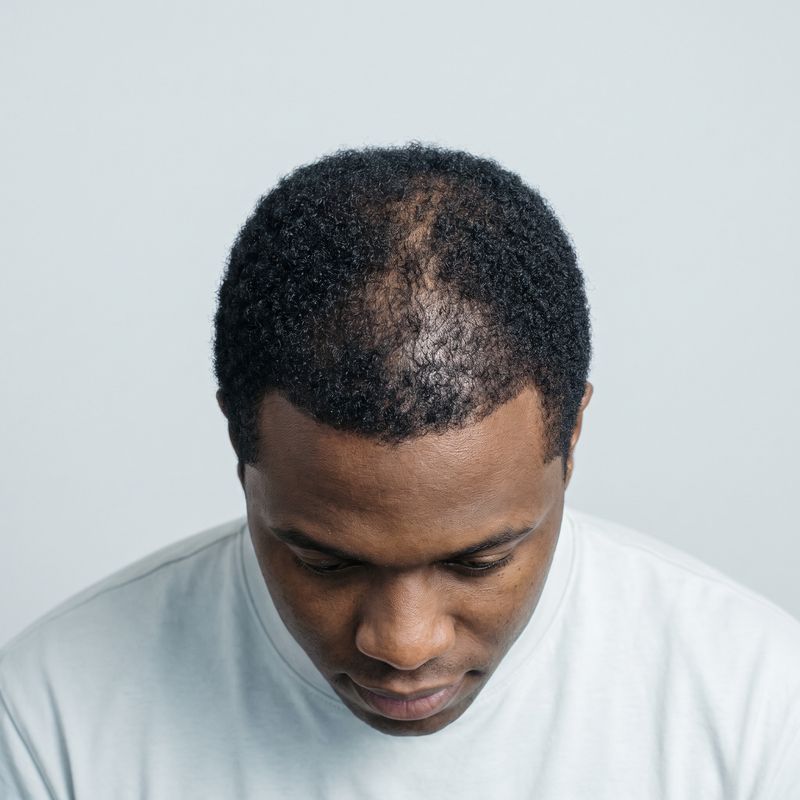
crown-restoration-pattern-4.jpg · 1:1
Crown thinning
A great fit if you…
Defined crown or vertex thinning
Stable donor hair at back and sides
Realistic expectations about gradual growth
Willing to protect existing native hair
Consider alternatives if you…
Rapidly expanding crown loss
Limited donor supply for coverage goals
Active scalp infection or inflammation
Unable to follow aftercare instructions
Not sure? Send us 4 photos — a surgeon reviews every analysis personally, usually within 24 hours.
Step by step
Your crown restoration day
01
Crown mapping 30 min
Your surgeon confirms the crown pattern, reviews donor supply, photographs the vertex, and marks the whorl direction before medication.
crown-restoration-step-1.jpg · 16:9
02
Gentle numbing 20 min
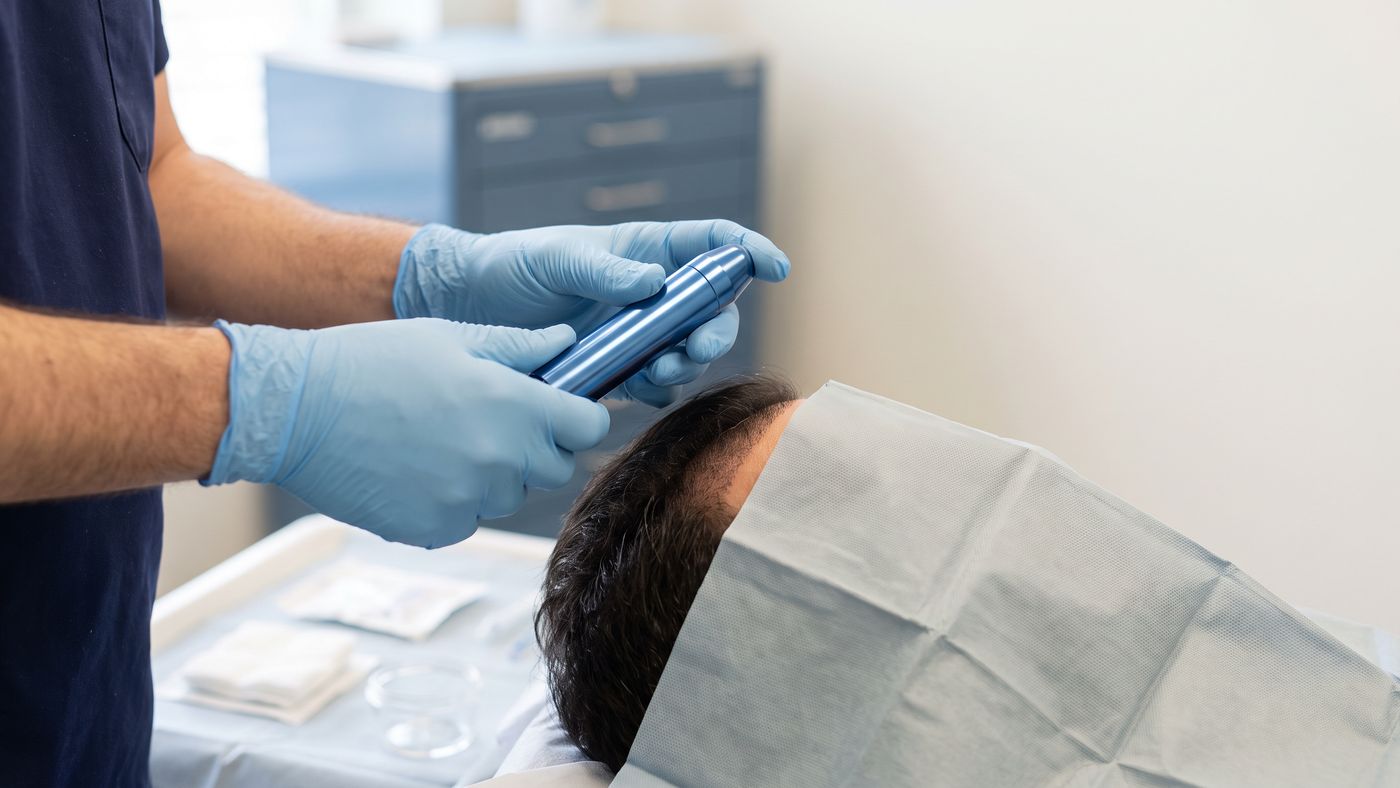
A pressure-based needle-free system begins numbing, then local anesthesia keeps the donor and crown areas comfortable during surgery.
crown-restoration-step-2.jpg · 16:9
03
Donor extraction 2–3 hr
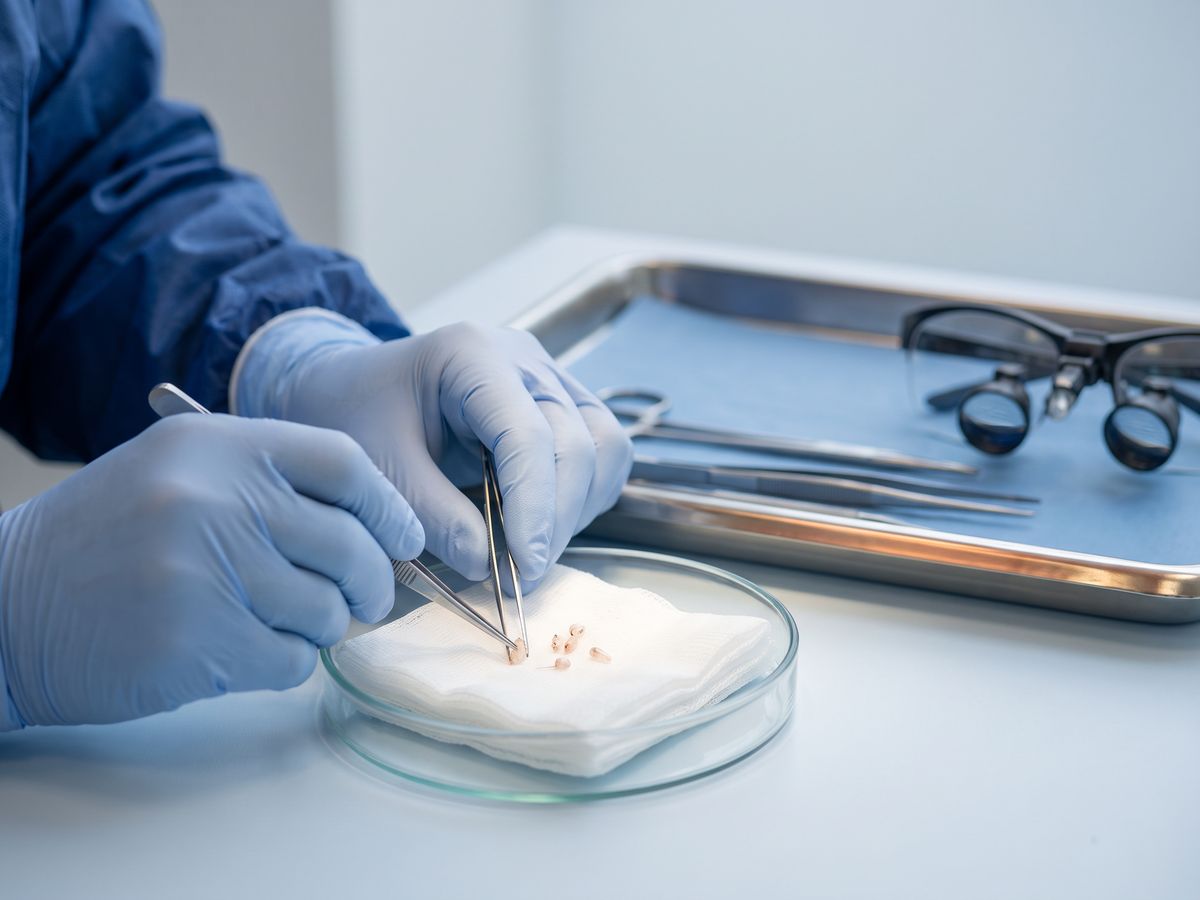
Follicular units are taken from the back and sides of the scalp, leaving small dot-like healing points.
crown-restoration-step-3.jpg · 16:9
04
Whorl channels 45 min
Your surgeon opens tiny channels that rotate outward from the crown center, matching your natural hair direction.
crown-restoration-step-4.jpg · 16:9
05
Graft placement 2–4 hr
Prepared grafts are implanted into the crown channels, then you receive home-care instructions and leave the same day.
crown-restoration-step-5.jpg · 16:9
Technology
Instruments that make the difference
crown-restoration-tech-1.jpg · 4:3
FUE extractionIndividual follicular units are removed from scalp donor zones.
crown-restoration-tech-2.jpg · 4:3
Needle-free startPressure-based first numbing helps begin anesthesia before local injections.
crown-restoration-tech-3.jpg · 4:3
Whorl planningChannels are angled around the vertex spiral.
Consented results only. We publish before-and-after photos only of HAIROCKET patients who give written consent, taken under the same light and angles, without retouching. Our gallery opens with our first consented cases — until then, ask to see results in patients with hair like yours during your free consultation, and read how to judge before-and-after photos.
Recovery timeline
What to expect, month by month
Day 1
Home care
Mild tightness, redness, or swelling can occur after same-day discharge.
Healing starts
Week 1
Scab care
Small scabs loosen as you follow washing and sleeping instructions.
Early care
Months 1–2
Temporary shedding
Transplanted hairs often shed while follicles remain beneath the skin.
Shedding phase
Months 3–4
New sprouts
Early crown growth may appear fine, uneven, or patchy at first.
Early growth
Month 6
Visible change
Coverage usually becomes easier to notice, though results vary by patient.
Noticeable phase
Month 12+
Maturing crown
Texture and density continue settling; native thinning may still need management.
Final review
Safety
Risks, side effects & how we minimize them
Common & temporary
Mild swelling for 2–3 days
Redness and small crusts for 7–10 days
Shock loss in months 1–2
Temporary numbness in the donor area
Rare — call us if you notice
Increasing pain after day 3
Fever or spreading redness
Persistent bleeding
Signs of an allergic reaction
Florida-licensed surgeon on site for every procedure
Your surgeon plans your Crown Restoration procedure, draws the hairline with you and personally performs the critical steps. Your written plan names the surgeon who will operate, so you can verify their Florida license before you book.
Verified reviews only. We publish patient reviews only from verified patients, with their written consent. Until then, judge us by what you can check yourself: our surgeons' Florida licenses, real before-and-after results and a written, all-inclusive quote.
In-depth guide
The complete guide to Crown Restoration
Candidacy and timing
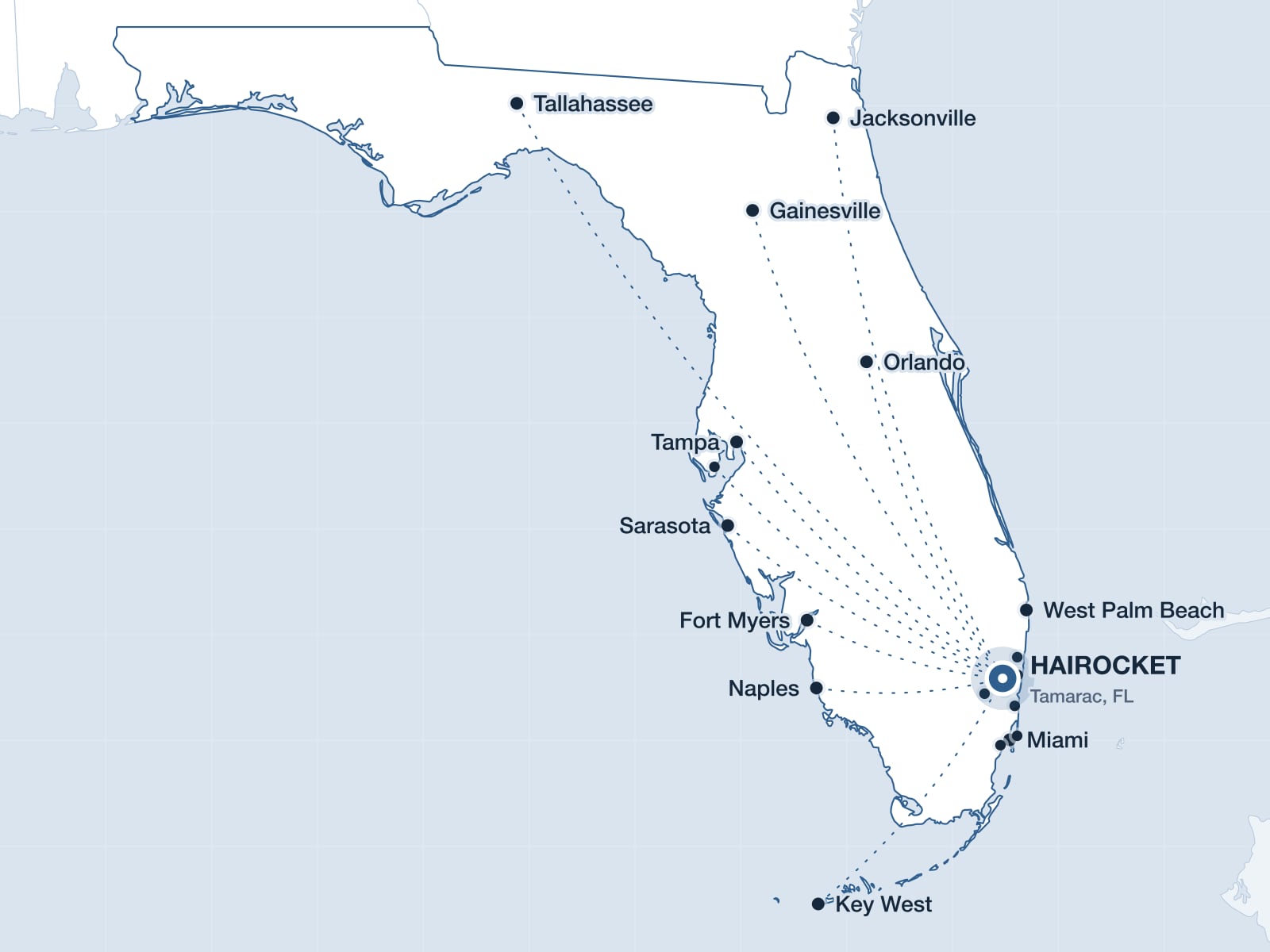
Crown restoration is most useful when vertex thinning is visible enough to treat, but your donor supply can still support the plan. The crown often continues thinning outward, so your surgeon may recommend stabilizing native hair before surgery. At HAIROCKET in Tamarac, crown restoration is available in our fixed-price packages from $5,500, with the recommendation based on examination, donor quality, and the size of the crown area.
crown-restoration-guide-1.jpg · 16:9
Candidacy and timing
Donor planning
The crown can require a meaningful number of grafts because it is viewed from above and hair spreads in a spiral. Typical crown plans use 1,500–3,000 grafts, depending on the area and coverage goals. Your surgeon also considers future needs, because using too many grafts in the vertex can limit options if the hairline or mid-scalp thins later.
Whorl design
A believable crown is not just about adding hair. The channels must follow your natural whorl, rotating outward from the center so the growth direction looks consistent when light hits the scalp. Turkish-trained, Florida-licensed surgeons at HAIROCKET plan the vertex with attention to angle, spacing, and how the crown connects with surrounding native hair.
Procedure day
Crown restoration is performed under local anesthesia. A pressure-based needle-free system starts the numbing process, followed by local anesthetic for comfort. Follicular units are extracted from the back and sides of the scalp, channels are opened in the crown, and grafts are implanted the same day. You go home with written instructions for washing, sleeping, and activity limits.
Recovery timeline
Small donor dots and crown scabs are expected early and usually improve as the scalp heals. Transplanted hairs commonly shed during months 1–2, then new growth begins around months 3–4. Visible change is often clearer around month 6, while crown maturation can continue through month 12 and beyond. Outcomes vary, especially if surrounding native hair keeps thinning.
Glossary
Terms you'll hear
Graft
A follicular unit containing 1–4 hairs, moved as one piece.
Donor area
The back and sides of the scalp, where hair is genetically resistant to loss.
Recipient area
The thinning or bald area where grafts are implanted.
Norwood scale
A 7-stage classification of male pattern hair loss.
Ludwig scale
A 3-stage classification of female pattern hair loss.
Shock loss
Temporary shedding of hair after surgery; it regrows.
Graft survival
The percentage of transplanted grafts that grow.
Hairline design
Planning the shape and irregularity of the frontal hairline.
Questions
Crown Restoration FAQ
Why does the crown take longer to grow?
Blood supply and hair cycle differences mean crown grafts often take up to 18 months to fully mature.
Should I restore my hairline or crown first?
Most surgeons prioritize the hairline, which frames the face. Your surgeon will balance both against your donor supply.
How many grafts does crown restoration need?
Typically 1,500–3,000 grafts, depending on the size of the area and your density goals.
How is crown restoration different from a hairline transplant?
The crown has a spiral growth pattern and is viewed from above, so graft angles must rotate naturally around the whorl. Hairline work frames the face; crown work focuses on coverage, direction, and long-term donor planning.
How many grafts does crown restoration usually need?
Many crown cases fall in the 1,500–3,000 graft range, but your plan depends on the size of the vertex, donor density, hair caliber, and whether future thinning needs to be preserved for.
Is crown restoration painful?
The procedure is done with local anesthesia. HAIROCKET uses a pressure-based needle-free system for the first numbing step, followed by local anesthetic. You may feel pressure or vibration, and soreness afterward is usually managed with aftercare instructions.
Will the transplanted crown hair shed?
Yes, shedding during months 1–2 is common after a scalp hair transplant. The follicles remain in the skin, and new growth often starts around months 3–4. Final crown appearance varies by healing, donor quality, and native thinning.
Can my crown keep thinning after transplant?
Transplanted donor follicles are generally resistant to pattern hair loss, but your native crown hair can continue thinning. Your surgeon may discuss medical therapy or staged planning to help protect the surrounding hair.
When will I see crown growth?
Early growth often begins around months 3–4, with more visible change around month 6. Crown results mature gradually, and results vary. Texture, direction, and density can continue improving through about month 12 or longer.
What happens to the donor area?
Follicular units are removed from the back and sides of the scalp, creating small dot-like healing points. Hair around the donor area helps camouflage them as healing progresses, depending on your haircut and skin response.
What does crown restoration start at?
Crown restoration at HAIROCKET is available in our fixed-price packages: Essential $5,500, Signature $5,750 or Elite $8,000. Each covers all the grafts your donor area can safely provide; your surgeon recommends a package after examining your scalp.
Turkish hair transplant expertise — now in America.
Turkey became the world's hair transplant capital by performing more procedures, with more refined techniques, than anywhere else. HAIROCKET brings that expertise to South Florida — Turkish-trained surgeons, licensed in Florida, working to U.S. medical standards. Same artistry. No 10-hour flight.