PRP for hair loss is a non-surgical treatment in which platelet-rich plasma, concentrated from a small sample of your own blood, is injected into thinning areas of the scalp. It helps strengthen thinning hair and supports transplanted grafts — with no downtime.
PRP for hair loss uses platelet-rich plasma from your own blood to support thinning hair. A small blood sample is spun to concentrate platelets, which are then injected into the scalp to help strengthen existing follicles. PRP involves no surgery and no downtime.
Turkish clinics routinely combine PRP with hair transplants to support graft growth. At HAIROCKET, PRP is offered on its own and is included in the Signature and Elite transplant packages, by Turkish-trained, Florida-licensed physicians in South Florida.
prp-therapy-overview.jpg · 16:9
PRP Therapy: an overview of how the procedure works.
Micro-preciseSub-millimeter instruments at your native hair angle.
Natural densityTighter placement for a fuller, even look.
Faster healingLess redness and crusting in week one.
Technique
PRP Therapy
Duration
45 minutes
Anesthesia
Needle-free local
Hospital stay
Same-day home
Back to work
None
Graft survival
90%+
Typical plan
3–4 sessions
Final result
3–6 months
Turkish expertise · now in America
PRP Therapy: the Turkish technique, performed in South Florida
In high-volume Turkish clinics, PRP is part of the standard transplant protocol. Our physicians follow the same approach in America — PRP to support new grafts and to protect native hair — under Florida licensure and U.S. clinical standards.
Your physician assesses your hair loss and whether PRP alone, PRP with medication or a transplant is the right plan.
Trichoscopy & donor density map
Hand-drawn design
Written graft plan
prp-therapy-split-2.jpg · 4:3
02 · Technique
Precision at every step
Blood is drawn and processed in a centrifuge; platelet-rich plasma is injected into thinning areas with numbing for comfort.
Sub-millimeter instruments
Native angle & direction
Surgeon-performed critical steps
prp-therapy-split-3.jpg · 4:3
03 · Aftercare
Supported until your final result
Most PRP plans include three to four sessions a month apart, with maintenance sessions as needed. Changes are usually visible after three to six months.
Day-one clinic wash
WhatsApp aftercare line
Reviews at 3, 6, 9 & 12 months
Benefits
Why patients choose this treatment
Non-surgical support
No graft removal, channels or implantation are involved.
Own plasma
PRP uses platelet-rich plasma prepared from your blood sample.
Existing hair
Supports thinning and miniaturizing follicles that are still present.
Same-day routine
Most patients return to normal activities after the visit.
Combination option
Can complement medical therapy or a hair transplant plan.
Physician performed
Performed by Turkish-trained, Florida-licensed physicians in Tamarac.
Candidacy
Is PRP Therapy right for you?
prp-therapy-pattern-1.jpg · 1:1
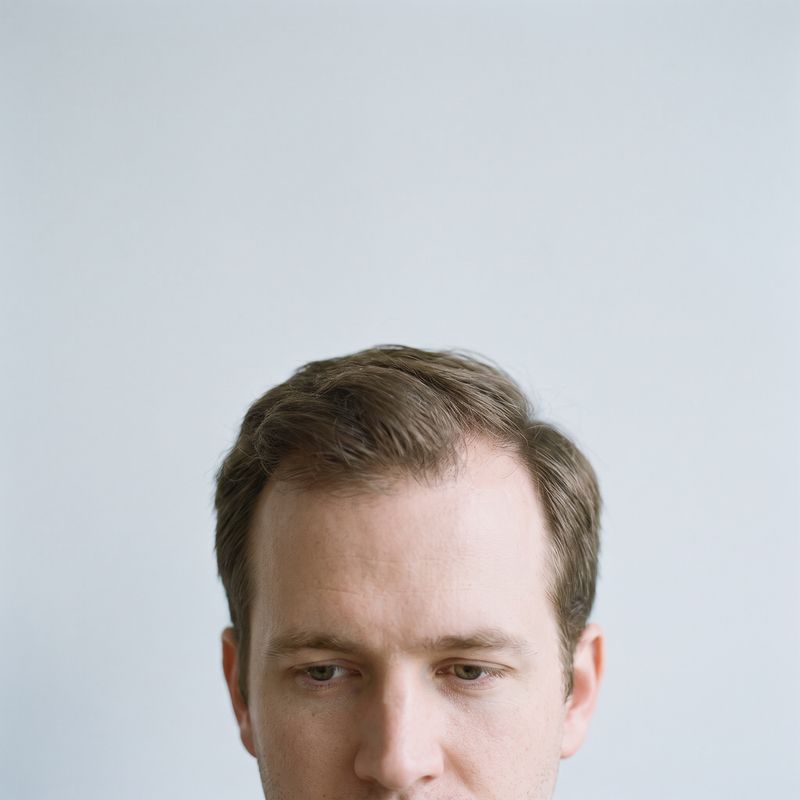
Early recession
prp-therapy-pattern-2.jpg · 1:1
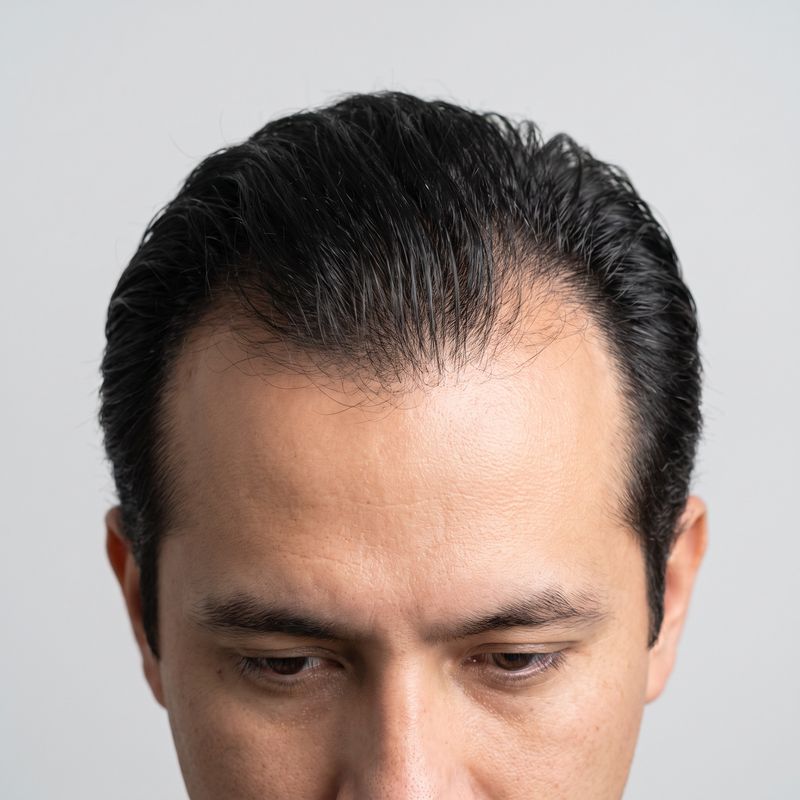
Receding hairline
prp-therapy-pattern-3.jpg · 1:1
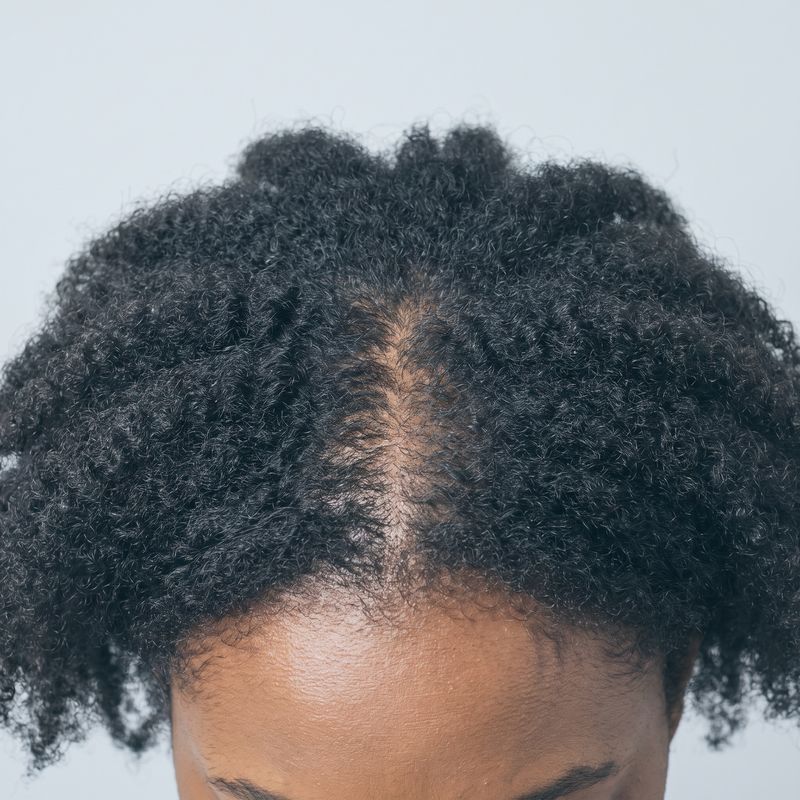
Mid-scalp thinning
prp-therapy-pattern-4.jpg · 1:1
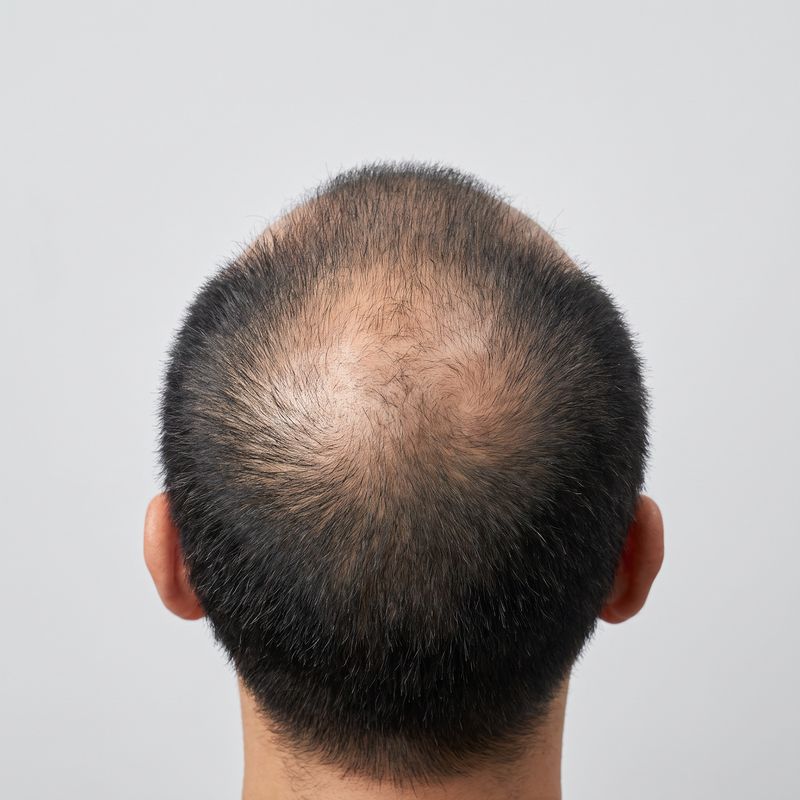
Crown thinning
A great fit if you…
Early thinning or shedding
Miniaturizing existing hair
PRP with transplant support
Willing to attend maintenance
Consider alternatives if you…
Active scalp infection
Certain blood disorders
Areas with no follicles
Unable to pause heavy exercise
Not sure? Send us 4 photos — a surgeon reviews every analysis personally, usually within 24 hours.
Step by step
Your PRP session
01
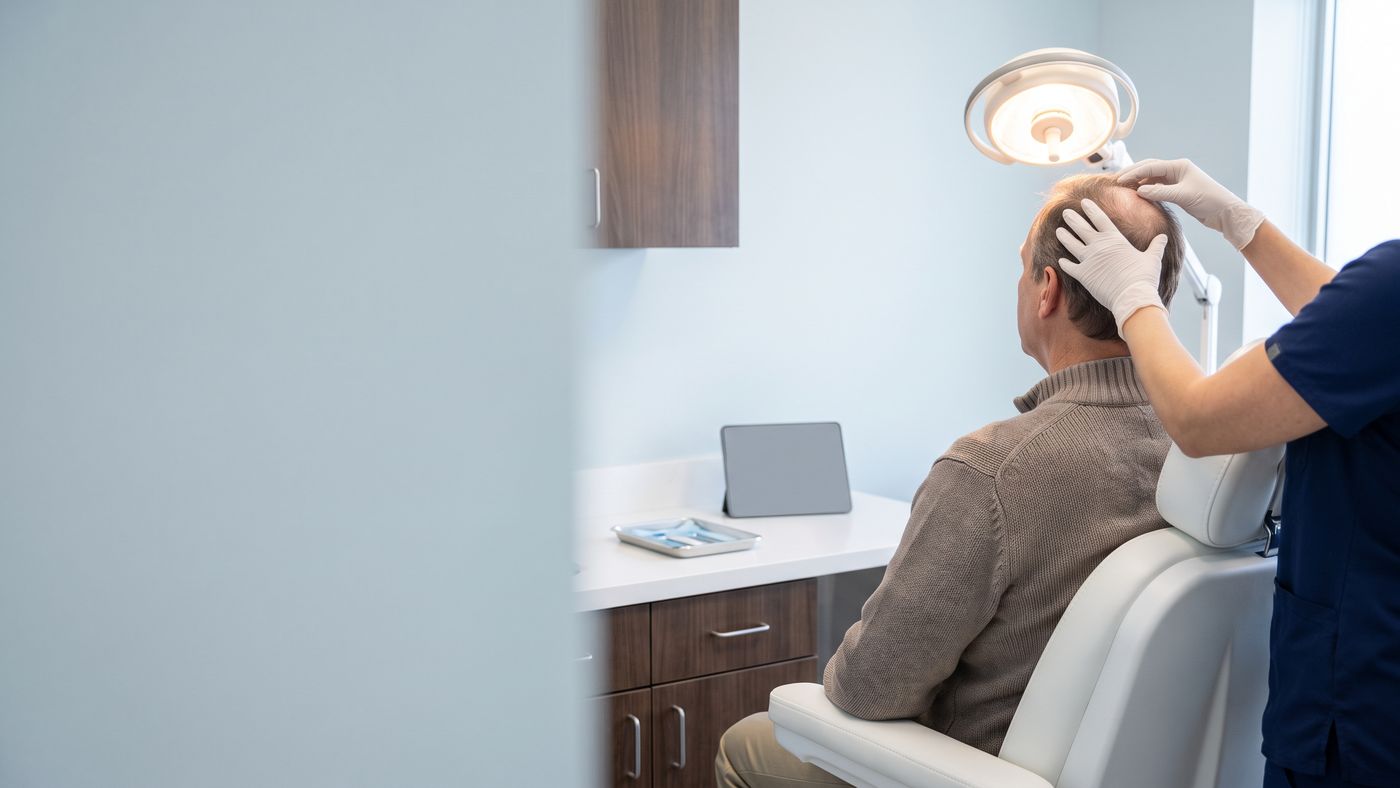
Scalp review 10 min
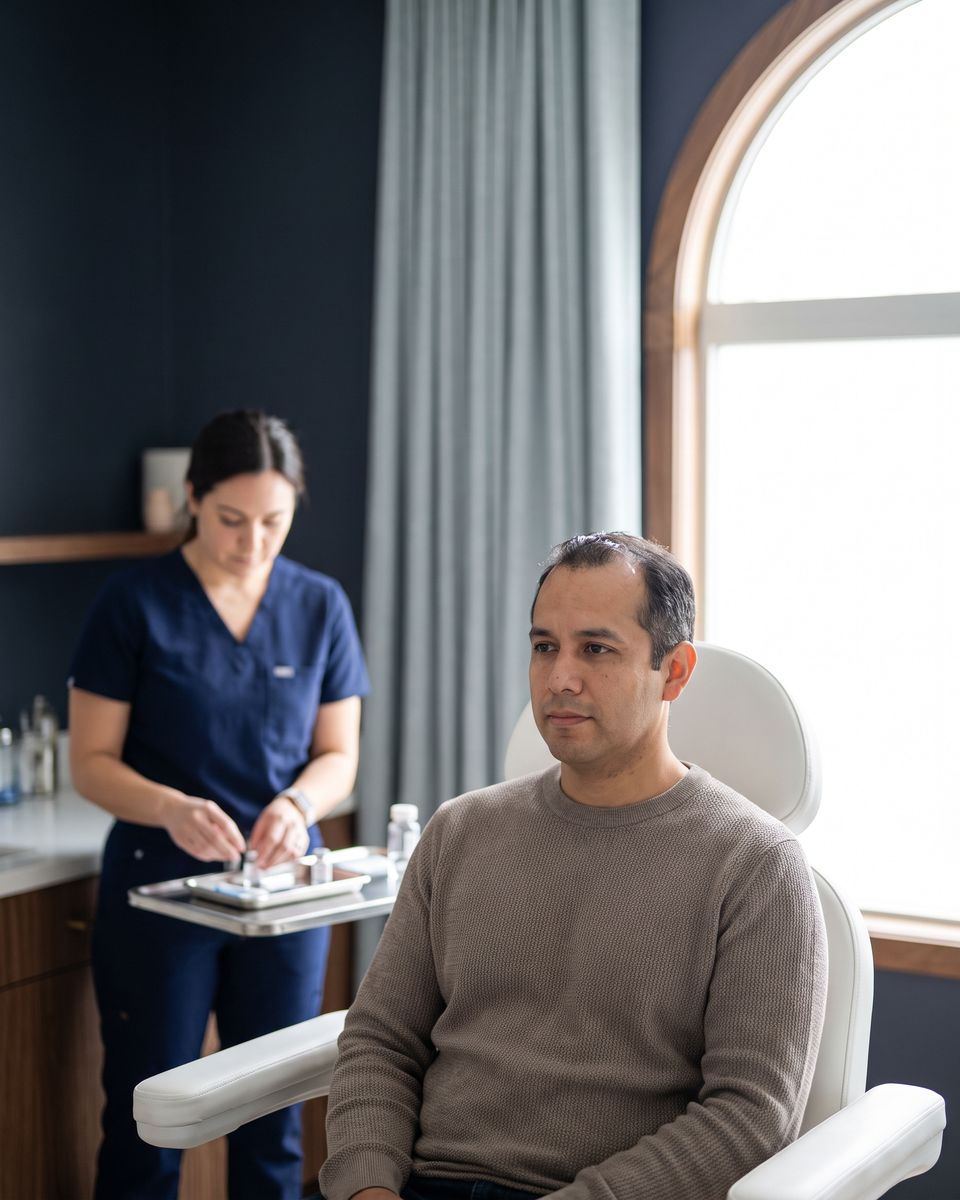
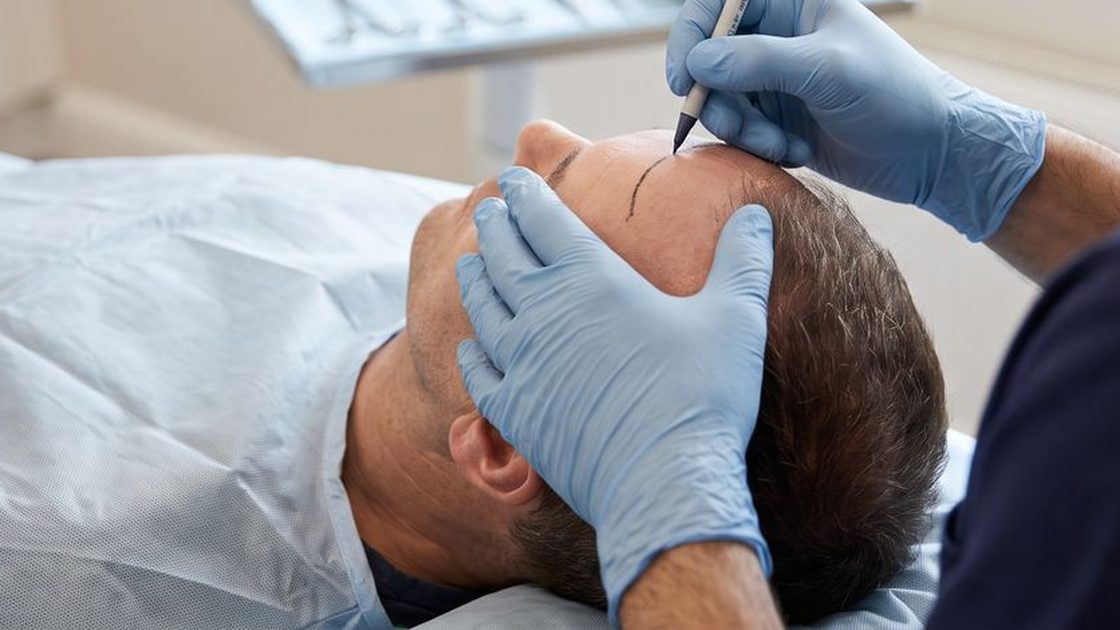
Your physician reviews thinning areas, scalp health, medications and whether PRP fits your hair restoration plan.
prp-therapy-step-1.jpg · 16:9
02
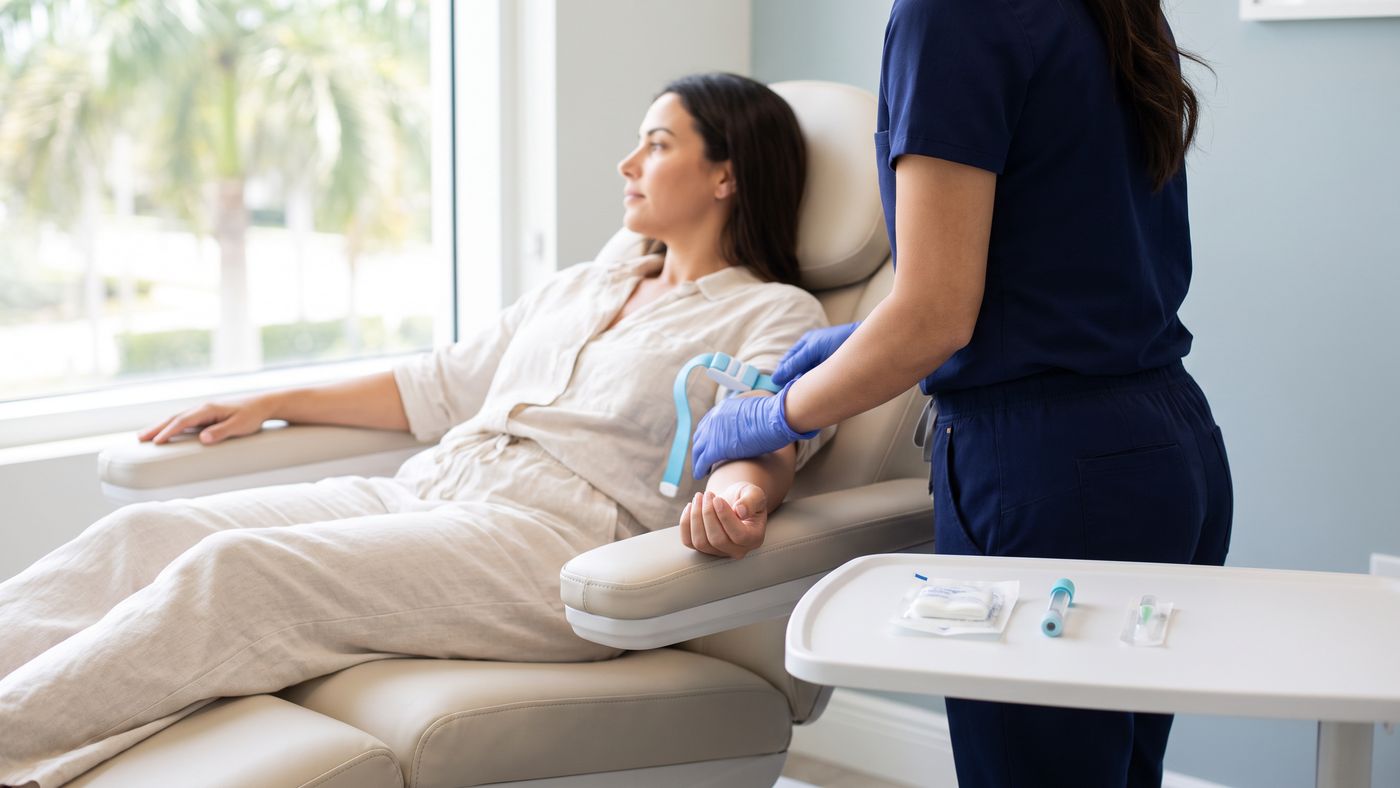
Blood draw 5 min
A small blood sample is taken from your arm, similar to routine lab work.
prp-therapy-step-2.jpg · 16:9
03
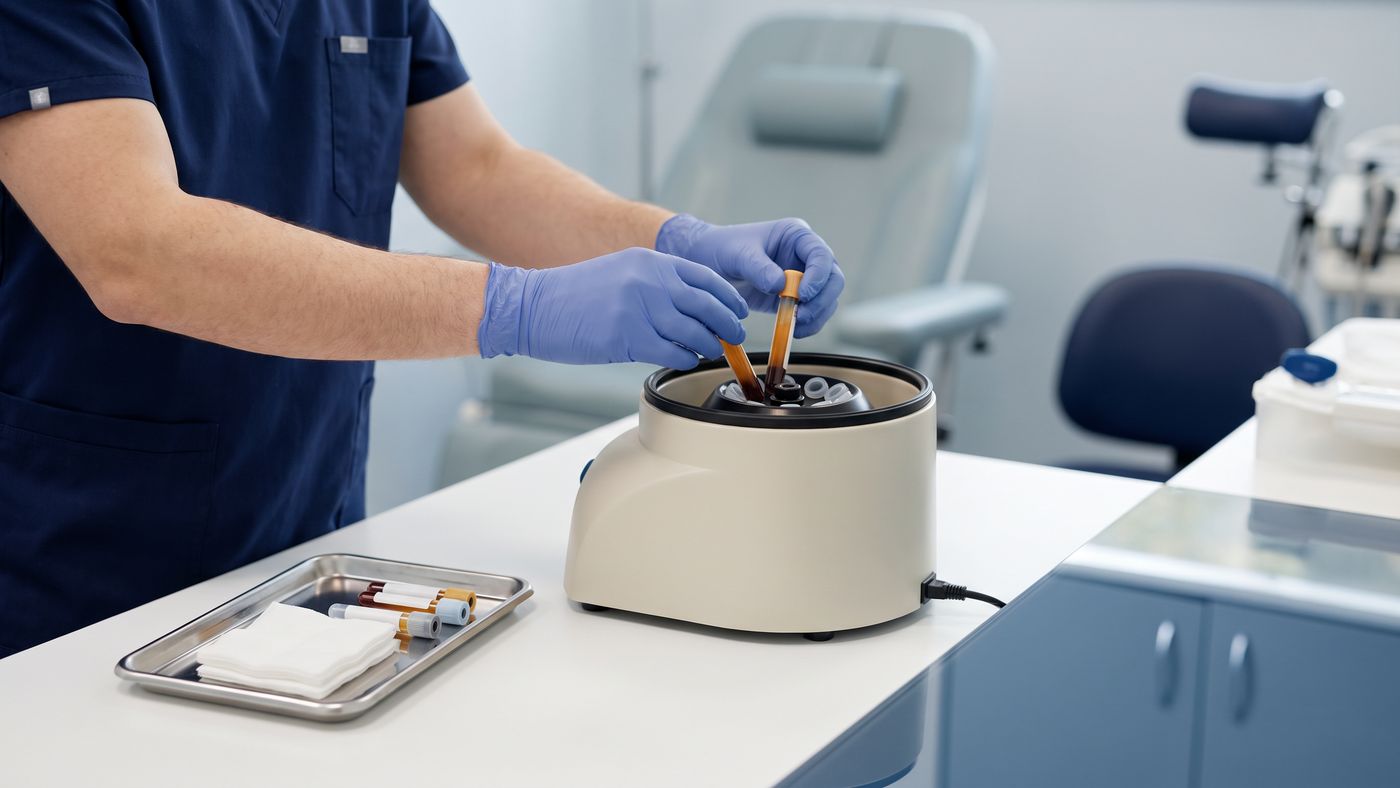
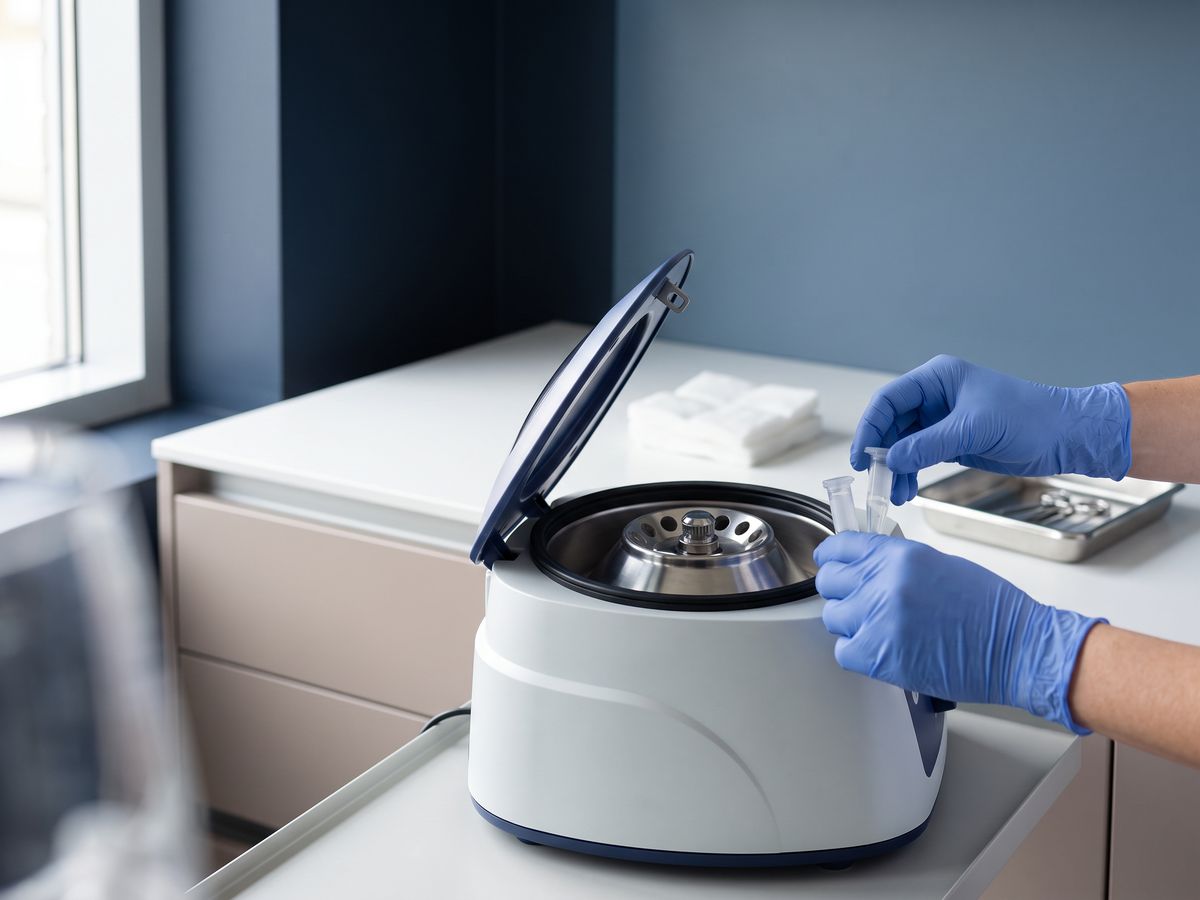
Platelet processing 10–15 min
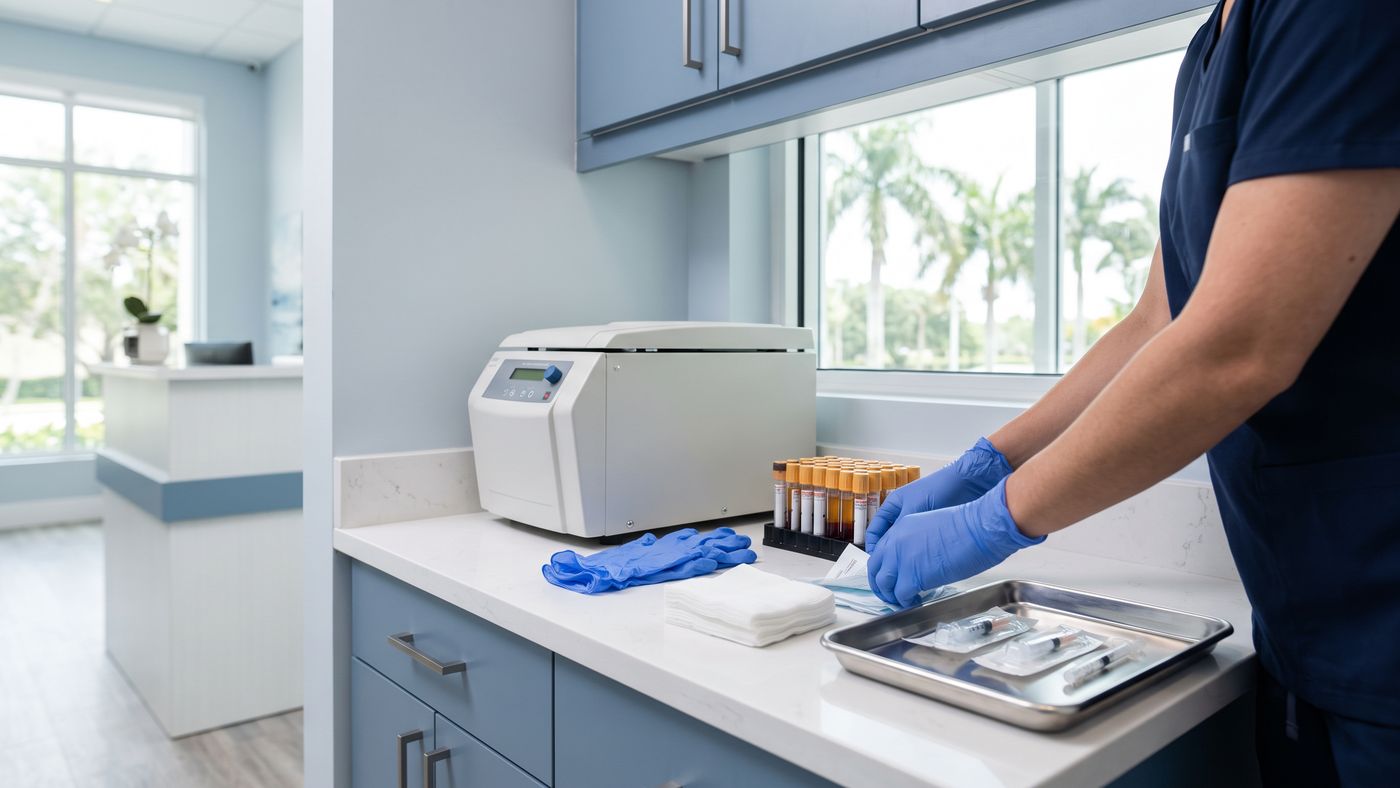
The sample is spun in a centrifuge to separate and concentrate platelet-rich plasma for treatment.
prp-therapy-step-3.jpg · 16:9
04
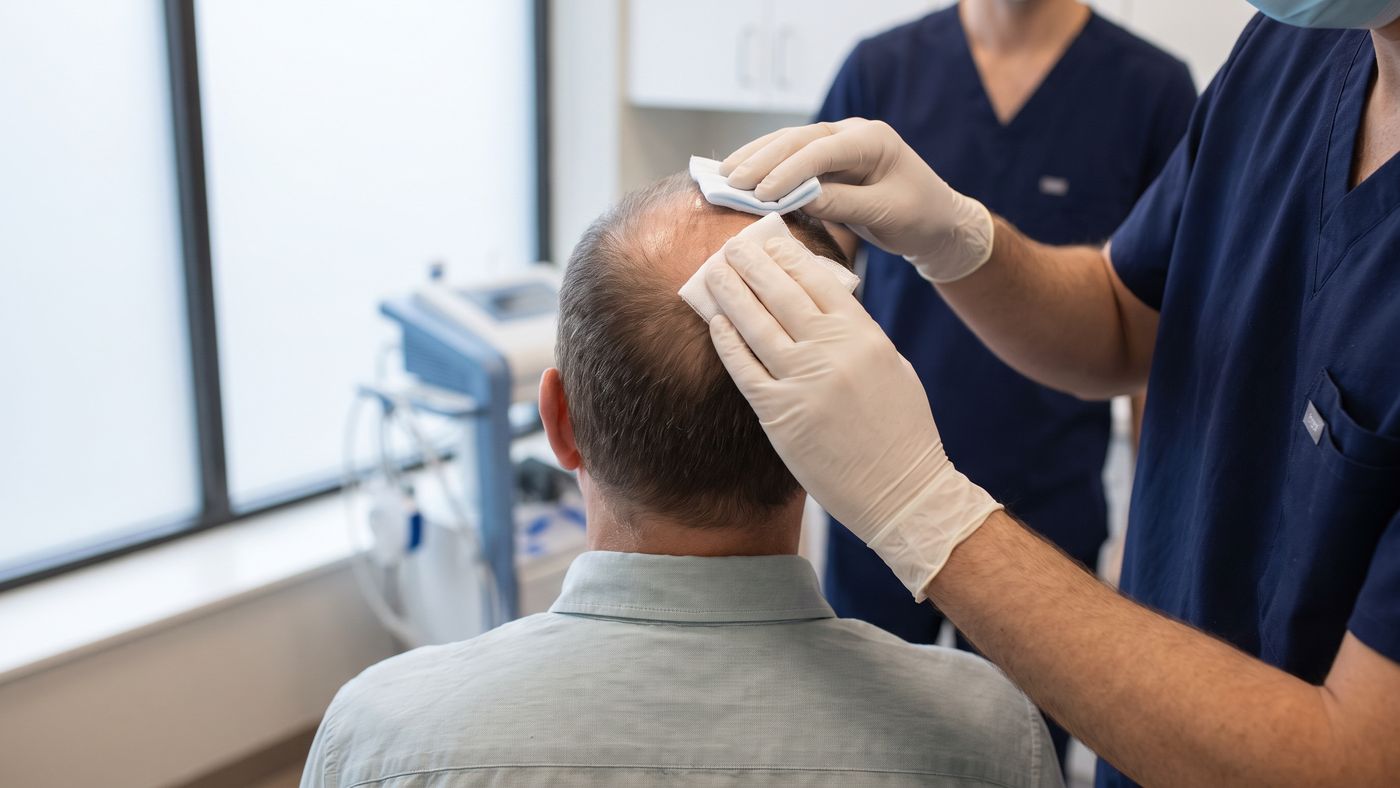
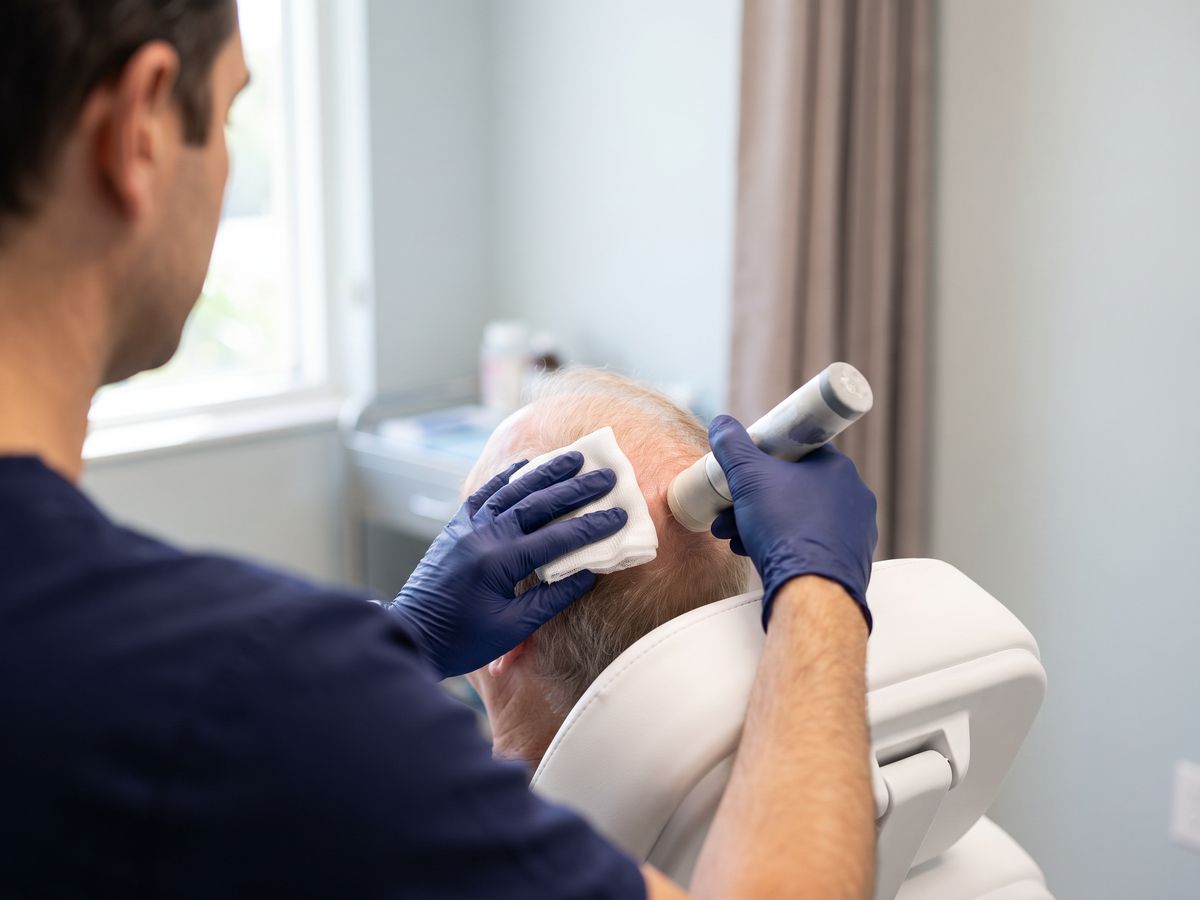
Scalp numbing 10 min
Cooling or local numbing is used to make injections into sensitive thinning areas more comfortable.
prp-therapy-step-4.jpg · 16:9
05
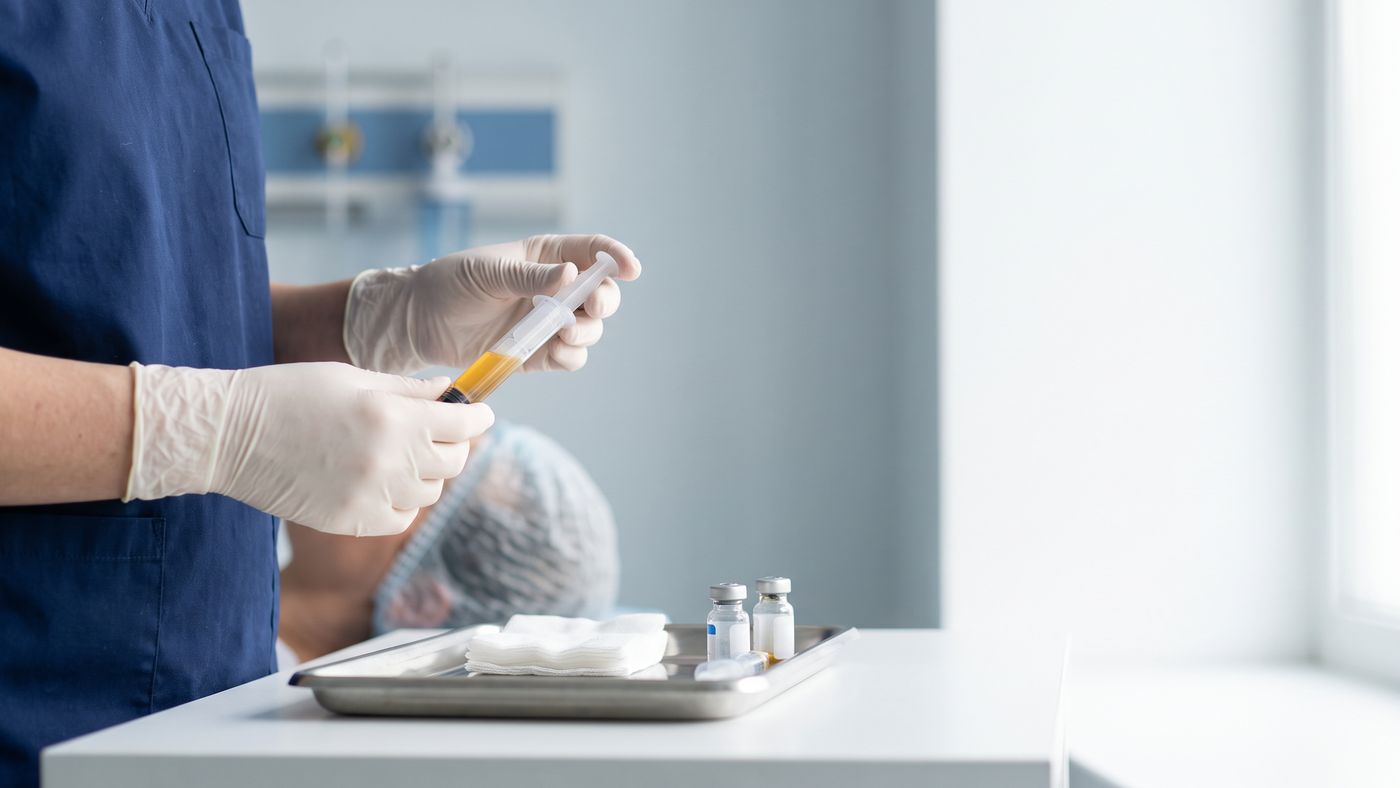
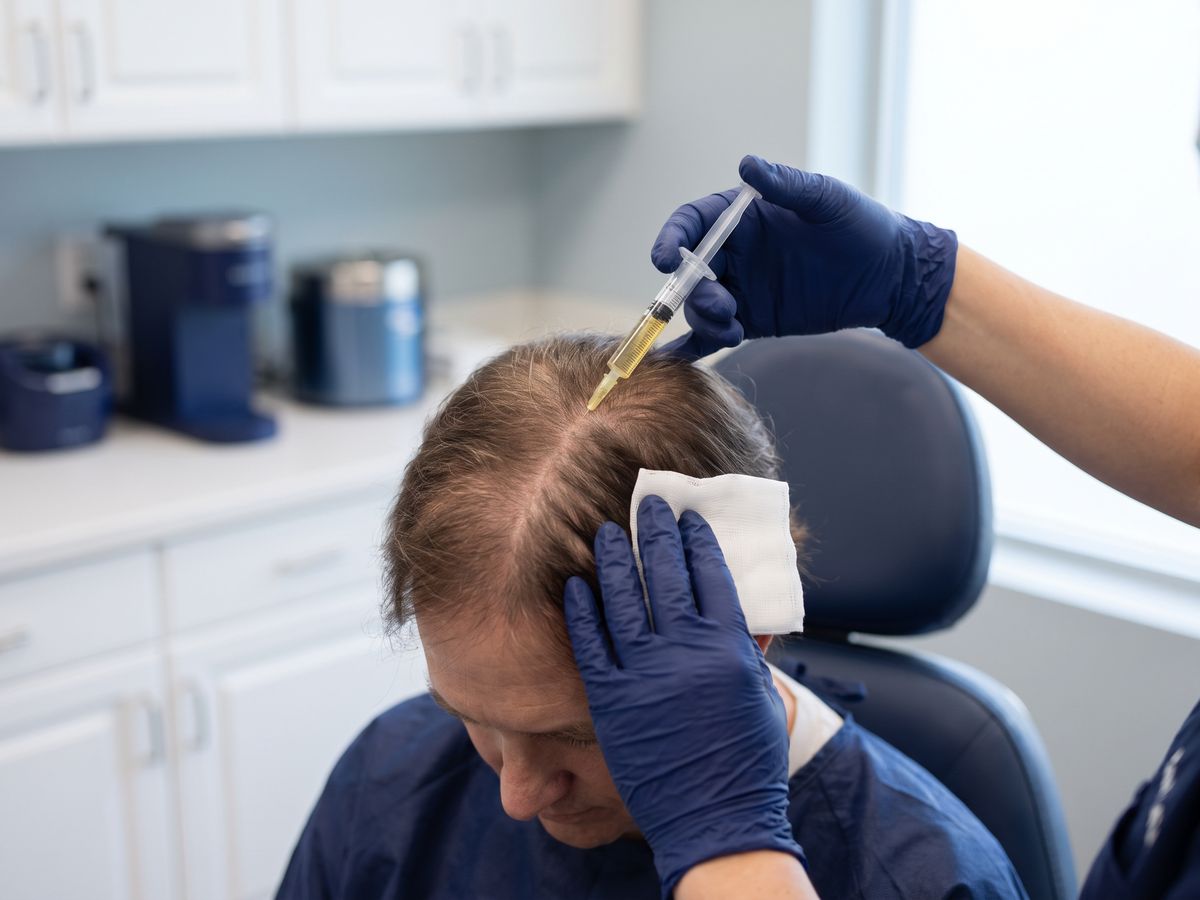
PRP injections 15–25 min
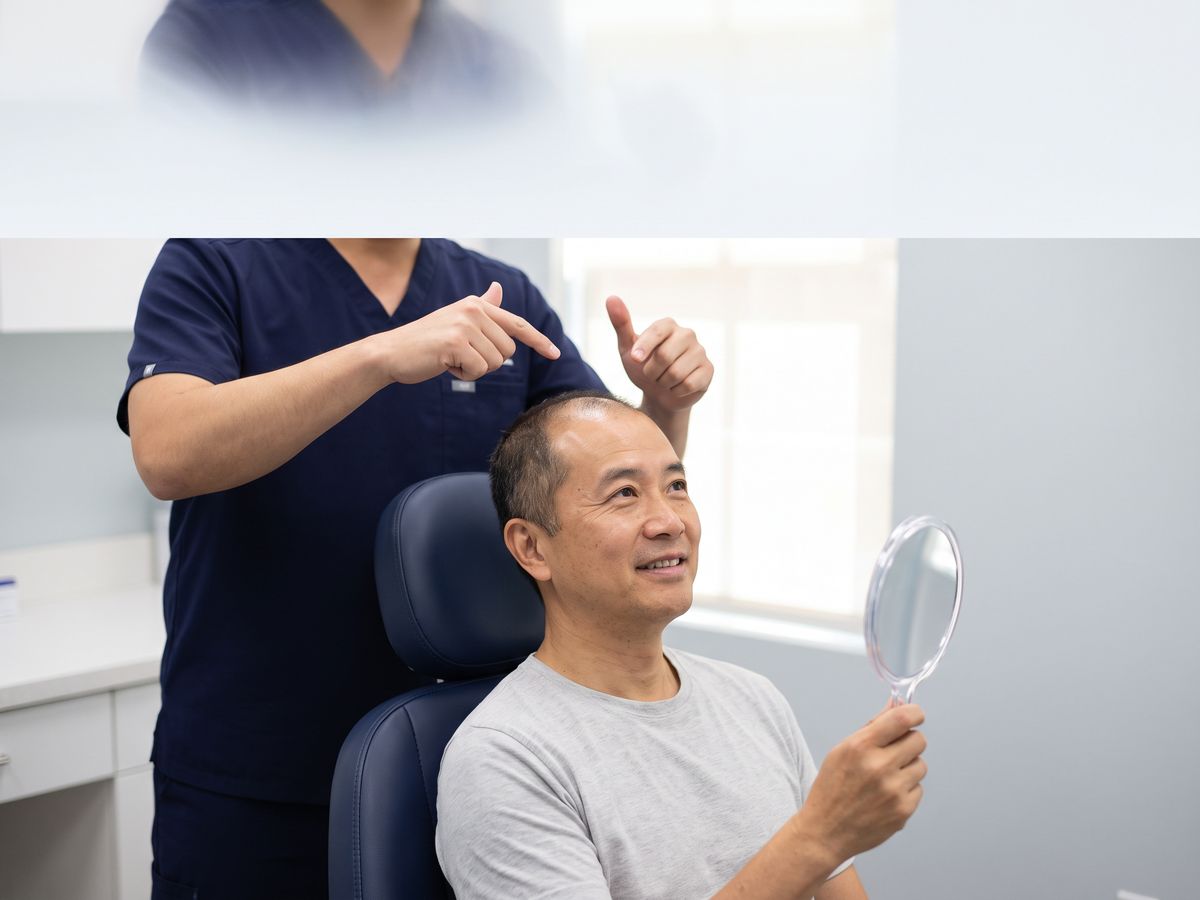
Your physician injects PRP into targeted scalp areas, then reviews same-day care before you leave.
prp-therapy-step-5.jpg · 16:9
Technology
Instruments that make the difference
prp-therapy-tech-1.jpg · 4:3
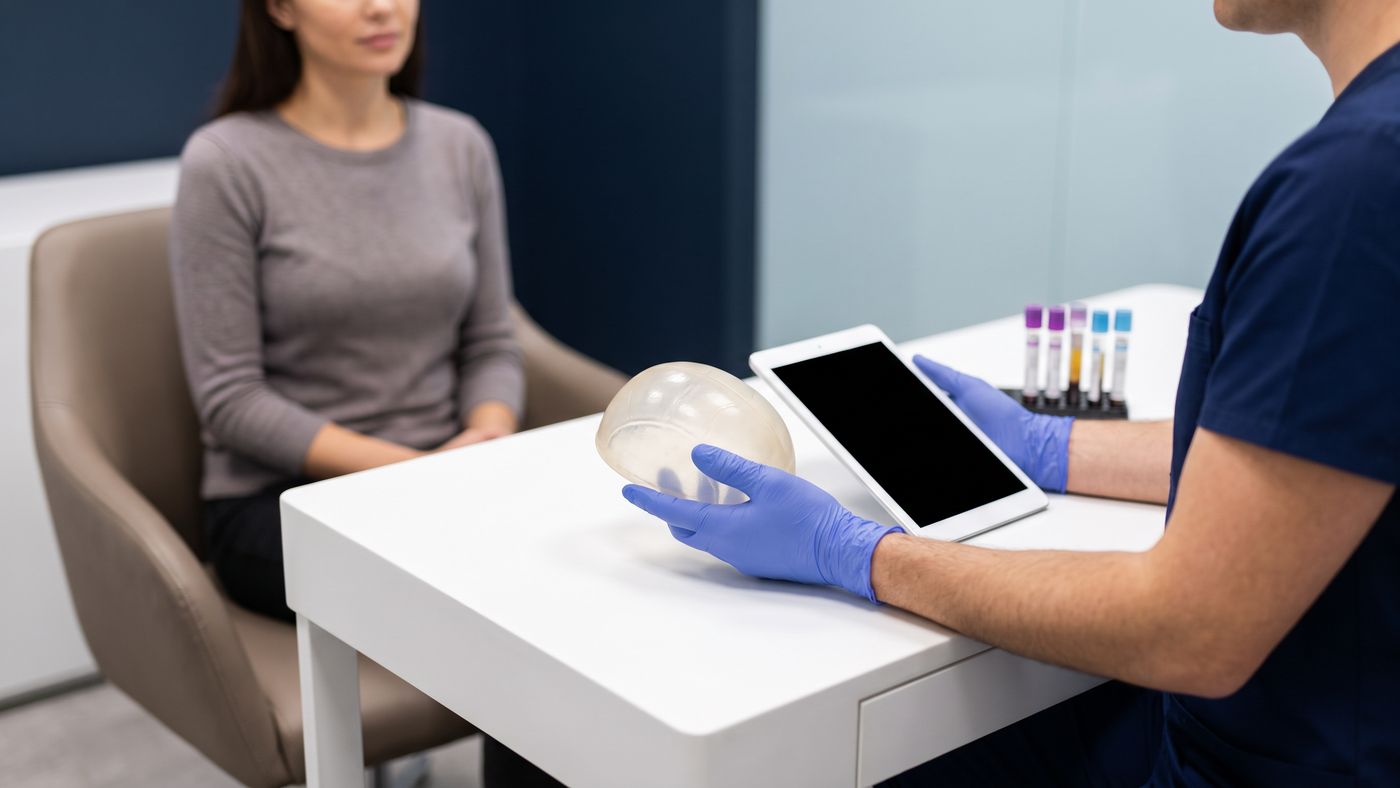
Centrifuge processingSeparates platelet-rich plasma from your blood sample.
prp-therapy-tech-2.jpg · 4:3
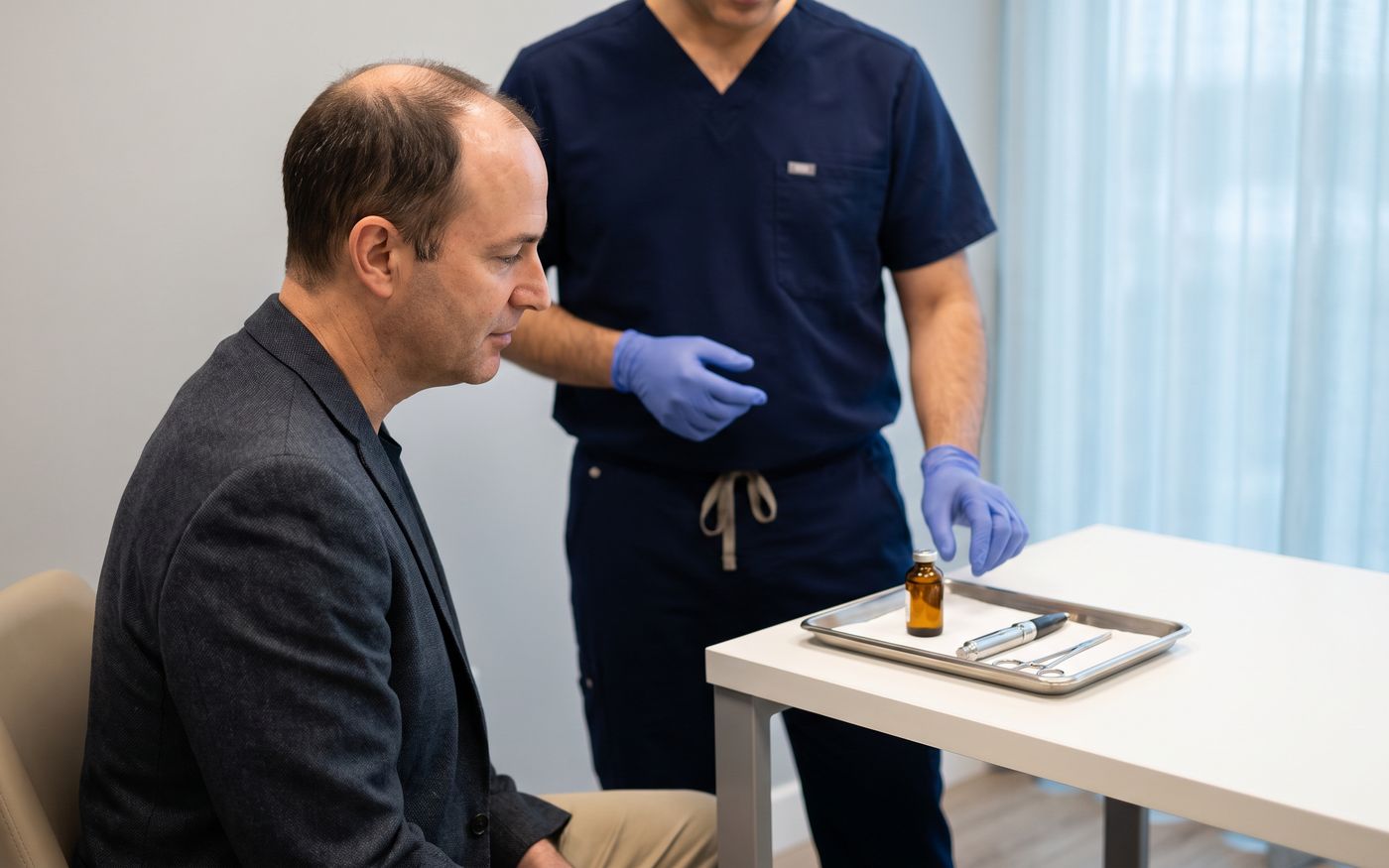
Comfort numbingCooling or local numbing helps reduce scalp sensitivity.
prp-therapy-tech-3.jpg · 4:3
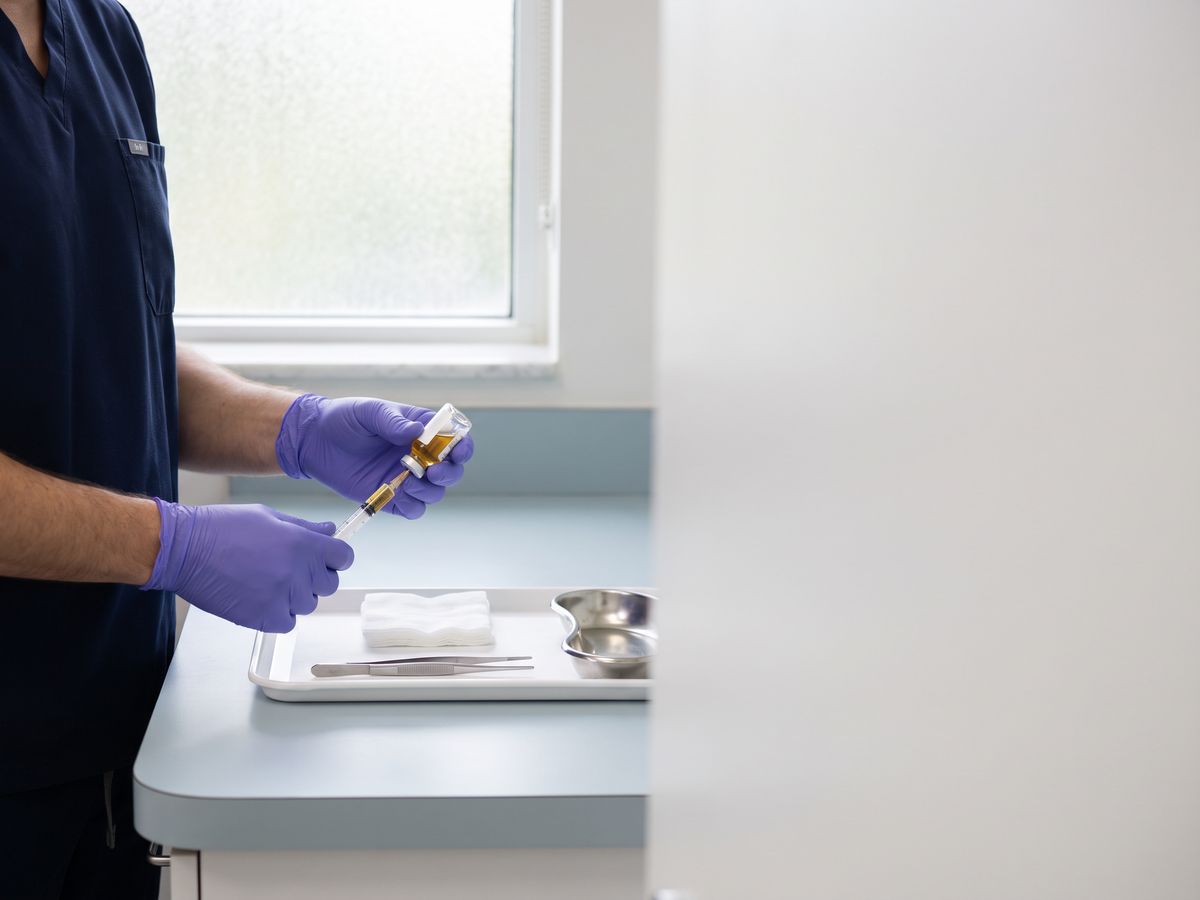
Targeted injectionsPRP is placed into areas with thinning hair.
Consented results only. We publish before-and-after photos only of HAIROCKET patients who give written consent, taken under the same light and angles, without retouching. Our gallery opens with our first consented cases — until then, ask to see results in patients with hair like yours during your free consultation, and read how to judge before-and-after photos.
Recovery timeline
What to expect, month by month
Day 1
Mild tenderness
Scalp may feel tender; normal activities usually resume same day.
Same day
First evening
Simple limits
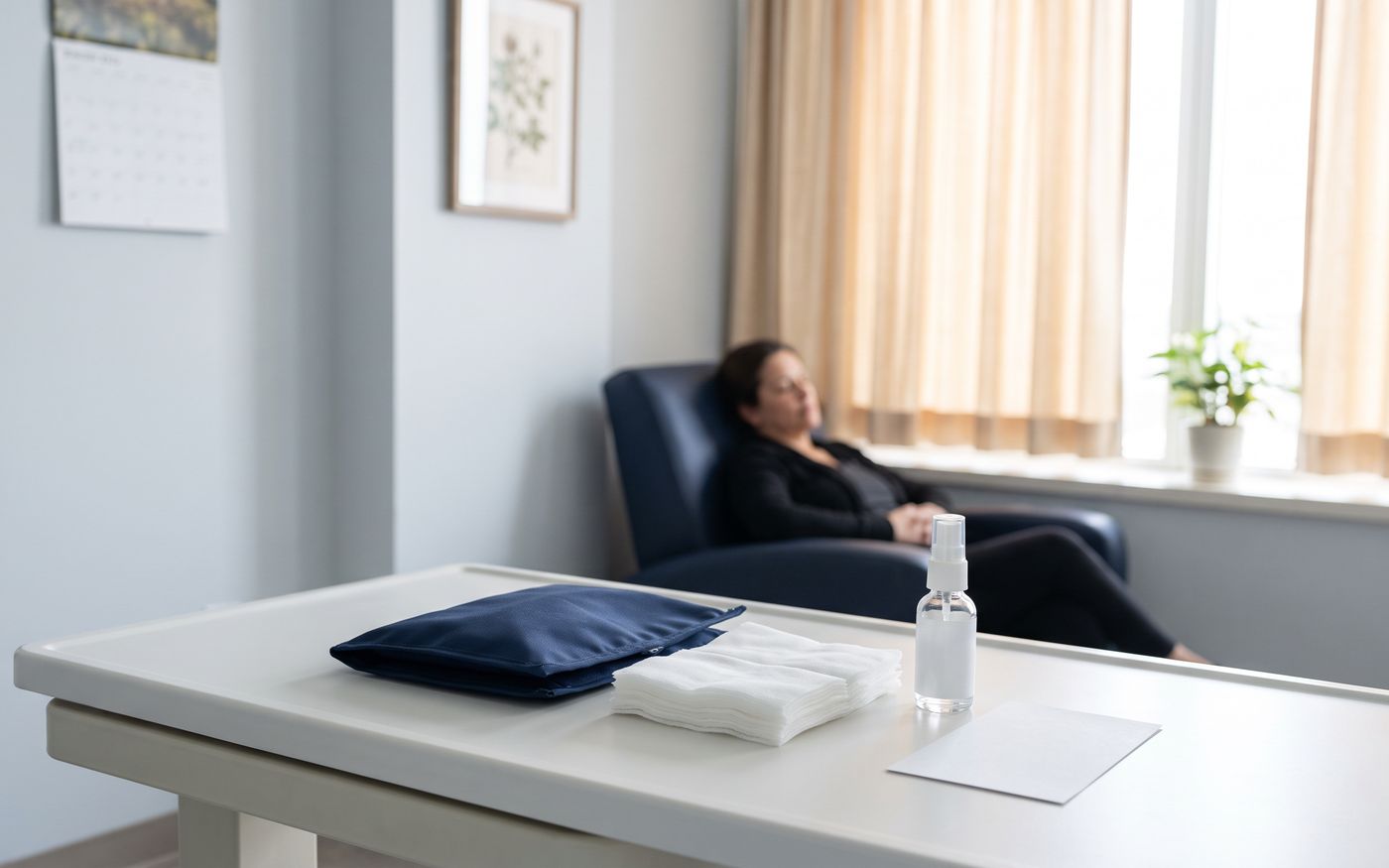
Avoid washing for a few hours and skip heavy exercise that day.
Aftercare
Month 1
Next session
Most plans continue with another monthly PRP treatment as scheduled.
Session 2
Month 2
Ongoing series
Your physician may continue the initial series based on response and goals.
Session 3
Month 3–6
Gradual review
Hair quality changes are assessed over months; results vary by patient.
Assessment
Every 4–6 months
Maintenance care
Maintenance sessions may help sustain support for existing thinning hair.
Maintenance
Safety
Risks, side effects & how we minimize them
Common & temporary
Mild swelling for 2–3 days
Redness and small crusts for 7–10 days
Shock loss in months 1–2
Temporary numbness in the donor area
Rare — call us if you notice
Increasing pain after day 3
Fever or spreading redness
Persistent bleeding
Signs of an allergic reaction
Florida-licensed surgeon on site for every procedure
Sterile, single-use instruments
Full medical history & blood work review
24/7 aftercare line for urgent questions
Performed by
Planned by our Florida-licensed physicians
Physician-planned sessions · Your own platelet-rich plasma
A Florida-licensed physician checks your scalp, sets the number and timing of your PRP sessions and reviews your progress at every follow-up.
Verified reviews only. We publish patient reviews only from verified patients, with their written consent. Until then, judge us by what you can check yourself: our surgeons' Florida licenses, real before-and-after results and a written, all-inclusive quote.
In-depth guide
The complete guide to PRP Therapy
How PRP supports thinning hair
PRP therapy uses platelet-rich plasma made from your own blood. After a small blood draw, the sample is processed in a centrifuge to concentrate platelets in the plasma portion. That plasma is then injected into areas of thinning hair to support follicles that are still present and miniaturizing.
PRP is not a hair transplant. There are no grafts, donor extraction, channel creation or implantation. It is used to support existing hair, and it may be recommended alone, with hair loss medication or alongside a transplant plan at HAIROCKET in Tamarac.
prp-therapy-guide-1.jpg · 16:9
How PRP supports thinning hair
What happens during a session
A typical PRP visit takes about forty-five to sixty minutes. Your physician reviews the treatment areas, draws a small blood sample, processes it in a centrifuge and prepares your scalp with cooling or local numbing before the injections begin.
The injections are placed in targeted thinning areas rather than across the entire scalp without a plan. HAIROCKET’s Turkish-trained, Florida-licensed physicians use PRP as a medical treatment, not a surgical procedure, and will explain aftercare before you leave.
Who may be a candidate
PRP is most often considered for patients with thinning hair that still has active follicles. It may be helpful when hair is miniaturizing, shedding has increased or a patient wants supportive care after a transplant or with a medical hair loss plan.
PRP is not suitable for everyone. It may not be recommended if you have certain blood disorders, an active scalp infection or areas where follicles are no longer present. Your physician will review your history and scalp before recommending treatment.
Recovery and aftercare
Most patients return to normal activities the same day. The scalp may feel tender or sensitive where injections were placed. You should avoid washing the scalp for a few hours and avoid heavy exercise for the rest of the day.
Because PRP does not involve surgery, there is no donor area and no implanted grafts to protect. Still, following aftercare matters. Your physician may give you specific instructions based on your scalp, medications and whether PRP is combined with another treatment.
Results and maintenance
PRP changes are gradual and are typically assessed after several months rather than immediately after one visit. Results vary, and PRP cannot permanently stop hair loss or recreate follicles that are no longer active.
Most plans begin with three to four sessions about a month apart. Maintenance sessions are commonly planned every four to six months, depending on your goals, response and whether PRP is being used with medication or transplant care.
Glossary
Terms you'll hear
Graft
A follicular unit containing 1–4 hairs, moved as one piece.
Donor area
The back and sides of the scalp, where hair is genetically resistant to loss.
Recipient area
The thinning or bald area where grafts are implanted.
Norwood scale
A 7-stage classification of male pattern hair loss.
Ludwig scale
A 3-stage classification of female pattern hair loss.
Shock loss
Temporary shedding of hair after surgery; it regrows.
Graft survival
The percentage of transplanted grafts that grow.
Hairline design
Planning the shape and irregularity of the frontal hairline.
Questions
PRP Therapy FAQ
How many PRP sessions do I need?
Most patients start with three to four monthly PRP sessions, then maintenance every six to twelve months.
Does PRP work for hair loss?
PRP can help strengthen thinning hair in many patients, especially in early stages. Results vary.
Can PRP replace a hair transplant?
PRP can't regrow hair where follicles are gone, but it can protect existing hair and support transplants.
Is PRP therapy surgery?
No. PRP therapy is a non-surgical, percutaneous treatment. It involves a blood draw, centrifuge processing and scalp injections. There are no grafts, donor extraction, channels or implantation.
How long does a PRP session take?
Most PRP sessions take about forty-five to sixty minutes from check-in through aftercare review. The visit includes blood collection, platelet processing, scalp numbing and targeted injections into thinning areas.
How many sessions are usually recommended?
Many PRP plans start with three to four sessions scheduled about a month apart. After the initial series, maintenance sessions are often planned every four to six months, depending on your response and treatment goals.
When will I see changes from PRP?
PRP results are gradual and are usually assessed after several months, not immediately after one session. Some patients notice improved hair quality or less shedding, but results vary and are not permanent.
Can PRP regrow hair in bald areas?
PRP supports existing and miniaturizing follicles. It cannot reliably create hair where follicles are gone. If an area has advanced loss, your physician may discuss transplant options or other medical therapy.
Can PRP be combined with a hair transplant?
Yes. PRP is often used alongside transplant care to support the scalp and existing hair. At HAIROCKET, your physician will explain whether PRP alone, PRP with medication or PRP with transplant planning makes sense.
What should I avoid after PRP?
You can usually return to normal activities the same day. Avoid washing your scalp for a few hours and avoid heavy exercise for the rest of the day unless your physician gives different instructions.
How much does PRP cost at HAIROCKET?
A single PRP session is $750. PRP is also included in the Signature and Elite transplant packages. Your exact plan depends on whether PRP is used alone, as an initial series or alongside other treatments recommended after evaluation.
Turkish hair transplant expertise — now in America.
Turkey became the world's hair transplant capital by performing more procedures, with more refined techniques, than anywhere else. HAIROCKET brings that expertise to South Florida — Turkish-trained surgeons, licensed in Florida, working to U.S. medical standards. Same artistry. No 10-hour flight.