
Short on time? Summarize with AI
Open this article in your favorite AI assistant for an instant summary.
In this article
- Why exercise needs a pause
- Exercise after a hair transplant, week by week
- Sport-by-sport guide
- Days 1 to 10: walk, don't train
- Weeks 2 to 4: light activity only
- A sample return-to-training plan
- From week 4: back to normal training
- Keeping the scalp clean when you train
- Warning signs to stop and call
- Planning surgery around your training
- Mistakes that set recovery back
Why exercise needs a pause
In the first days after surgery, new grafts are held in place only by the healing tissue around them. Anything that raises blood pressure sharply, makes you sweat heavily or risks a knock to the head can dislodge a graft or increase swelling and bleeding. After about ten days the grafts are anchored, and the priority shifts to the scalp: keeping it clean, avoiding infection and not stretching the donor area.
Every patient heals a little differently. The schedule below is typical guidance; the instructions your surgeon gives you always take priority.
Exercise after a hair transplant, week by week
| Activity | Typical timing | Why |
|---|---|---|
| Walking | From day one | Gentle movement helps circulation without strain |
| Light exercise (easy cycling, brisk walks) | From about day 10 | Grafts are anchored; keep effort low and sweat light |
| Running and cardio classes | From about week 4 | Heavy sweating and bouncing are safe once the scalp has healed |
| Weight training | From about week 4 (FUT may be longer) | Straining raises blood pressure and tension on the donor area |
| Swimming, sauna and steam | From about week 4 | Chlorine, salt water and heat are hard on healing skin |
| Contact sports and helmets | Ask your surgeon — often a month or more | A knock or pressure on the grafts must be avoided |
These timings match our recovery timeline and the patient guide you receive before surgery.
Sport-by-sport guide
The general schedule covers most workouts, but some sports carry extra risks because of helmets, head contact, inversions or heat. The timings below are commonly advised starting points for FUE patients, not rules; your surgeon may adjust them for your healing and technique.
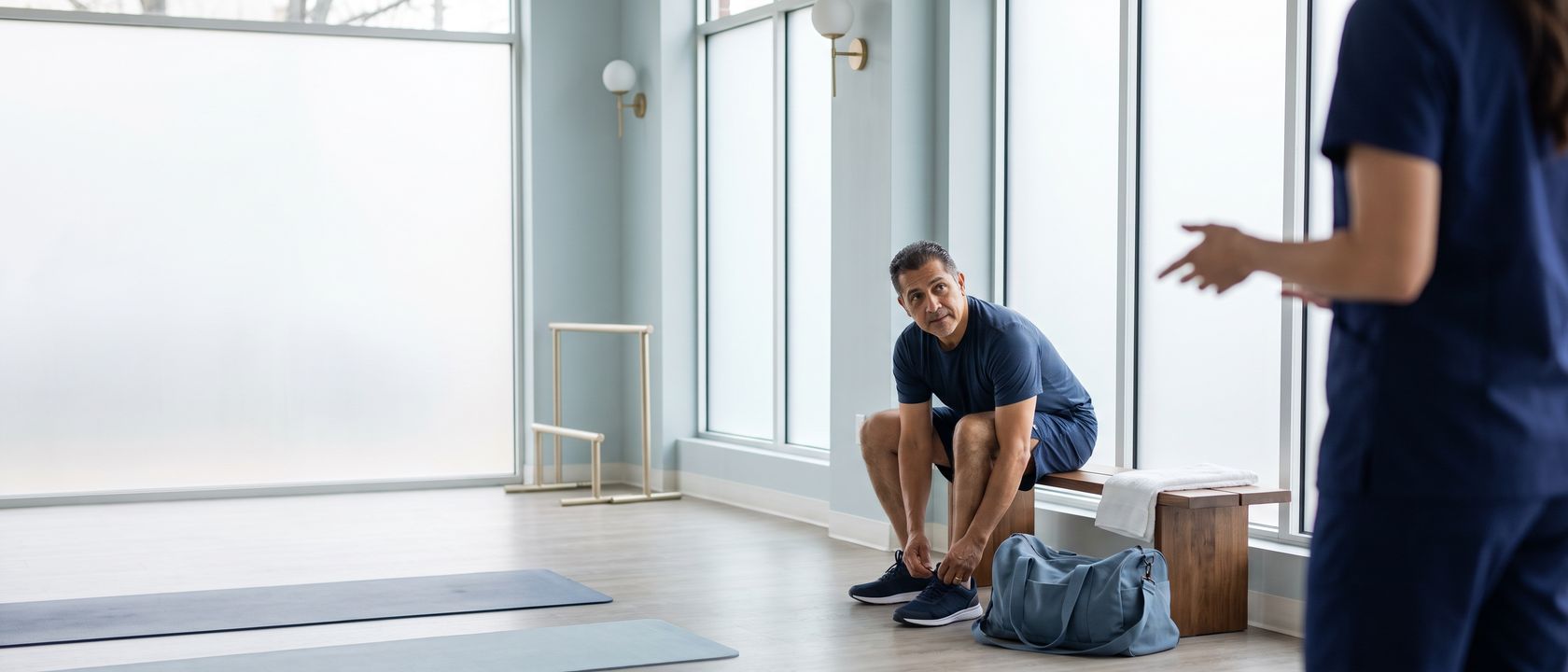
blog-exercise-walking-early-recovery.jpg · 16:9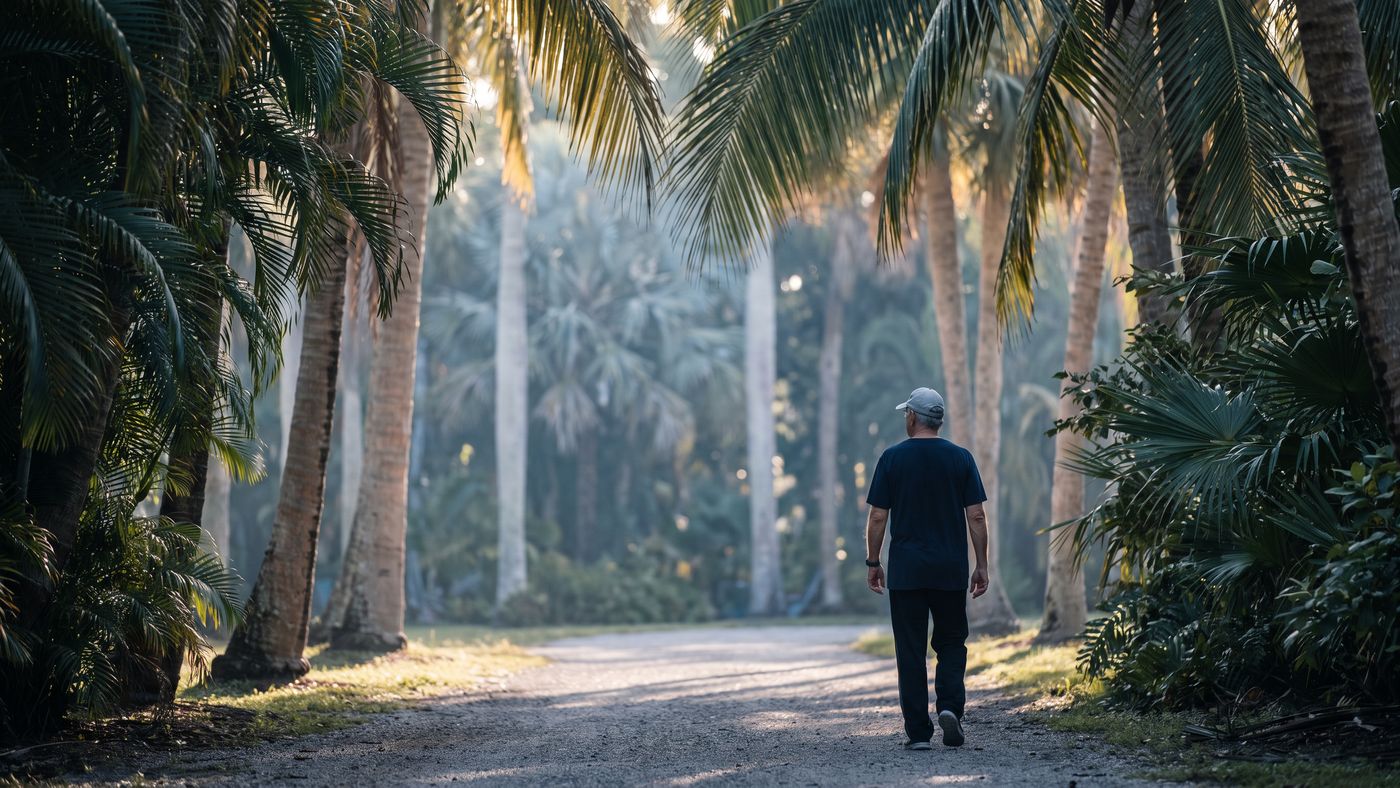
| Sport | Typical return | What to watch |
|---|---|---|
| Road or indoor cycling | Easy indoor rides from about day 10; outdoor riding with a helmet often later | Helmet pressure and friction on the recipient area; ask before wearing one |
| Golf | Often from about week 2 | Sun on the scalp; wear a loose, clean cap |
| Tennis and racket sports | About week 4 | Heavy sweating and sun exposure |
| Yoga and Pilates | Gentle sessions after week 2; inversions later | Headstands, deep forward folds and hot yoga raise pressure and heat |
| Hiking | Easy walks early; demanding hikes after about week 2–4 | Sun, heavy backpacks and bending |
| Martial arts, wrestling, grappling | Often a month or more; ask your surgeon | Direct contact, mat pressure and head friction |
| Team contact sports | Often a month or more; ask your surgeon | Collisions and helmets |
Whatever your sport, the question to ask is the same: could this activity knock, rub or press the grafted area, or make me sweat heavily before the scalp has healed?
Days 1 to 10: walk, don't train
- Short, easy walks are encouraged — they help you feel better and support circulation
- Avoid bending over with your head below your heart, lifting anything heavy and anything that makes you sweat
- Sleep with your head elevated for the first nights to limit forehead swelling
- Keep hats loose and avoid anything that rubs the recipient area
If you knock the grafts or see fresh bleeding that doesn't stop with gentle pressure, contact your care team the same day.
Weeks 2 to 4: light activity only
Once the small crusts have come off, most people can return to light exercise: an easy ride on a stationary bike, a brisk walk or gentle mobility work. Keep the intensity low enough that you are not dripping with sweat, avoid heavy lifting and skip workouts that involve lying with your head on a mat or bench that presses on the grafts. Wash your hair gently after any session, as instructed.
If you had FUT, the stitched donor area needs extra care. Movements that stretch the back of the neck — heavy deadlifts, shrugs, some yoga poses — can widen the scar, so your surgeon may ask you to wait longer before returning to them.
A sample return-to-training plan
Example: a regular gym-goer who lifts four times a week has FUE on a Monday. The plan below is illustrative and conservative; it assumes an uncomplicated recovery and a surgeon who has approved each step.
| Period | Training | Notes |
|---|---|---|
| Days 1–3 | Rest and short indoor walks | Head elevated, no bending or lifting |
| Days 4–9 | Walks of 20–40 minutes at an easy pace | Stay cool; avoid sweating through the scalp |
| Days 10–14 | Easy stationary bike, light mobility work | Low effort; wash gently afterwards as instructed |
| Weeks 3–4 | Light machine work at low loads, no straining | No bench positions that press the head; avoid holding your breath |
| Weeks 5–6 | Free weights at moderate loads, running | Build up gradually over one to two weeks |
| From week 6 | Normal program, if healing is on track | Keep sun protection outdoors |
The detail that matters most is breathing. Heavy lifts done while holding the breath sharply raise pressure in the head. In the early weeks, keep loads light enough that you can breathe steadily through every repetition.
If you had strip surgery, the plan for neck and back exercises is usually slower; see the note on FUT above and follow your surgeon's plan.
From week 4: back to normal training
By about four weeks, most patients return to running, the gym, swimming and saunas. Build back up over a week or two rather than jumping straight to your heaviest sessions. Shedding of the transplanted hairs usually happens around this time; it is expected and is not caused by exercise — read more about shock loss.
Outdoor training needs sun protection for several months: wear a cap or use a sunscreen your surgeon approves once the scalp has healed, because sunburn on the recipient area can affect healing and skin color.
Keeping the scalp clean when you train
Once you are back in the gym, most of the remaining risk comes from sweat, friction and shared equipment rather than the effort itself.
blog-exercise-gym-towel-hygiene.jpg · 16:9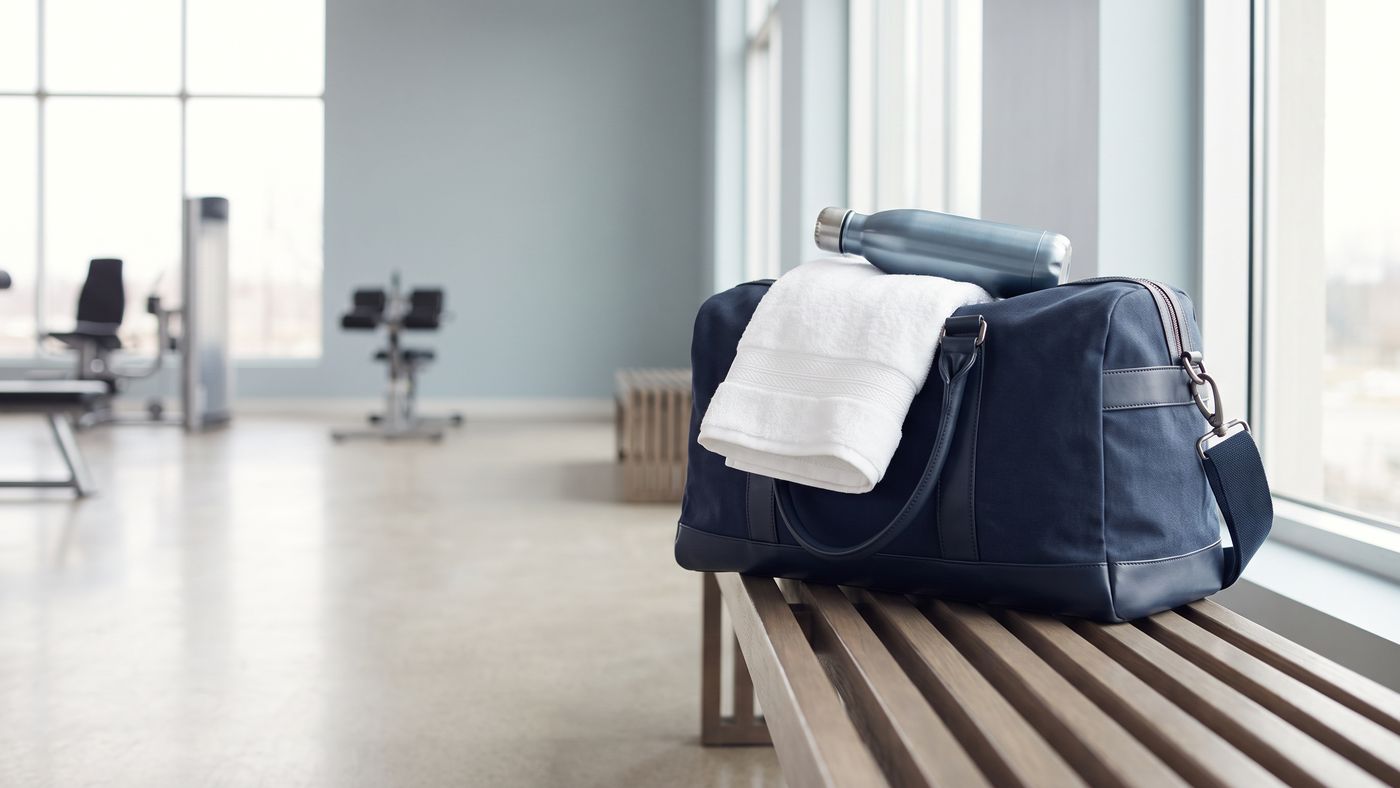
Before and during a session
- Train in a cool, well-ventilated space in the first weeks back and skip heated classes
- Use your own clean towel and avoid resting your head on shared benches or mats
- If you wear a cap, choose a loose, clean one and avoid tight headbands across the hairline
- Stay hydrated; overheating makes you sweat more
After a session
- Rinse or wash the scalp gently, as your aftercare instructions describe, rather than leaving sweat to dry
- Pat dry; do not rub the recipient area with a towel
- Avoid hot showers aimed directly at the grafts in the early weeks
The aftercare shampoo and lotion sets included in some HAIROCKET packages are designed for this stage; your patient guide explains how to use them.
Warning signs to stop and call
Some tenderness, mild itching and redness are part of normal healing. The signs below are not, and they are a reason to stop training and contact your care team rather than wait for the next scheduled check.
- Bleeding from the recipient or donor area that does not stop with gentle pressure
- A graft that has come out with a small spot of blood at its base
- Swelling that gets worse after the first few days instead of better
- Increasing pain, warmth or spreading redness
- Yellow discharge, pus or a bad smell from the scalp
- Fever or feeling generally unwell
- Pain, gaping or unusual tension along an FUT incision
When in doubt, send a clear photo to your care team the same day. It is much easier to deal with a small problem early.
If a graft does come out, stay calm: one lost graft makes little difference to the overall result, but your care team will want to check the area and advise whether to pause training for longer.
Planning surgery around your training
- Book your procedure at the start of an off-season, a holiday or a planned rest period
- Tell your surgeon about your sport — especially contact sports, swimming or heavy lifting
- Ask whether FUE or FUT suits your training: FUE usually allows a quicker return — see FUE vs FUT
- Plan a lighter month of training rather than a full stop: walking and easy cardio keep your routine going
At HAIROCKET, your written plan includes activity guidance for your technique and your sport. Start with a free photo analysis and mention how you train.
Mistakes that set recovery back
The patients who have trouble with exercise after a hair transplant are rarely the ones who train too little. The usual problems come from doing too much because they feel fine.
- Going back on day five because nothing hurts. Feeling well is not the same as anchored grafts; the first ten days matter most.
- Jumping straight to maximum loads. Straining and breath-holding in the first month raise pressure in the scalp and, after FUT, tension on the scar.
- Hot yoga, saunas and steam too early. Heat and heavy sweating irritate healing skin and increase the risk of infection.
- Wearing a helmet or tight cap without asking. Pressure and rubbing on the recipient area can disturb grafts.
- Inversions and headstands. Poses that put the head below the heart or weight on the head should wait for clearance.
- Skipping the post-workout wash. Dried sweat and bacteria sitting on the scalp slow healing.
- Training outdoors without sun protection. New skin burns easily in the first months.
Your written plan from your surgeon always takes precedence over general guidance like this. If your sport is not covered, ask before you return to it. You can mention your training when you request a free photo analysis.
Frequently asked questions
When can I go to the gym after a hair transplant?
Light exercise usually resumes after about ten days; full workouts, running and weights after about four weeks. Follow your surgeon's instructions.
Can sweating damage new grafts?
Heavy sweating in the first ten days can irritate the scalp and increase the risk of infection. After the grafts are anchored, sweat is not harmful, but keep the scalp clean.
When can I swim after a hair transplant?
Pools, the sea, saunas and steam rooms usually wait about four weeks, until the scalp has fully healed.
Can I lift weights after FUT?
Heavy lifting and exercises that stretch the back of the neck may need a longer pause after FUT to protect the donor scar. Ask your surgeon.
Does exercise cause hair to shed after a transplant?
No. Shedding of transplanted hairs in the first weeks is a normal stage of recovery and is not caused by exercise.

HAIROCKET editorial team
Written in South Florida from the questions patients ask most in consultations, and updated when techniques, prices or guidelines change. Read our editorial policy.